If you ever sit inside a preschool classroom for even ten minutes, you will understand why craft activities for preschoolers matter so much. Not because of the result pinned on the wall, but because of what happens while children are making it.
A child pauses before choosing a colour. Another presses the glue too hard and looks surprised. Someone asks for help. Someone else insists they can do it alone. These moments are small, but they are full of learning.
At Little Scholar, this is exactly how we look at craft activities for preschoolers. Not as artwork, but as quiet growth happening in real time.
Why Craft Feels Right for This Age
Preschoolers are not meant to sit and listen for long. They are meant to move, touch, test, and try again. That is why craft activities for preschoolers feel so natural. There is no pressure to be right. There is only curiosity.
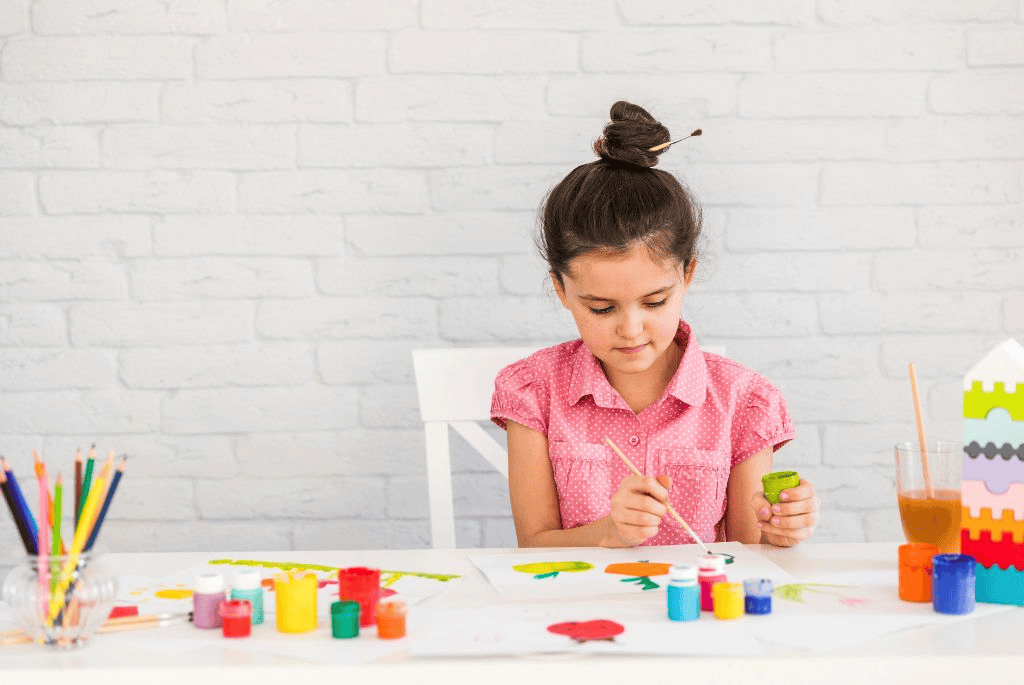
When children are allowed to experiment and play with paper, colours, and simple materials, something shifts. They slow down. They focus. They forget that adults are watching.
Teachers at Little Scholar often notice that children who speak very little during circle time express themselves freely during craft. For some children, this is where confidence quietly begins.
What Craft Looks Like at Little Scholar
One thing parents notice quickly is that craft activities for preschoolers at Little Scholar do not follow a fixed template. There is no “everyone’s sun must look the same” rule. Instead, teachers observe and support.
During craft time, you might see:
- One child working carefully for a long time
- Another finishing quickly and starting again
- Someone changing their mind halfway
- Someone asking questions instead of following steps
All of this is allowed. All of this is learning.
This approach makes craft activities for preschoolers feel safe rather than demanding.
Also Read: Early Childhood Education: Giving Young Minds the Start They Deserve
Learning That Happens Without Teaching
Parents often ask what children actually learn from craft activities for preschoolers. The answer is obvious, but it is powerful.
Children slowly develop:
- Control over their fingers and hands
- The ability to stay with one task
- Comfort in making choices
- The habit of trying again when something does not work
These skills support writing, reading, and classroom readiness later on, without being forced too early.
Simple Materials, Real Engagement
At Little Scholar, craft activities for preschoolers rarely depend on expensive supplies. Teachers use what is familiar and easy for children to relate to.
Common materials include:
- Scrap paper and old magazines
- Leaves, twigs, cotton, and seeds
- Cardboard boxes and paper rolls
- Crayons, paints, glue, and tape
Children learn that creativity does not come from buying things. It comes from using what is around them.
Keeping Craft Simple on Purpose
Preschoolers have short attention spans, and that is okay. That is why craft activities for preschoolers are kept short and flexible. A handprint, a paper collage, or tearing and pasting shapes is often enough. This kind of activity is an easy craft activity for preschoolers because it allows success without frustration.
At Little Scholar, craft often connects to what children are already talking about. A story read in class. A festival coming up. A colour being explored that week. This makes the activity feel meaningful instead of random.
Craft and Emotions
Sometimes children show their feelings through craft before they can explain them. Craft activities for preschoolers give space for that expression. A child might work quietly one day and talk endlessly the next. Another might use the same colour again and again. Teachers notice, but do not interrupt.
This gentle observation helps children feel accepted. Over time, they learn that their feelings are allowed.
Learning to Be Around Others
Craft time is social, even when children are focused. During craft activities for preschoolers, they naturally interact.
They learn to:
- Wait for glue or scissors
- Share space at the table
- Respect someone else’s work
At Little Scholar, teachers encourage small conversations without forcing them. These moments build comfort in group settings.
Craft as Part of the Day
Children feel safer when the day has rhythm. Craft activities for preschoolers are part of a predictable routine at Little Scholar. When children know that creative time comes after stories or before lunch, they settle more easily. They know what to expect. This sense of routine helps children focus and feel calm.
What Teachers Actually Do During Craft
During craft activities for preschoolers, teachers at Little Scholar are quietly present. They do not hover, but they do not disappear either.
They:
- Step in when frustration appears
- Step back when confidence grows
- Encourage effort, not neatness
This balance is important. It tells children that support is available, but independence is respected.
Bringing Craft Home Without Pressure
Parents often worry about doing crafts “correctly” at home. There is no correct way. Craft activities for preschoolers at home should feel relaxed.
A few helpful ideas:
- Keep materials simple
- Let children decide what they want to make
- Avoid fixing their work
- Ask them to talk about it instead
Trying an easy craft activity for preschoolers at home can be a quiet way to connect without screens or instructions.
Why Craft Matters Beyond Preschool
In the early years, learning should feel gentle. Craft activities for preschoolers support that idea perfectly. They teach patience, focus, expression, and self-trust without lectures or tests. At Little Scholar, craft is not treated as a filler activity. It is part of how children slowly learn who they are.
Final Thought
Children may not remember the exact craft they made, but they remember how it felt to be trusted. Through thoughtful craft activities for preschoolers, Little Scholar creates moments where children feel capable, calm, and proud. Those feelings stay long after the glue dries.