
Best Short Poems for Kids That Are Easy to Understand

Finding the right poems for children can feel tricky. You want something simple, fun, and meaningful, but not too long or complicated. That’s why short easy poems for kids are such a great choice. They help children enjoy reading, improve memory, and even build confidence in speaking.
In this article, you’ll discover some of the best short poems for kids that are easy to understand, along with tips on how to use them for learning and fun.
Why Short Poems Work Best for Kids
Children have short attention spans, especially younger ones. Long poems with complex words can quickly become boring or confusing. On the other hand, easy poems for kids are:
- Simple to read and understand
- Fun to memorize
- Great for improving vocabulary
- Perfect for school recitation
Short poems also create a sense of achievement. When a child can read or recite a poem on their own, it builds confidence and encourages them to explore more.
1. My Little Cat
My little cat is soft and small,
She loves to chase a bouncing ball.
She purrs at night and sleeps all day,
Then wakes up just to run and play.
This poem is perfect for beginners. It uses everyday words and a familiar theme, pets. Children easily connect with it.
2. The Bright Sun
The sun shines bright up in the sky,
It warms the earth and helps seeds grow high.
It wakes us up with golden light,
And says goodbye when day turns night.
Nature poems are always a great choice. They help kids understand the world around them while keeping things simple and engaging.
3. Tiny Raindrops
Tiny raindrops fall so fast,
Tap on windows as they pass.
Puddles form on roads and ground,
Splashing feet make funny sounds.
This is one of those short easy poems for kids that feels playful and lively. It’s great for teaching rhythm and sound.
4. My Happy Day
I wake up with a smile so wide,
Brush my teeth and step outside.
I laugh and learn and jump and play,
That’s how I spend my happy day.
Poems about daily routines help children relate instantly. They also make great practice for early reading.
5. The Little Bird
A little bird sits on a tree,
Singing songs so sweet and free.
It flaps its wings and flies away,
To greet the bright and sunny day.
This poem introduces simple imagery. Kids can easily picture the scene, which helps with understanding and imagination.
6. Twinkling Stars
Stars shine bright in the night sky,
Like tiny diamonds way up high.
They sparkle softly, calm and slow,
Lighting the world with a gentle glow.
Short poems like this are soothing and perfect for bedtime reading.
Also Read: Indoor Activities for Kids: 10 Fun and Creative Ideas to Keep Your Child Busy at Home
Tips to Make Poems More Fun for Kids
Even the best poems become more enjoyable when you make them interactive. Here are some simple ideas:
1. Add Actions
Encourage kids to act out the poem. For example, flap arms like a bird or pretend to splash in puddles.
2. Use Repetition
Read the poem multiple times. Kids love repetition—it helps them remember and understand better.
3. Ask Questions
After reading, ask simple questions like:
- What did the cat do?
- Where was the bird sitting?
This improves comprehension.
4. Let Them Recite
Give children a chance to recite the poem. It boosts confidence and speaking skills.
How to Choose the Right Poems
Not all poems work for every child. When selecting easy poems for kids, keep these points in mind:
- Age-appropriate language: Avoid difficult words
- Short length: 4-8 lines work best
- Relatable themes: Animals, nature, daily life
- Rhyming structure: Makes it easier to remember
If a poem makes a child smile or laugh, you’ve picked the right one.
Benefits of Reading Poems to Kids
Introducing short easy poems for kids early has long-term benefits:
- Improves reading skills
- Builds vocabulary
- Enhances creativity
- Strengthens memory
- Encourages self-expression
Poetry also helps children develop a love for language. It’s not just about learning, it’s about enjoying words.
Final Thoughts
Short poems are more than just fun verses, they are powerful learning tools. The best ones are simple, relatable, and easy to understand. Whether it’s about a playful cat, falling rain, or shining stars, these poems create joy while helping kids grow.
Start with a few poems, read them together, and make it a daily habit. Over time, you’ll notice your child becoming more confident, expressive, and curious.
And that’s the magic of easy poems for kids, they make learning feel like play.
- Published in Networking
Indoor Activities for Kids: 10 Fun and Creative Ideas to Keep Your Child Busy at Home
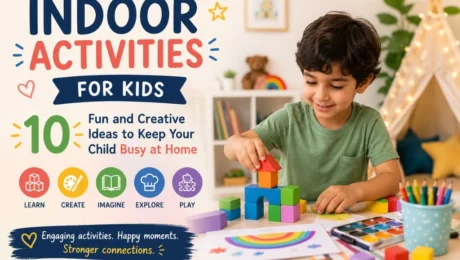
Every parent knows the feeling. It is a rainy afternoon, your child is bursting with energy, and there is absolutely nothing to do outside. The television has been on for the third hour in a row, and you are quietly wondering if there is a better way to spend this time together.
There is.
Indoor activities for kids are one of the best ways to keep children engaged, creative, and genuinely happy without ever needing to step outside the front door. The best part is that most of these activities do not require expensive toys or fancy supplies. All they really need is a little imagination, some basic household items, and a willing parent or caregiver by their side.
At Little Scholar, the best playschool in Noida, we believe that learning never stops at the school gate. Some of the richest development in a child’s life happens at home, during quiet, unstructured time, when children are free to explore at their own pace, create without judgment, and simply play.
In this blog, we are sharing 10 wonderful indoor activities for fun kids, easy to set up, and genuinely good for your child’s overall growth and happiness.
Why Indoor Activities Matter for Your Child’s Development
Before we dive into the ideas, it is worth taking a moment to understand why purposeful indoor play is so valuable for young children.
When children engage in thoughtful indoor activities, they are not just passing the time. Every time a child builds a tower, paints a picture, or acts out a story, something important is happening. They are building focus, developing fine motor skills, learning to solve small problems, and stretching their imagination in ways that screens simply cannot offer. They are also learning to manage their emotions, whether that is the frustration of a fallen block tower or the joy of finding the last puzzle piece.
Screen time has its place, but it cannot replace the deep, engaged play that comes from building something real or figuring out a challenge on their own. Indoor activities for kids fill that space beautifully, especially on the many days when going outside is simply not possible.
10 Fun Indoor Activities for Kids to Try at Home
1. Building with Blocks or Household Items
Give your child a pile of wooden blocks, plastic cups, or even old cardboard boxes and watch what happens. Children have a natural drive to build, stack, balance, and knock things down. This simple activity simultaneously develops spatial awareness, logical thinking, and hand-eye coordination. Just sit nearby, show genuine interest, and let their imagination take the lead.
2. DIY Painting and Craft Time
Lay down an old newspaper, hand your child some paints and paper, and step back. Painting is one of those indoor activities for kids that works at almost every age. Toddlers love the sensory pleasure of spreading color. Older children create scenes and characters through their artwork. You can also try finger painting or vegetable stamping with cut potatoes. Do not worry about the mess. It washes off, and the joy is completely worth it.
3. Indoor Treasure Hunts
Hide small objects or little notes around the house and create a simple treasure hunt for your child. Make it as easy or as challenging as their age allows. For younger children, use picture clues. For older ones, write short riddles or directions. Treasure hunts encourage reading, logical thinking, and physical movement, all while keeping children completely absorbed. The look on their face when they find the final treasure is unforgettable.
4. Storytelling and Puppet Shows
Use old socks or paper bags to make simple puppets and let your child put on a show. Start a story and invite them to continue it, or give them a few characters and see where their imagination goes. Storytelling is one of the most powerful indoor activities for kids because it builds language skills, emotional intelligence, and confidence simultaneously. Children who practise telling stories regularly become better speakers and creative thinkers as they grow.
5. Cooking and Baking Together
Invite your child into the kitchen to help with age-appropriate tasks. Younger children can wash vegetables or stir batter. Older children can measure ingredients or roll dough. Cooking together teaches sequencing, cause and effect, and basic maths through measuring. More than that, it gives children a genuine sense of pride when they sit down to eat something they helped make.
6. Indoor Obstacle Courses
Use cushions, pillows, chairs, and strips of tape on the floor to build a simple obstacle course in your living room. Children can crawl under tables, jump over cushions, and balance along a taped line. Physical movement matters indoors just as much as outside. This kind of active play burns energy, improves coordination, and leaves children in a noticeably better mood. Time them and let them try to beat their own score.
7. Puzzles and Board Games
A good puzzle or board game is a classic for a reason. Puzzles build patience, concentration, and spatial thinking. Board games teach children to take turns, follow rules, win gracefully, and handle disappointment. Keep a small collection at home and bring them out on slow afternoons. Even simple games like Snakes and Ladders create real moments of laughter and family togetherness.
8. Reading Aloud Together
Pick a book your child loves and read it aloud together. Use different voices, pause at exciting moments, and encourage your child to guess what happens next. Reading aloud builds vocabulary, sharpens listening skills, and plants a love of stories that grows with the child for life. Even five minutes of reading together each day adds up to something truly meaningful over time.
9. Sensory Play with Everyday Materials
Fill a tray or large bowl with dry rice, sand, water, or dried lentils, and give your child small cups, spoons, funnels, and containers to explore with. Sensory play is deeply calming and absorbing for young children. It helps them explore different textures, practise concentration, and process the world around them through touch.
You can also make simple homemade playdough using flour, salt, water, and a little food coloring. Children can spend a surprisingly long time rolling, cutting, and shaping it into food, animals, faces, or anything their imagination produces.
10. Drawing and Writing Journals
Give your child a plain notebook and call it their very own journal. Younger children can draw pictures of their day, their family, or their favorite animals. Older children can write a few sentences about how they felt, what made them laugh, or what they are looking forward to.
Journaling builds self-expression, reflection, and a comfortable relationship with one’s own thoughts and feelings. It also gently develops writing habits without pressure. Looking back at old entries months later becomes one of the most entertaining and touching things a child and parent can do together.
Read More: Thought of the Day for Kids: Simple Words That Shape Big Futures
A Few Tips to Make Indoor Activities Even Better
Keep things simple. You do not need to plan elaborate setups or spend money on new supplies. The simpler the starting point, the more freely a child can shape the activity in their own direction.
Follow your child’s lead. If they lose interest and want to move on, let them. Children learn best when they are genuinely engaged, not when they feel pressured to continue something that has stopped being enjoyable.
Play alongside them. Even ten minutes of getting down on the floor and actually playing with your child changes the energy of the whole afternoon. Your presence is more valuable than any activity you could set up.
Rotate what you offer. Keep a loose mental list of indoor activities your child enjoys, and cycle through them so nothing feels repetitive. An activity that was ignored two weeks ago can suddenly feel exciting and fresh when it comes back around.
- Published in Networking
Moral Stories for Kids: Why Every Child Needs Them and 5 Timeless Tales to Tell Tonight

Every great adult was once a curious little child, sitting wide-eyed, listening to a story. Long before classrooms, textbooks, and school curriculam, stories were how families passed on their deepest wisdom from one generation to the next. Today, in a world full of screens and short attention spans, moral stories for kids are more important than ever.
At Little Scholar, the best playschool in Noida, we believe that character building begins not with rules and punishments but with stories. When a child hears about a greedy dog who loses his bone or a tortoise who never gives up, a quiet seed of wisdom is planted inside them. That seed grows slowly, but it lasts a lifetime.
In this blog, we will explore why moral stories for kids are so important for early childhood development and share five powerful, timeless tales you can tell your child tonight.
Why Moral Stories for Kids Matter More Than You Think
Before your child can read, reason, or debate, they feel. Stories speak directly to that emotional world. Here is what both research and real classroom experience tell us about the power of stories.
1. They Build Empathy in the Most Natural Way
When children follow a character through struggle and triumph, they experience emotions from someone else’s point of view. A child who hears about a lonely elephant finally accepted by his herd learns empathy without ever being lectured about it. The story does all the work quietly and gently.
2. They Teach Consequences Without Any Punishment
In moral stories for kids, the story itself teaches the lesson. The child sees what happens when someone lies, acts greedily, or gives up too soon. There is no scolding involved. The child simply watches the character face the natural result of their choices and understands it on their own.
3. They Improve Language and Communication Skills
Storytelling introduces new vocabulary, sentence patterns, and ideas in a way that feels completely natural to a young child. At Little Scholar, our educators use stories as a bridge between language development and emotional learning. Children pick up words and expressions without even realizing they are learning.
4. They Create a Beautiful Family Ritual
Bedtime stories are one of the most powerful bonding routines a parent and child can share. Those quiet ten minutes every evening create a sense of safety and connection that shapes a child’s emotional health for years to come. It is one of the simplest and most meaningful things you can do as a parent.
5. They Stay With Children Forever
Ask any adult what they remember most from their childhood, and chances are it is a story. Not a worksheet. Not a test. A story. That is the magic of moral stories for kids. They become a permanent part of a child’s inner compass, guiding their decisions long after they have grown up.
5 Timeless Short Moral Stories for Kids With Lessons
Here are five beautifully simple tales that are perfect to read or narrate at bedtime, during lunch, or even in the car on the way to school.
Story 1: The Tortoise and the Hare
Once upon a time, a fast hare challenged a slow tortoise to a race. The hare laughed loudly and sprinted far ahead. Feeling confident, he decided to take a nap under a shady tree. The tortoise never stopped walking. Step by step, slowly and steadily, he crossed the finish line while the hare was still snoring away.
Moral: Slow and steady wins the race. Consistency and effort will always beat talent that is too lazy to show up.
Why kids love it: The underdog wins! Children naturally root for the tortoise, and it teaches them to never give up on themselves, even when others seem ahead.
Story 2: The Boy Who Cried Wolf
A shepherd boy, bored on the hillside, shouted “Wolf! Wolf!” just to trick the villagers into running up the hill. They came rushing, found no wolf, and walked back feeling angry. The boy laughed and did it again the next day. When a real wolf finally appeared, and the boy screamed for help, nobody believed him. Nobody came. He had lost his flock and, more importantly, the trust of everyone around him.
Moral: Honesty is not just a good habit. It is something people depend on. Once trust is broken, it is very hard to rebuild.
Why kids love it: The dramatic ending makes this one stick in a child’s memory. They understand the real cost of lying without needing any explanation from a parent.
Story 3: The Lion and the Mouse
A tiny mouse accidentally woke a sleeping lion. The lion caught him and was ready to eat him. The mouse begged for mercy and promised to return the favor someday. The lion laughed because what could a tiny mouse ever do for the king of the jungle? He let him go. Days later, the lion was trapped in a hunter’s net and roaring in frustration. Who quietly gnawed through the ropes and freed him? The little mouse.
Moral: Never underestimate anyone. Kindness always comes back to you, often in ways you never expected.
Why kids love it: It flips the power dynamic most satisfyingly. It teaches kindness and humility without a single heavy-handed sentence.
Story 4: The Giving Tree
A young boy loved a tree with all his heart. The tree gave him everything: shade to rest in, apples to eat, branches to build with, and he found deep joy in giving. As the boy grew older and kept asking for more, the tree kept giving until only a stump remained. One day, the older man returned, tired and needing only a quiet place to sit. The stump was enough. The tree was happy.
Moral: True love means giving without expecting anything back. Gratitude is the greatest gift you can offer someone who has always cared for you.
Why kids love it: This story is just as meaningful for parents as it is for children. Reading it together often opens a beautiful conversation about love, sacrifice, and saying thank you.
Story 5: The Crow and the Pitcher
On a very hot summer day, a thirsty crow found a pitcher with a little water at the bottom. The water was too deep for his beak to reach. Instead of flying away in defeat, the crow picked up small pebbles one by one and dropped them into the pitcher. The water level slowly rose with each pebble. Finally, the crow could drink.
Moral: Where there is a will, there is always a way. A calm and clever mind can solve problems that strength alone never could.
Why kids love it: It rewards smart thinking. Children feel a real sense of pride when the crow succeeds, and it encourages them to use their own minds when things get difficult.
Also Read: Prayer for Kids in School: Why It Matters and How to Make It a Daily Habit
How to Tell Moral Stories for Kids in a Way That Actually Works
Telling a story well is a skill and a joy. Here are a few tips from our educators at Little Scholar that make storytime even more powerful.
Use your voice and expressions. Be the wolf. Squeak like a mouse. Children are drawn in by performance, and it makes the story come alive.
Pause before the moral. Ask your child what they think will happen next. Ask them what the crow should do. Let them figure it out. The lesson lands much deeper when they discover it on their own.
Connect the story to real life. You can gently say something like “Remember the boy who cried wolf? Is that a little like what happened at school today?” This helps the lesson travel from the story into real situations.
Repeat their favorites. Children learn through repetition. A story heard ten times becomes wisdom that lives in their hearts.
Keep it short for the little ones. For toddlers and very young children between the ages of two and four, choose short moral stories for kids with simple plots, bold characters, and one very clear lesson. Less is always more at that age.
Stories Are Just the Beginning
At Little Scholar Noida, we have been nurturing young minds since 1989. We know from decades of experience that values cannot be taught simply by rules. They must be felt, lived, and experienced. That is why storytelling is woven into our daily routine alongside play-based learning, creative expression, and social development.
Our educators do not just read moral stories for kids out loud. They bring those stories to life through puppets, role-play, art activities, and circle-time conversations. When a child acts out the role of the honest woodcutter or sits patiently like the tortoise, the lesson moves from their ears into their heart.
If you are looking for a playschool in Noida that cares as much about your child’s character as their academics, we would love to welcome your little one.
- Published in Networking
Prayer for Kids in School: Why It Matters and How to Make It a Daily Habit

Every morning, before children rush out the door with their school bags and lunchboxes, millions of families pause for a quiet moment. A prayer. Just a few words spoken with love, asking for guidance, safety, and a good day ahead. And while it might seem like a small thing, a sincere prayer for kids in school can set the tone for everything that follows.
Whether you are a parent, grandparent, or teacher, you probably understand how unpredictable a school day can be. There are tests to face, friendships to navigate, and new challenges popping up at every turn. Prayer gives children something powerful to hold onto, a sense that they are not alone.
Why Prayer Is Important for Children at School
School is more than academics. It is where children learn to share, handle disappointment, deal with peer pressure, and figure out who they are. Prayer quietly supports all of this by doing a few important things:
- It calms anxiety before a big exam or a tough day
- It helps children pause and feel grateful for small things
- It builds a sense of purpose and inner strength
- It reminds kids that they are loved, protected, and supported
- It teaches them to ask for help when they need it, a habit that lasts a lifetime
Many educators and child development experts agree that children who have a grounding spiritual or reflective practice tend to show more resilience. Schools like Little Scholar in Noida, which has been nurturing young minds since 1989, understand that a child’s growth is not just about reading and numbers. Emotional and spiritual well-being matters just as much in the early years.
Simple Morning Prayers Before School
You do not need elaborate rituals or long recitations. Short prayers for children work best because they are easy to remember, feel personal, and can be repeated daily without feeling like a chore.
Here are a few simple morning prayers you can try:
- For Focus and Learning: “Dear God, help me listen well Today. Give me a curious mind and a kind heart. Help me learn something new and be a good friend to those around me.”
- For Courage and Confidence: “Lord, as I walk into school Today, take away my worries and fill me with confidence. Help me be brave when things feel hard.”
- For Kindness: “God, let me be kind Today. Help me see when someone needs a friend, and give me the words to make them feel welcome.”
These short prayers for children take less than a minute to say, but the impact can carry through the entire school day. Kids who start with a moment of calm and intention often feel more settled in the classroom.
Prayers for Specific School Situations
Life at school is full of situations that can make kids feel overwhelmed. Having a go to prayer for kids in school for specific moments can be really helpful.
- Before an Exam: “Help me remember what I have studied. Keep my mind clear and my hands steady. And whatever the result, help me do my best.”
- When Feeling Left Out: “God, it hurts to feel left out Today. Help me find my place and remind me of my worth. Give me the courage to reach out or the peace to be okay on my own.”
- For a New School Day: “Thank you for this new day and this chance to learn. Walk beside me today as I go.”
- When Facing a Difficult Subject: “Give me patience and a willing heart. Help me not give up, even when this feels hard.”
Teaching your child to turn to prayer in those moments gives them a healthy coping tool that is rooted in faith and calm reflection. A prayer for kids in school does not have to be complicated. It just has to be heartfelt.
How to Make Prayer a Natural Part of the School Routine
The key is consistency without pressure. Here are some ways to weave prayer into your family’s everyday flow:
- Morning rituals: Say a prayer together at breakfast or just before they leave the house. Keep it short and warm.
- Bedtime review: End the day by thanking God for three things that went well at school, no matter how small.
- Prayer cards: Write short prayers on index cards and tuck them into their school bag. Kids can read them quietly before a test or during recess.
- Modeling it yourself: When children see adults praying or reflecting, they naturally pick it up. Make it a family thing, not just a kids’ thing.
- Let them lead: As they grow, encourage children to develop their own prayers. This builds ownership and makes the habit feel genuine rather than forced.
At institutions like Little Scholar Noida, the philosophy is that children thrive when their emotional and moral development is nurtured alongside their academics. Prayer is one such nurturing tool that parents and schools can use hand in hand.
Short Prayers for Children Across Different Faiths
While many families pray within a specific religious tradition, the spirit behind a prayer for kids in school is truly universal. Across faiths and cultures, the wish is the same: protect my child, guide them, and help them grow into a good human being.
Here are some faith-inspired short prayers for children that parents of different backgrounds might find meaningful:
- Christian: “Jesus, be with me Today. Help me love others as you love me.”
- Hindu: “Om, grant me wisdom, strength, and peace as I begin my day.”
- Muslim: “Bismillah. In your name, God, I go to learn. Guide me with knowledge and protect me from harm.”
- Sikh: “Waheguru, bless me with focus, humility, and a caring heart today.”
- Non-religious or spiritual: “Today I choose to be kind, curious, and grateful. I will do my best.”
Whatever tradition you come from, the act of pausing and setting an intention before school is deeply valuable. It takes thirty seconds and gives so much back.
The Science Behind Stillness and Intention Setting
You might wonder whether prayer actually makes a difference beyond faith. Research on mindfulness and intentional practices in children suggests it genuinely does. When children take even sixty seconds to breathe, focus, and set a positive intention before school, they tend to show:
- Lower levels of morning anxiety and restlessness
- Improved attention during early classroom hours
- A stronger sense of connection to their peers and teachers
- Better ability to handle setbacks and disappointments with grace
Prayer, at its core, is a form of intention setting. It focuses the mind, calms the body, and opens the heart. That is good for any child, regardless of their background or belief system. A prayer for kids in school works not just spiritually but psychologically, too.
Tips for Parents When Teaching Children to Pray
Starting the habit of prayer early makes it natural and comfortable for children as they grow. Here are a few practical tips:
- Keep it conversational. Teach children that prayer is talking to God, not performing for an audience.
- Do not force memorized verses if they do not feel natural. Simple, honest words work just as well.
- Tie prayer to emotions. When your child is upset or scared, gently suggest they say a quick prayer. It builds the association between prayer and comfort.
- Celebrate their prayers. If your child makes up their own prayer, respond warmly. It encourages them to keep going.
- Be consistent. Even on busy mornings, a ten-second prayer is better than none.
Final Thoughts
A prayer for kids in school does not need to be long, loud, or perfectly worded. It just needs to be sincere. Whether it is whispered over a breakfast table or quietly said in the school parking lot, those few words carry real power.
If you are looking to raise a child who is not just academically capable but emotionally grounded and spiritually aware, start with something simple. Start with a prayer. And as schools like Little Scholar Noida have shown for over three decades, when you nurture the whole child, the results last a lifetime.
So tomorrow morning, before the school bag is packed and the shoes are tied, take one quiet moment together. Say a prayer. It might just be the best thing you do all day.
- Published in Best Play School
Thought of the Day for Kids: Simple Words That Shape Big Futures

Every morning holds a fresh opportunity. For children, that opportunity is even more special because their minds are open, curious, and ready to absorb whatever comes their way. One of the most powerful habits parents and teachers can build into a child’s daily routine is sharing a thought of the day. Schools like Little Scholar, one of the top play schools and day care centres in Noida, understand this well and make positive daily habits a core part of how young children grow and learn. It sounds simple and honestly, it is. But the impact it leaves behind is anything but small.
Children are at a stage in life where they are constantly forming beliefs about themselves and the world around them. What they hear repeatedly starts to feel like the truth to them. So when a child begins each day with a positive, meaningful message, it quietly shapes how they think, how they treat others, and how they handle challenges.
Why Daily Thoughts Matter More Than We Think
Most people underestimate how much a single sentence can do. A short, well-chosen thought of the day for kids can spark a conversation at the breakfast table. It can give a child the right words to use when they are struggling with a tough moment at school. It can even become a phrase they carry with them for years without realizing where it came from.
Children do not need long lectures or complicated lessons. They need small, digestible ideas that make sense to them right now, in their world. A short thought of the day works because it fits perfectly within a child’s attention span while still offering something worth thinking about.
When teachers use this practice in classrooms, students often look forward to it. They begin to associate the start of the day with something uplifting rather than something stressful. Over time, this builds a mindset that sees mornings as a chance to begin again, not a burden to drag through.
What Makes a Good Thought for Kids
Not every quote or saying works well for children. A good thought of the day for kids has a few qualities that make it stick.
First, it should use language the child actually understands. There is no point in sharing a complex philosophical idea with a seven-year-old. Keep the words simple and the idea clear.
Second, it should connect to real life. Kids respond to things they can picture or relate to. A thought about kindness, trying again after failure, being honest, or helping a friend feels real and relevant to a child’s daily experience.
Third, it should be positive without being fake. Children are smarter than adults give them credit for. They can tell when something feels too sugary or disconnected from reality. The best thoughts acknowledge that life is not always easy, but they also remind kids that they have what it takes to handle it.
Fourth, it should invite curiosity or reflection. A thought of the day with Meaning gives a child something to think about, not just repeat. When a child asks, “But what does that really mean?” or shares their own interpretation, the thought has done its job beautifully.
Examples by Age Group
For very young children between three and six years old, thoughts should be short and image-driven. Something like “Be kind like sunshine” or “You are brave enough to try” works well. These thoughts feel warm and safe.
For children between seven and ten, slightly more depth works well. Thoughts like “Mistakes are how we learn to do better” or “What you do today builds who you become tomorrow” are easy to understand but carry real weight.
For older kids between eleven and thirteen, more nuanced ideas land well. A thought of the day for kids in this age group can touch on resilience, responsibility, and character. Something like “It is okay not to have all the answers. Asking questions is where wisdom begins” gives them room to think and grow.
5 Thought of the Day for Kids (With Meaning)
Here are five simple but powerful thoughts you can start using with your child or students right away. Each one comes with a short explanation so you can talk about it together.
1. Be kind today, even when it is hard. That is when it matters the most.
Meaning: It is easy to be nice when everything is going well. Real kindness shows up when we are tired, frustrated, or upset. This thought teaches children that choosing kindness is a decision, not just a feeling.
2. You do not have to be perfect. You just have to keep trying.
Meaning: Many children fear making mistakes because they worry about what others will think. This thought gently reminds them that effort matters far more than getting everything right on the first try. Progress, not perfection, is the real goal.
3. The way you treat others tells the world who you are.
Meaning: Our actions speak louder than our words. When children understand that their behavior toward friends, classmates, or even strangers reflects their character, they start making more thoughtful choices throughout the day.
4. Every big thing once started as a small step. Take yours today.
Meaning: Big goals can feel overwhelming for kids. This thought breaks that feeling down by reminding them that starting small is still starting. Whether it is learning a new skill or fixing a friendship, the first step is always the most important one.
5. You are braver than you think, stronger than you feel, and more loved than you know.
Meaning: Children sometimes carry self-doubt quietly. This thought is a warm reminder that their courage, strength, and worth are already inside them, even on the days they cannot see it clearly. It works especially well for children going through a tough phase at school or at home.
These thoughts are easy to write on a sticky note, say at the breakfast table, or put up on a classroom board. The words are simple, but the meaning behind each one can stay with a child for a very long time.
How to Use the Daily Thought Routine
Sharing a thought of the day for kids does not need to be formal or complicated. Here are a few ways families and teachers naturally work it into the day.
At home, parents can write a small thought on a sticky note and place it on the bathroom mirror, in a lunchbox, or on the kitchen table. When children see it, they read it without any pressure attached. Sometimes it starts a conversation. Sometimes it just stays quietly in their mind. Both outcomes are valuable.
In classrooms, teachers often write the daily thoughts on the board before students arrive. As children settle in, they read it naturally. Some teachers make it a quick morning discussion where kids share what the thought means to them. This builds communication skills along with the habit of reflection.
Some families keep a small journal where they write one small thought of the day at the start of each morning. Over months, this journal becomes a meaningful collection of values and ideas the family has explored together.
The Long-Term Impact on a Child’s Character
When a child grows up hearing and reflecting on a thought of the day with Meaning, something quiet but powerful happens over time. They begin to develop an inner vocabulary for handling life. They learn that it is okay to feel afraid as long as they choose to try anyway. They understand that being kind is a choice, not just something that happens when things are easy.
Children who practice this kind of daily reflection often grow into teenagers and adults who are more emotionally aware, more resilient, and more thoughtful in how they treat the people around them. They are not perfect, of course. No one is. But they have tools that many people spend their whole adult lives searching for.
Starting Today
The beautiful thing about this practice is that it costs nothing and asks very little. You do not need a special book, a program, or a scheduled class. You just need one thought, one child, and one morning.
Start with something simple. Something true. Something that, if your child held on to it for the rest of their life, would serve them well.
That is what a thought of the day for kids truly is. Not just a quote on a board or a note in a lunchbox. It is a small seed planted in a young mind, quietly growing into something that shapes who they become.
And sometimes, the most powerful things really do start that small.
- Published in Networking
Summer Camp Activities That Go Beyond Just Fun and Games
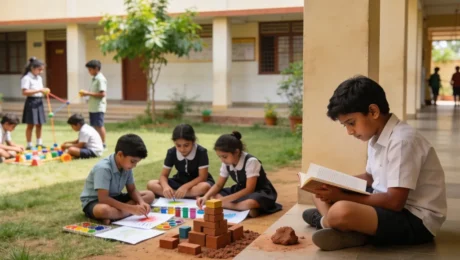
There’s always a point in the summer holidays when things start to shift.
The first few days feel like freedom. No alarms, no uniforms, no rush. Children wake up slowly, move from one activity to another, and enjoy the break. But give it a week or two, and something changes.
The questions begin.
What can I do now?
Can I watch something?
Are we going somewhere?
It’s not boring exactly. It’s more like unused energy with nowhere to go.
At Little Scholar Noida, this phase isn’t treated as a problem to fix, it’s treated as a moment to redirect. The idea behind their summer programs isn’t to keep children busy for a few hours. It’s to give that restless energy a place to land. That’s where well-thought-out summer camp activities begin to make a difference.
The Difference Between “Keeping Busy” and Actually Engaging
A lot of camps make the same mistake.
They fill the day.
Activity after activity, back-to-back, barely any pause in between. On paper, it looks impressive.
In reality, children get tired, distracted, and slowly disengage.
Good camps work differently.
They don’t try to occupy every minute. They create pockets of interest. Time where a child can get into something, stay with it, and even come back to it the next day.
That’s what separates random planning from meaningful summer camp activities. It’s not about how many things are done. It’s about how deeply a child connects with what they’re doing.
What You Notice If You Sit and Watch
Spend a morning quietly observing a camp, and patterns start to show.
One child sticks with painting longer than expected, adding details no one asked for.
Another moves quickly between activities, testing everything without settling.
A third hesitates at first, then slowly joins in once they see others enjoying it.
None of these behaviours are wrong.
The best summer camp activities allow all three children to find their own pace without forcing them into one pattern.
That flexibility is where real engagement begins.
The Activities Children Don’t Get Tired Of
Some activities fade quickly. Others keep pulling children back in.
Making Things With Their Hands
Give children materials, paper, colours, clay, and something interesting happens.
They don’t just follow instructions. They modify them. Change them. Sometimes ignore them completely.
And that’s the point.
Creative summer camp activities work because they don’t demand a correct outcome. A child can start with an idea and end somewhere entirely different.
That freedom keeps them interested far longer than expected.
Moving Without Being Told to Sit Still
Children don’t need reminders to move. They need opportunities.
Running games, simple obstacle paths, even unstructured outdoor time, these release energy in a way nothing else does.
But here’s the important part.
It’s not about tiring them out. It’s about letting them use their bodies fully.
A strong summer camp activities list always includes movement, not as a break, but as a core part of the day.
Pretending, Performing, Becoming Someone Else
Role play changes everything.
Give children a situation, a shop, a jungle, a story, and they step into it immediately. Voices change. Expressions change. Confidence shifts.
Some of the quietest children become the most expressive here.
This is why summer camp activities that involve storytelling or role play often reveal sides of children that parents haven’t seen before.
Figuring Things Out Without Instructions
Simple experiments. Building tasks. Problem-solving games.
Not the kind with right answers written at the end, but the kind where children try, fail, adjust, and try again.
These moments don’t feel like “learning” to them.
But they’re thinking more deeply here than in most structured settings.
A thoughtful summer camp activities list always leaves room for this kind of exploration.
Doing Nothing for a While
This sounds strange, but it matters.
Quiet corners. Puzzle tables. A few books. No instructions.
Children move into these spaces when they need a pause.
Without this balance, even the best summer camp activities start to feel overwhelming.
The Subtle Role of the Adult in the Room
In school, teachers lead.
In summer camp, they watch more.
They step in when needed, but they don’t direct every move. They notice who needs encouragement and who needs space.
A small nudge here. A quiet word there.
That’s enough.
During summer camp activities, this shift gives children something rare, room to make small decisions on their own.
And that’s where confidence quietly builds.
What Changes Over a Few Weeks
The interesting part isn’t what children do on day one.
It’s what changes by day ten.
A child who waited to be told what to do starts choosing activities independently.
Another who avoided group settings begins joining in without hesitation.
Some become more expressive. Others are more patient.
These shifts don’t come from one breakthrough moment.
They come from repeated exposure to the right kind of summer camp activities, ones that allow growth without pressure.
The Social Side No One Plans For (But Always Happens)
Put children together in a less structured environment, and they start figuring things out on their own.
- Who leads.
- Who follows.
- How to share.
- How to disagree without everything falling apart.
These aren’t taught directly. They happen naturally.
That’s why summer camp activities are as much about interaction as they are about the activities themselves.
Choosing a Camp Without Overthinking It
Parents often look for the “best” camp. The most activities. The most variety.
But more isn’t always better.
Instead, look for balance.
Are children given time to stay with an activity?
Is there a mix of movement and quiet?
Do teachers guide without controlling?
A well-designed summer camp activities list reflects thought, not just effort.
What Children Actually Remember
Ask a child about their camp after it ends, and you won’t get a structured answer.
You’ll get pieces.
I made something.
We played that game again.
I didn’t get scared this time.
They remember feelings, not schedules.
That’s the real outcome of good summer camp activities. Not a list of completed tasks, but moments that stayed.
Why This Matters More Than It Seems
Summer camps aren’t just about filling time between school terms.
They’re a different kind of environment.
- Less pressure.
- More exploration.
- More room to try and fail without consequence.
For many children, this is where they discover what they enjoy without being told what they should enjoy.
And that’s valuable.
- Published in Best Play School
Best School Assembly Thought For The Day For Kids To Inspire Students
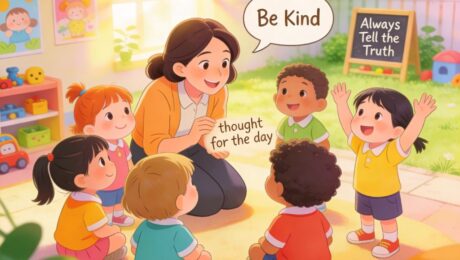
Every school morning starts with assembly, and one short line often shapes how students carry themselves through the day. At Little Scholar Noida, where children learn in a supportive environment, such daily practices are part of building strong values from an early age. A good and meaningful school assembly thought for the day for kids helps children pause, think, and start with a positive mindset.
Teachers often notice that even a simple thought can influence how students behave in class. For example, when a thought about kindness is shared, children are more likely to help their classmates or speak politely during the day. These small changes, repeated daily, slowly build strong habits.
Why Thought Of The Day Is Important For Students
A daily thought gives direction to a child’s thinking. When students hear a school assembly thought for the day for kids, they are reminded of values like respect, honesty, and discipline.
Teachers often observe that students respond better to short and clear messages. Long speeches may be forgotten, but a simple line stays in their mind. It also helps children reset their mood. A fresh thought in the morning can turn a dull or distracted start into a more focused one.
Over time, these thoughts support emotional growth and improve how students interact with others.
Top 5 School Assembly Thoughts For Kids
A good school assembly thought for the day for kids should be easy to understand and meaningful. Here are five thoughts that work well in real school settings:
1. “Believe in yourself, and you will achieve great things.”
This builds confidence and encourages students to try without fear.
2. “Every day is a new chance to be kind and helpful.”
Many teachers notice better peer interaction when kindness is discussed in assembly.
3. “Small steps lead to big achievements.”
This helps students stay patient with studies and daily practice.
4. “Honesty is the best policy.”
A simple value that helps build trust between students and teachers.
5. “Learn something new every day.”
Encourages curiosity and keeps children interested in learning.
For younger classes, a short thought for the day during school assembly for kids, like “Do your best today,” works very well because it is easy to remember and repeat.
How To Choose The Right Thought
Not every thought connects with children. Schools should choose ideas that align with students’ age group and daily experiences.
A useful school assembly thought for the day for kids should be:
- Simple and clear
- Short enough to remember
- Connected to real-life situations
- Positive and practical
For primary students, shorter lines work better. Older students can understand slightly deeper ideas, especially when linked with real examples.
How Schools Can Use Thoughts Effectively
In many schools, the impact of the thought depends on how it is presented. Instead of just reading it, teachers can make it more meaningful.
Some practical ways include:
- Asking one student to explain the thought in their own words
- Sharing a quick real-life example related to it
- Connecting the thought with classroom behavior
- Repeating the thought during the day in class
When students are involved, the school assembly thought for the day for kids becomes more than a routine. It turns into a daily learning moment.
A Simple Weekly Approach Schools Can Follow
Schools can also plan thoughts around weekly themes:
- Monday: Motivation
- Tuesday: Discipline
- Wednesday: Kindness
- Thursday: Learning
- Friday: Respect
This makes it easier for students to connect ideas across the week. It also helps teachers reinforce the same value in classrooms.
Role Of Teachers In Making It Meaningful
Teachers shape how students connect with the thoughts shared during assembly. A simple line can easily be forgotten, but when a teacher adds a short explanation or a real-life example, it starts to make sense in a child’s daily life. Even a quick 2-3 line discussion in class can help students see how that thought applies to situations they face.
For instance, if the thought is about honesty, a teacher might describe a small situation like admitting a mistake instead of hiding it. When children hear such examples, they begin to relate the message to their own actions. Over time, these small conversations help them understand values in a practical way rather than just memorising words.
Teachers can also encourage participation by asking students what they understood from the thought or if they have experienced something similar. This makes the activity more interactive and gives children a chance to express their ideas. When students share their views, the message becomes more personal and easier to remember.
Another helpful approach is linking the thought with classroom activities. A value like kindness can be connected to group work, helping classmates, or simple acts like sharing. When children see the same idea being followed during the day, it strengthens the impact of the morning thought.
Schools like Little Scholar Noida focus on these small daily practices as part of overall development. The aim is not just to deliver a message but to make sure children understand and apply it in their behaviour.
When done consistently, this practice builds a habit of reflection in students. They start paying attention to their actions, thinking about what is right, and making better choices on their own. Over time, these daily thoughts contribute to shaping responsible and aware individuals, one small step at a time.
- Published in Networking
Kindergarten Graduation Day: A Small Moment That Marks a Big Change

If you arrive early enough on a kindergarten graduation day, before the chairs fill up and before the children are brought out, the space feels almost ordinary. A few decorations. A small stage. Teachers moving around with a kind of quiet focus.
Nothing about it suggests that in a short while, a room full of parents will sit there trying to hold on to a feeling they didn’t expect to have.
At Little Scholar Noida, this moment is never overproduced. There’s no attempt to make it grander than it needs to be. And that’s exactly why it lands the way it does. It feels real. Close to what the year actually was. Because the truth is, this day isn’t about what happens on stage. It’s about everything that led up to it.
Before the Certificates, There Was Uncertainty
Go back to the beginning of the year. A child standing at the classroom door, not quite sure whether to step in. A hand that doesn’t want to let go. A face scanning the room for something familiar.
No one calls that moment “learning,” but it is. A thoughtful kindergarten curriculum and the environment around it, starts right there. Not with alphabets or numbers, but with adjustment.
Some children take a day. Some take longer. The teachers who understand this don’t rush the process. They don’t treat hesitation as something to fix quickly. They give it space. Months later, when the kindergarten graduation ceremony takes place, that first moment feels very far away. But it’s the same journey.
The Changes That Don’t Announce Themselves
There’s no single day when a parent suddenly says, “Now my child is different.”
It creeps in.
- A longer answer to a simple question.
- A story told without being prompted.
- A willingness to try something without looking around first.
You notice it in pieces. And because it happens gradually, it’s easy to underestimate. That’s why graduation day for kindergarten often catches parents off guard. It forces a pause. It makes you look back. And when you do, the change feels bigger than it did while it was happening.
What Children Think This Day Is About
Here’s the interesting part. Children don’t experience this day the way adults do. They’re not thinking about “milestones” or “transitions.” They’re thinking about very immediate things.
- Where they will sit.
- When their name will be called.
- Whether their parents can see them.
The cap matters. The certificate matters. The applause matters. But not in a symbolic way. In a very direct, present way.
A well-handled kindergarten graduation meets them at that level. It doesn’t overload the moment with meaning. It lets the experience stay simple.
The Thin Line Between Celebration and Pressure
It’s surprisingly easy to get this wrong.
- Add too much structure and the day becomes a performance
- Add too many expectations and children start to withdraw.
The best kindergarten graduation ceremony sits somewhere in between.
There is a plan, but it’s flexible. There is participation, but not compulsion. Some children speak clearly into a microphone. Others say very little. Some waves. Some just stand and look around. All of it is allowed. That’s what makes the day work.
What Teachers Are Actually Watching
While parents watch the stage, teachers are often watching something else entirely.
They’re noticing the child who would not stand alone in the first month, now walking up without hesitation.
They’re noticing the one who struggled to follow instructions, now waiting for their turn.
They’re not measuring performance. They’re recognising progress.
That’s what gives a kindergarten graduation its weight. Not the event itself, but the context behind each child’s presence there.
Why This Moment Stays With Parents
It’s not the certificate. It’s not even the photos, though those will be looked at many times. It’s a very specific realization. They’re going to be okay.
That thought doesn’t come from a report card. It comes from watching your child in a space where they once felt unsure, now standing comfortably. That’s why graduation day for kindergarten feels heavier than expected. It closes a loop that started months ago, often without you fully noticing.
The Ceremony as a Mirror of the School
If you want to understand a school, watch how it handles this day. Not the decorations. Not the schedule.
Watch the tone.
- Do teachers rush children, or wait for them?
- Do they correct, or guide?
- Do they prioritise how things look, or how children feel?
A well-balanced kindergarten graduation ceremony reflects a school that understands early learning beyond academics. It shows patience. It shows restraint. And those qualities don’t appear only on this day. They’re part of the everyday environment.
The Part No One Talks About: Letting Go
There’s a subtle shift that happens for parents too. Until this point, school still feels like an extension of home. A first step, but a small one. After kindergarten graduation, it feels different.
The next stage carries more structure, more expectation. And this day sits right in between.It’s not dramatic. There are no big speeches about it. But you feel it.
What This Day Doesn’t Try to Do
It doesn’t try to prove that children are “ready” in a formal sense. It doesn’t try to show outcomes. It simply marks that something has happened.
Growth has taken place. Quietly. Consistently. That’s what a meaningful kindergarten graduation does. It acknowledges without overstating.
Looking Ahead Without Rushing
Children don’t dwell on transitions the way adults do. For them, what comes next is simply… next. A new classroom. New routines. Maybe new faces.
But because of what they’ve already experienced, they approach it differently.
- With less hesitation.
- With more curiosity.
That’s the quiet success behind a well-handled kindergarten graduation.
If You’re Choosing a School
There’s a tendency to ask very direct questions. What will my child learn? How quickly will they progress? Those matter. But they don’t tell the whole story.
A better question might be:
How does the school handle moments that aren’t measurable?
- Moments like the first day.
- Moments like transitions.
- Moments like kindergarten graduation.
Because those are the moments that shape how a child experiences learning itself.
Frequently Asked Questions
1. Why is kindergarten graduation important?
A meaningful kindergarten graduation helps children recognise their own progress and transition comfortably into the next stage of learning.
2. What happens during a kindergarten graduation ceremony?
A typical kindergarten graduation ceremony includes simple acknowledgements, child participation, and a calm celebration of growth rather than performance.
3. How does graduation day for kindergarten impact children?
Graduation day for kindergarten gives children a sense of completion and confidence, helping them move forward without anxiety into the next phase of school.
- Published in Best Play School
Where Learning Begins: A Real Look at the Kindergarten Curriculum
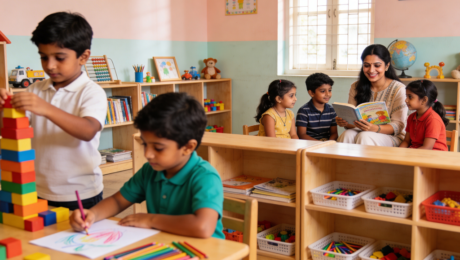
The first time a child walks into a classroom, something shifts. It’s not dramatic. No big moments. Just a quiet beginning. A room full of colors, unfamiliar faces, and tiny decisions—where to sit, what to pick up, who to talk to.
For parents exploring schools like Little Scholar Noida, this stage feels bigger than it looks. Because this isn’t just about school admission. It’s about choosing the kind of start your child gets. And that start is shaped, almost entirely, by one thing—the kindergarten curriculum.
Let’s get into what actually matters.
It’s Not About Early Academics (And It Never Was)
There’s a common instinct among parents to look for “advanced” learning. Early reading, writing, counting. It feels reassuring. But here’s the catch—pushing academics too early often misses the point.
A well-designed kindergarten curriculum isn’t trying to create mini scholars. It’s trying to build thinkers. Children who ask questions. Children who aren’t afraid to try, fail, and try again.
At this age, learning is less about answers and more about exposure.
A child stacking blocks is learning balance.
A child scribbling is learning expression.
A child asking “why” repeatedly is learning curiosity.
And those are the real foundations.
What’s Changed in the Kindergarten Curriculum in India
If you compare today’s classrooms with what existed 10–15 years ago, the difference is obvious. Back then, the kindergarten curriculum in India often leaned toward discipline and repetition. Writing pages of alphabets. Memorizing numbers. Sitting still.
Now, the shift is toward experience-based learning.
The kindergarten curriculum in India today blends structure with flexibility. There’s still a framework, but the delivery is far more dynamic. Storytelling replaces rote learning. Activities replace instructions.
Schools like Little Scholar Noida have adopted this shift well. The idea is simple—don’t rush the child into the system. Let the child grow into it.
Classrooms That Don’t Feel Like Classrooms
Walk into a strong kindergarten setup and you’ll notice something immediately—it doesn’t feel rigid. There’s movement. Noise. Interaction. You might see a group building something with blocks, another listening to a story, someone quietly drawing in a corner. It can look unstructured, but it isn’t random.
A thoughtful kindergarten curriculum is designed to allow controlled freedom.
Because learning at this stage happens in layers:
- Watching others
- Trying things independently
- Repeating actions naturally
And all of this happens best in an environment that doesn’t feel restrictive.
Why Play Is Doing More Work Than You Think
It’s easy to underestimate play. From the outside, it looks like downtime. But within a strong kindergarten curriculum, play is doing the heavy lifting.
Take something as simple as group play:
- Children learn to wait their turn
- They negotiate roles
- They deal with small conflicts
Or consider something like clay modeling:
- It improves motor skills
- It encourages creativity
- It builds focus
The point isn’t the activity itself. It’s what the activity unlocks.
And that’s why schools that take play seriously tend to produce more confident learners.
Language Isn’t Just About Words
One of the biggest indicators of early development is how a child communicates.
Not just reading or writing—but expressing.
A well-crafted kindergarten curriculum puts strong emphasis on:
- Speaking freely
- Listening actively
- Participating without hesitation
You’ll often see storytelling sessions, show-and-tell activities, or simple group conversations.
These moments matter.
Because a child who can articulate thoughts early doesn’t just perform better in school—they navigate the world better.
The Part No One Talks About: Emotional Learning
Here’s something that doesn’t show up on report cards but matters deeply—emotional growth.
At this stage, children are learning:
- How to share attention
- How to deal with losing a game
- How to make and keep friends
A good kindergarten curriculum doesn’t ignore this. It builds space for it.
Sometimes it’s through guided play. Sometimes through simple routines. Sometimes just through observation and gentle correction.
Over time, these small interactions shape how a child responds to people and situations.
And that carries forward for years.
Teachers Set the Tone
Curriculum on paper is one thing. What happens inside the classroom is another. In kindergarten, teachers aren’t just delivering lessons. They’re setting the emotional climate of the room.
A strong kindergarten curriculum works best when teachers:
- Encourage questions instead of shutting them down
- Notice quieter children and bring them in
- Allow space for mistakes without pressure
Children at this age don’t respond to authority as much as they respond to energy. If the classroom feels safe, they open up. If it feels strict, they withdraw. It’s that simple.
Structure Without Pressure
A lot of parents worry about whether a flexible approach means lack of discipline. It doesn’t. A good kindergarten curriculum has structure. It just doesn’t feel forced.
There’s a rhythm to the day:
- Activity time
- Story time
- Free play
- Group interaction
But within that rhythm, there’s room to adjust based on how children are responding.
Some days, a planned activity might stretch longer because kids are engaged. Other days, it might shift entirely.
And that flexibility is what keeps learning natural.
The Space Itself Teaches
The design of the classroom quietly shapes behavior. Spaces that allow movement, access to materials, and visual stimulation tend to encourage exploration. A well-thought-out kindergarten curriculum includes this aspect intentionally. Low shelves, interactive corners, open areas—these aren’t design choices for aesthetics. They’re functional.
They tell the child, without words: you’re allowed to explore.
What Parents Can Do (Without Overdoing It)
It’s easy to feel like you need to “support learning” at home in a structured way. The best way to reinforce a kindergarten curriculum is through everyday interaction:
- Let your child ask questions, even if they seem repetitive
- Involve them in small decisions
- Read together without turning it into a lesson
Learning at this stage isn’t about extra work. It’s about continuity.
Choosing the Right Fit
When you’re evaluating schools, it’s easy to get distracted by facilities. But the real indicators are simpler. Look at:
- How children are interacting in the classroom
- How teachers are engaging with them
- Whether the environment feels relaxed or controlled
A strong kindergarten curriculum shows itself in how children behave—not just in what’s written in a brochure.
What Stays With the Child
The early years don’t just prepare children for the next grade. They shape how children see learning itself. A child who enjoys this phase is more likely to:
- Stay curious
- Adapt easily
- Build confidence naturally
That’s the real outcome of a good kindergarten curriculum.
Not early excellence. But long-term ease with learning.
Final Thought
The goal isn’t to get ahead early. It’s to build a strong start. A thoughtful kindergarten curriculum respects the pace of childhood. It doesn’t rush it, doesn’t overload it, doesn’t try to manufacture outcomes too soon. It simply creates the right conditions.
And when those conditions are right, growth follows on its own.
Q&A
1. What should a good kindergarten curriculum focus on?
A strong kindergarten curriculum focuses on overall development—communication, social skills, emotional growth, and basic cognitive abilities—rather than just academics.
2. How is the kindergarten curriculum in India evolving?
The kindergarten curriculum in India is moving away from rote learning toward activity-based and play-driven methods, making learning more engaging and child-friendly.
3. Is academic learning important at the kindergarten level?
Basic exposure is important, but the focus should remain on building curiosity, confidence, and communication skills rather than pushing formal academics too early.
- Published in Best Play School
Fun Sports Day Games for Kindergarten: A Day Children Never Forget
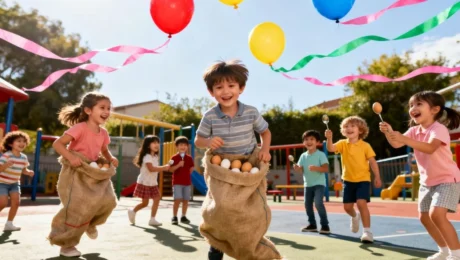
Ask any kindergarten teacher what makes little children happiest, and they will tell you it is Sports Day. Not expensive toys or fancy gifts, just a simple day when they get to run outside with friends, play silly games, and see their parents cheering from the side. Children start asking about it weeks before. “Ma’am, when is Sports Day? Can my mother come? Will there be races?”
At schools like Little Scholar, a warm play school in Noida, where teachers truly care about each child, Sports Day is planned with love. The playground fills with balloons and streamers. Colorful cones mark the tracks. Parents arrive with cameras ready. And the children? They can barely sit still from all the excitement.
The secret to a great Sports Day is picking games that work well for little ones. Games that are not too hard, not too competitive, and most importantly, games that make every single child feel included. When teachers choose the right sports day games for kindergarten, something beautiful happens. Shy children come out of their shells. Children who usually sit quietly run and laugh with everyone else. Every child goes home feeling like a winner.
Why These Games Matter
Some people think Sports Day is just about burning off energy. And yes, that is part of it. Five-year-olds have endless energy, and letting them run outside is always a good idea.
But watch closely during the games, and you will notice other things happening. A little girl drops her egg three times during a race. She picks it up every single time and keeps walking until she reaches the finish line. That is not just a game. That is learning to keep trying even when things go wrong. A group of children holds onto each other’s waists during a relay. They fall, they laugh, they figure out how to move together. That is not just fun. That is learning to work with others.
Children do not realize they are learning these things. They know they are having the best time. But the lessons stay with them long after Sports Day ends. This is why good schools carefully consider which sports day games to include for kindergarten.
Games That Little Children Actually Love
After watching many Sports Days over the years, some games stand out as clear winners. Children ask for them again and again.
The Egg-and-Spoon Race
This game has been around forever. Your grandparents probably played it. Your parents definitely played it. And there is a reason it never goes away.
Each child gets a spoon and a boiled egg. A small potato works too, or even a lemon. The child has to walk from the start line to the finish line without dropping the egg. Simple.
But watch a group of five-year-olds doing this, and you will see something wonderful. Some children walk so slowly you wonder if they are moving at all. Their eyes stay fixed on the egg, their steps become tiny and careful. Other children get too excited and zoom ahead. The egg falls immediately. Everyone laughs, including the child who dropped it. They pick up the egg and try again.
The best moment comes when each child finally reaches the finish line. The pride on their faces is priceless. They look around for their parents, wanting everyone to see what they just did. This game remains one of the most loved sports day games for kindergarten because it is simple enough for everyone to try and hard enough to feel like a real achievement.
The Sack Race
Remember doing this as a child? Stepping into an old pillowcase, holding it up, and then hopping like crazy?
Children absolutely love this game. Give them small sacks or pillowcases, let them step inside, and watch them go. They hop and hop, some moving forward, some hopping sideways, some falling almost immediately. Falling on grass does not hurt, thank goodness. They get up, laughing, and keep hopping.
The whole playground fills with hopping children. Parents clap and cheer. Teachers help children who get tangled in their sacks. By the end, everyone is tired and happy.
The Animal Walk Game
This game needs nothing but imagination: no equipment, no setup, just open space.
A teacher calls out an animal name, and the children have to move across the grass acting like that animal. When the teacher says “elephant,” children stomp around with heavy feet and swing their arms like trunks. Some make elephant sounds. When the teacher says “frog,” everyone squats down and jumps. Croaking sounds fill the air. When the teacher says “snake,” children lie on the ground and wiggle forward.
Sometimes a child decides they want to be a butterfly when everyone else is being monkeys. Good teachers let them be butterflies. This is one of those sports day games for kindergarten where there are no wrong answers, only happy children moving their bodies in their own ways.
The Wiggly Worm Relay
This game looks completely ridiculous, which is exactly why children adore it.
Children stand in a line, one behind another. Each child holds the waist of the child in front of them. Now the whole group becomes one long worm. This worm has to move together to a cone and come back without breaking apart.
The worm always breaks apart. Someone, let’s go. Someone falls. Someone gets distracted and forgets to move. The worm falls apart into pieces, and everyone scrambles to reconnect, giggling helplessly. They try again, and the same thing happens. Through all this falling and laughing, children learn that working together takes practice. This game earns its place on any kindergarten sports day games list.
The Balance Walk
Put a long strip of tape on the ground. That is all you need.
Children have to walk along this line without stepping off. To make it more interesting, give them something to carry. A small book on the head works well. A little bell that should not ring is even better.
Watch the concentration on their faces. Arms stretch out for balance. Eyes stay fixed on the tape. Steps become slow and careful. When a child reaches the end without stepping off, the smile that spreads across their face is absolutely beautiful.
The Froggy Jump
Place green paper squares on the ground. These are lily pads. Tell the children they are frogs who need to reach the pond. The pond can be a blue hoop or a piece of blue cloth. The frogs must jump from lily pad to lily pad until they reach the water.
Children jump and leap with so much energy. They make croaking sounds. The jumping goes on and on until every frog has reached the pond. This game is perfect for burning off all that energy.
Little Things That Make a Big Difference
A few simple things can turn a good Sports Day into one that children remember for years.
Keep explanations short. Young children cannot follow long instructions. Show them what to do instead of just telling them.
Give something to every child. Every single child who tries should get a small prize or a ribbon. When everyone feels recognized, no one goes home sad.
Water breaks are important. Have water ready and remind children to drink between games. A thirsty child cannot have fun.
Check the ground before starting. Walk around and remove any stones or sticks. Safety comes first.
Start with music. Play a fun song and let everyone dance for a few minutes before the games begin. This gets children excited and warms up their little bodies.
Let parents help out. Mothers and fathers love being part of the fun. They can stand at game stations and cheer for every child.
Also Read: Fun Summer Camp Activities for 3-5 Year Olds, Keeping Little Ones Busy
What Stays With Children After Sports Day
When the last game finishes and children get their little prizes, something special happens. Tired but happy faces look around for their parents. They run over, holding up their ribbons, talking all at once. “Mamma, I did the egg race!” “Papa, we were a worm, and we fell!” “Did you see me hopping?”
These stories continue at home that evening. Grandparents tell them on phone calls. They become memories that families keep forever.
Sports Day gives children something no toy can. It gives them a whole day to run free and laugh out loud. It gives them a day when they feel proud of themselves for trying. It teaches them, without any lectures, that trying matters more than winning, that friends make everything better, and that moving their bodies feels wonderful.
So here is to Sports Day in kindergarten. Here is to wobbly eggs and falling sacks. Here is to wiggly worms and jumping frogs. Here is to little faces red from running and big smiles that last all day. These simple games create the kind of childhood memories that never fade away.
- Published in Uncategorized