
Sports Day Activities for Kindergarten
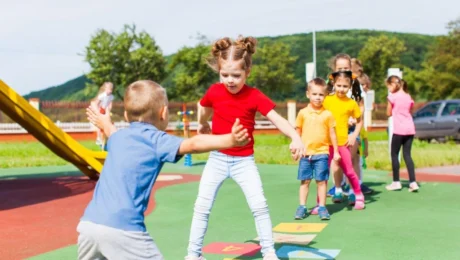
Ask a kindergarten child what Sports Day means, and you will rarely get a technical answer. You will hear about running fast, winning a ribbon, clapping for friends, and laughing when someone falls and gets back up. That is the real value of sports day activities for kindergarten. They are not about performance. They are about experience.
At Little Scholar, Sports Day is not treated as a competition or a show for parents. It is treated as a day where children get to move freely, feel proud of themselves, and take part without pressure. Long after worksheets are forgotten, these are the days children remember.
What Sports Day Means to a Kindergarten Child
For adults, Sports Day has structure. For children, it has sensations. Running shoes. Chalk lines. A whistle sound. Someone calling their name. These moments are what sports day activities for kindergarten are built around.
Children at this age are not thinking about winning. They are thinking about finishing. About being watched. About whether they should go fast or slow. Teachers understand this and plan accordingly.
That understanding is what keeps sports day activities for kindergarten gentle instead of overwhelming.
Planning Without Overloading Children
A lot of planning goes into Sports Day, but very little of it is visible to children. That is intentional. Sports day activities for kindergarten work best when they feel simple.
Teachers focus on:
- Familiar movements
- Clear starts and finishes
- Short waiting times
- Enough space to move
This makes it easier to know how to conduct sports day activities without turning them into something stressful for children or adults.
The Games That Actually Work
The most successful sports day activities for kindergarten are usually the least impressive on paper.
Short runs. Walking along a line. Carrying something light from one point to another. Rolling a ball. These are things children already do.
At Little Scholar, the idea is not to surprise children. It is to let them succeed. That success is what makes sports day activities for kindergarten enjoyable.
What Children Pick Up Along the Way
There is learning happening during sports day activities for kindergarten, even though no one explains it.
Children learn:
- How to wait without being told repeatedly
- How to listen when it matters
- How to try again after stopping
- How to clap for someone else
These things are not taught. They happen because children are part of a shared experience.
Children Who Hesitate
Not every child rushes forward. Some stand back. Some look at their teacher first. Some hold on for a while. Sports day activities for kindergarten have to leave room for this.
At Little Scholar, hesitation is not pushed away. Teachers stay nearby. They talk quietly. They wait. Very often, children step forward when they are ready.
That moment matters more than speed.
The Teacher’s Place During Sports Day
During sports day activities for kindergarten, teachers do a lot of quiet work. They are watching faces, not just games.
They step in when emotions rise. They slow things down when needed. They keep the tone light. This steadiness helps children stay regulated even when the environment is loud.
Teachers are not referees. They are anchors.
Movement and Early Development
Movement is a big part of growing up. Sports day activities for kindergarten support that without turning it into training.
Children build balance, coordination, and body awareness simply by moving. They also learn to follow directions and respond to cues.
At Little Scholar, Sports Day fits naturally into daily movement routines. It does not feel separate or strange.
Parents Watching From the Side
Parents see Sports Day differently from how children do. Watching sports day activities for kindergarten brings pride, excitement, and sometimes comparison.
Little Scholar encourages parents to stay relaxed. Cheer gently. Let children move at their own pace. Children sense adult reactions very quickly. When adults stay calm, children do too.
Sports Day Is Not an Isolated Event
Even though it happens once a year, sports day activities for kindergarten do not exist in isolation.
The games are often familiar because similar movements happen in class. This continuity helps children feel confident. It is also why sports day activities for preschoolers are kept simple and non-competitive.
Sports Day feels like a bigger version of a normal day, not something completely new.
After the Day Is Over
Once everything is packed away, children talk about small things. Who they ran with. Who clapped. How tired they felt. These conversations matter.
Teachers often revisit these moments later. Not to analyse them, but to help children process the experience. This reflection adds meaning to sports day activities for kindergarten.
A Simple Way to Look at Sports Day
Sports Day does not need to impress. It does not need to prove anything. For children, sports day activities for kindergarten are about being included, encouraged, and allowed to try.
At Little Scholar, Sports Day ends with tired legs, flushed faces, and children who feel proud in quiet ways. That feeling stays. And that is enough.
- Published in Networking
Activity for Nursery Class: How Little Moments Turn Into Learning
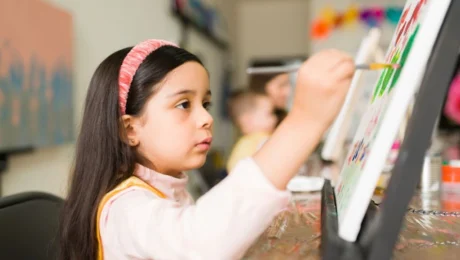
A nursery classroom is rarely quiet for long. There are small voices, moving feet, crayons slipping off tables, and questions that appear without warning. This is what learning looks like at this age. An activity for a nursery class helps guide that energy in a gentle way, giving children something to engage with rather than asking them to sit still.
At Little Scholar, the nursery is seen as a beginning, not a preparation stage. Children are learning how to be away from home, how to trust new adults, and how to exist in a group. Every activity for the nursery class is planned with this reality in mind.
Why Nursery Children Learn Best Through Activities
At this age, children are not ready for formal lessons. They are still discovering how things work. Sitting still and listening for long periods is difficult, sometimes impossible. An activity for the nursery class gives them something to do while learning happens quietly in the background.
Teachers at Little Scholar often notice that children understand more when they are involved physically. Touching, moving, pointing, and repeating help ideas settle naturally. Over time, children begin to participate without hesitation.
This is why activities form the centre of the nursery routine.
What Activities Actually Look Like in a Real Classroom
An activity for nursery class does not need elaborate preparation. In fact, simple activities often work better than planned ones.
You might see children matching colours on the floor, listening to a short story, rolling a ball across the room, or pointing to pictures while a rhyme plays. Some children stay with the activity longer. Some move on quickly. Both responses are accepted.
An easy activity for nursery class leaves room for children to join without fear. There is no pressure to finish or perform. At Little Scholar, teachers watch closely but correct very little. This allows children to try without worrying about mistakes.
How Language Grows Before Reading and Writing
Language development begins with listening. Long before children can read or write, they are learning how words sound and how conversation works. Any activity for a nursery class often includes naming objects, answering simple questions, or repeating sounds during songs.
A simple English activity for a nursery class may involve picture cards, action rhymes, or storytelling, where children respond with gestures. There is no hurry. Some children speak quickly. Others take time.
Teachers wait. That patience helps children feel confident enough to speak when they are ready.
Art as a First Language
Many nursery children express themselves through colour and movement before words. An activity for a nursery class that includes creativity gives them space to do that.
An art activity for a nursery class might involve finger painting, tearing paper, sticking shapes, or colouring freely. The result does not matter. What matters is the process.
At Little Scholar, no child is told their art is right or wrong. A page full of scribbles is just as valuable as a neat drawing. Children learn that expression is allowed, not judged.
What Children Learn Without Being Taught
A well planned activity for nursery class supports development quietly. Children may not realise they are learning, but skills build day by day.
Through regular activities, children develop:
- Better hand control
- Longer attention span
- Early thinking and sorting skills
- Listening habits
- Comfort around other children
These skills are not rushed. They grow through repetition and routine.
The Teacher’s Role During Nursery Activities
An activity for nursery class works only when the adult support feels calm. At Little Scholar, teachers stay close but do not interfere unnecessarily.
They help when frustration appears. They step back when confidence grows. They speak softly and give children time to respond.
This balance helps children feel supported without becoming dependent.
Also read: Craft Activities for Preschoolers: What We See Every Day at Little Scholar
How Activities Fit Into the Nursery Day
Children feel safe when they know what comes next. An activity for nursery class is placed thoughtfully within the daily routine.
Activities usually happen:
- In the morning to help children settle
- Between meals and rest time
- During transitions when energy changes
This rhythm helps reduce anxiety and builds trust.
Social Learning Happens Along the Way
Many social skills develop naturally during an activity for nursery class.
Children slowly learn to:
- Wait for their turn
- Share materials
- Sit beside others
- Follow simple group rules
These lessons are learned through experience, not explanation.
Supporting Nursery Activities at Home
Parents do not need special materials to continue an activity for the nursery class at home. Simple actions like talking, singing, drawing, or sorting objects are enough.
What matters most is time and patience. When children feel listened to, they feel confident to explore.
Why These Activities Matter in the Long Run
Early experiences shape how children feel about learning. A positive activity for the nursery class builds comfort, curiosity, and confidence.
Over time, children begin to:
- Participate willingly
- Communicate more clearly
- Adjust to routines
- Feel safe in group settings
At Little Scholar, nursery activities are treated with care because these early moments form the base for everything that follows.
Closing Thought
Children may not remember every activity, but they remember how they felt. Through each thoughtfully planned activity for the nursery class, Little Scholar helps children feel calm, capable, and accepted.
Those feelings stay long after nursery ends.
- Published in Networking
Craft Activities for Preschoolers: What We See Every Day at Little Scholar
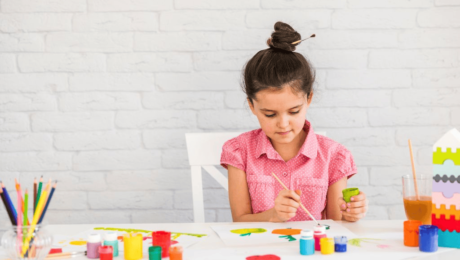
If you ever sit inside a preschool classroom for even ten minutes, you will understand why craft activities for preschoolers matter so much. Not because of the result pinned on the wall, but because of what happens while children are making it.
A child pauses before choosing a colour. Another presses the glue too hard and looks surprised. Someone asks for help. Someone else insists they can do it alone. These moments are small, but they are full of learning.
At Little Scholar, this is exactly how we look at craft activities for preschoolers. Not as artwork, but as quiet growth happening in real time.
Why Craft Feels Right for This Age
Preschoolers are not meant to sit and listen for long. They are meant to move, touch, test, and try again. That is why craft activities for preschoolers feel so natural. There is no pressure to be right. There is only curiosity.
When children are allowed to experiment and play with paper, colours, and simple materials, something shifts. They slow down. They focus. They forget that adults are watching.
Teachers at Little Scholar often notice that children who speak very little during circle time express themselves freely during craft. For some children, this is where confidence quietly begins.
What Craft Looks Like at Little Scholar
One thing parents notice quickly is that craft activities for preschoolers at Little Scholar do not follow a fixed template. There is no “everyone’s sun must look the same” rule. Instead, teachers observe and support.
During craft time, you might see:
- One child working carefully for a long time
- Another finishing quickly and starting again
- Someone changing their mind halfway
- Someone asking questions instead of following steps
All of this is allowed. All of this is learning.
This approach makes craft activities for preschoolers feel safe rather than demanding.
Also Read: Early Childhood Education: Giving Young Minds the Start They Deserve
Learning That Happens Without Teaching
Parents often ask what children actually learn from craft activities for preschoolers. The answer is obvious, but it is powerful.
Children slowly develop:
- Control over their fingers and hands
- The ability to stay with one task
- Comfort in making choices
- The habit of trying again when something does not work
These skills support writing, reading, and classroom readiness later on, without being forced too early.
Simple Materials, Real Engagement
At Little Scholar, craft activities for preschoolers rarely depend on expensive supplies. Teachers use what is familiar and easy for children to relate to.
Common materials include:
- Scrap paper and old magazines
- Leaves, twigs, cotton, and seeds
- Cardboard boxes and paper rolls
- Crayons, paints, glue, and tape
Children learn that creativity does not come from buying things. It comes from using what is around them.
Keeping Craft Simple on Purpose
Preschoolers have short attention spans, and that is okay. That is why craft activities for preschoolers are kept short and flexible. A handprint, a paper collage, or tearing and pasting shapes is often enough. This kind of activity is an easy craft activity for preschoolers because it allows success without frustration.
At Little Scholar, craft often connects to what children are already talking about. A story read in class. A festival coming up. A colour being explored that week. This makes the activity feel meaningful instead of random.
Craft and Emotions
Sometimes children show their feelings through craft before they can explain them. Craft activities for preschoolers give space for that expression. A child might work quietly one day and talk endlessly the next. Another might use the same colour again and again. Teachers notice, but do not interrupt.
This gentle observation helps children feel accepted. Over time, they learn that their feelings are allowed.
Learning to Be Around Others
Craft time is social, even when children are focused. During craft activities for preschoolers, they naturally interact.
They learn to:
- Wait for glue or scissors
- Share space at the table
- Respect someone else’s work
At Little Scholar, teachers encourage small conversations without forcing them. These moments build comfort in group settings.
Craft as Part of the Day
Children feel safer when the day has rhythm. Craft activities for preschoolers are part of a predictable routine at Little Scholar. When children know that creative time comes after stories or before lunch, they settle more easily. They know what to expect. This sense of routine helps children focus and feel calm.
What Teachers Actually Do During Craft
During craft activities for preschoolers, teachers at Little Scholar are quietly present. They do not hover, but they do not disappear either.
They:
- Step in when frustration appears
- Step back when confidence grows
- Encourage effort, not neatness
This balance is important. It tells children that support is available, but independence is respected.
Bringing Craft Home Without Pressure
Parents often worry about doing crafts “correctly” at home. There is no correct way. Craft activities for preschoolers at home should feel relaxed.
A few helpful ideas:
- Keep materials simple
- Let children decide what they want to make
- Avoid fixing their work
- Ask them to talk about it instead
Trying an easy craft activity for preschoolers at home can be a quiet way to connect without screens or instructions.
Why Craft Matters Beyond Preschool
In the early years, learning should feel gentle. Craft activities for preschoolers support that idea perfectly. They teach patience, focus, expression, and self-trust without lectures or tests. At Little Scholar, craft is not treated as a filler activity. It is part of how children slowly learn who they are.
Final Thought
Children may not remember the exact craft they made, but they remember how it felt to be trusted. Through thoughtful craft activities for preschoolers, Little Scholar creates moments where children feel capable, calm, and proud. Those feelings stay long after the glue dries.
- Published in Top Play School
Active Indoor Games for Preschoolers: What Actually Works Inside a Classroom
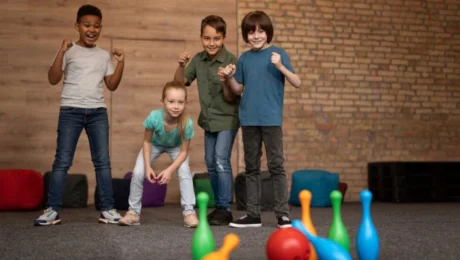
There is a moment every preschool teacher recognises.
It’s when the room gets louder, chairs start moving, little feet keep shifting, and no one is really listening anymore. That moment is not misbehaviour. It’s a signal. Children need to move.
This is why active indoor games for preschoolers are part of everyday life at Little Scholar. Not as a reward. Not as a break. Just as something children genuinely need.
Children Carry Energy, Not Instructions
Preschoolers don’t wake up thinking about schedules. They wake up with energy in their bodies. When that energy has nowhere to go, it spills out in ways adults sometimes misunderstand. Active indoor games for preschoolers give that energy a direction.
Instead of running randomly, children are invited to jump, crawl, stretch, balance.
- There is movement
- There is structure
- There is release
And surprisingly, calm often follows. Teachers at Little Scholar observe this daily.
What Indoor Games Look Like (No Fancy Setup)
Indoor movement doesn’t mean chaos. And it doesn’t mean complicated equipment either. Most active indoor games for preschoolers are straightforward. Some days, it’s just tape on the floor. Some days, it’s chairs turned into tunnels. Some days, it’s music and actions.
You might see:
- Children walking slowly on a line
- Rolling a ball to a friend
- Jumping from one spot to another
- Stretching up high, then curling small
That’s it. Nothing dramatic. But it works.
Why Indoors Matters Just as Much
People often assume movement only belongs outside. But classrooms have limits. Weather changes. Space changes. Children still need movement. That’s where active indoor games for preschoolers matter most. They allow movement without noise taking over the room.
This balance is important, especially in a school like Little Scholar where learning and comfort go together.
Learning Happens While Bodies Move
Children understand ideas through their bodies before they understand them with their minds. This is something adults often forget. During active indoor games for preschoolers, teachers sometimes introduce big and small activities for preschool without saying much at all.
- Children jump like something big
- Then they curl up like something tiny
No explanation needed. They get it.
Emotions Change When Movement Happens
Preschool emotions can flip quickly.
- A small disagreement
- A sudden noise
- A long sitting activity
Movement helps reset all of that. Active indoor games for preschoolers help children release tension without talking about it.
- They move
- They breathe
- They calm down
At Little Scholar, teachers often notice fewer tears after movement time. It’s not magic. It’s regulation.
Also Read: Early Childhood Education: Giving Young Minds the Start They Deserve
Social Skills Grow Quietly Here
Indoor games are not loud competitions. They are shared experiences. During active indoor games for preschoolers, children learn things adults usually try to teach with words.
They learn:
- To wait
- To watch
- When to go
- When to stop
No lectures. Just practice.
Indoor vs Outdoor: Both Matter
Parents sometimes ask which is better. The answer is neither. Understanding the difference between indoor games and outdoor games helps here.
- Outdoor play gives freedom and wide movement
- Indoor games build control and awareness
At Little Scholar, both are planned intentionally. When outdoor play isn’t possible, active indoor games for preschoolers step in without reducing quality. That balance keeps children regulated throughout the day.
Safety Is Always Part of the Plan
Movement indoors only works when safety comes first. Active indoor games for preschoolers are planned with clear boundaries.
Teachers:
- Check the space
- Move furniture if needed
- Stay close
Children feel safe because the environment supports them.
How Indoor Games Fit Into the Day
Preschoolers need rhythm. Active indoor games for preschoolers are placed where they make sense.
Sometimes:
- First thing in the morning
Sometimes:
- After a long seated activity
Sometimes:
- When attention starts slipping
Children don’t need to be told why. Their bodies already know.
What Teachers Actually Do During These Games
Teachers don’t stand back with crossed arms. During active indoor games for preschoolers, they are present.
They:
- Show movements
- Slow things down
- Encourage the child who hesitates
- Gently guide the one who gets too excited
This is quiet work. But it matters.
Why Movement Supports Learning Later
There is a clear link between movement and readiness to learn. Active indoor games for preschoolers support more than muscles.
They support:
- Focus
- Listening
- Memory
- Self control
At Little Scholar, movement is never treated as a distraction. It’s part of preparation.
Indoor and Outdoor Together
A healthy preschool day includes indoor and outdoor games.
- One supports freedom
- The other supports structure
When outdoor play isn’t possible, active indoor games for preschoolers ensure children are not forced into stillness they are not ready for.
A Very Honest Closing Thought
Children are not meant to sit quietly for hours. Expecting that only creates frustration for everyone. Through thoughtful, active indoor games for preschoolers, Little Scholar allows children to move without being labelled restless.
- To breathe without being corrected
- To reset
- To return to learning calmer than before
Sometimes, that movement is the most important part of the day.
- Published in Networking
Early Childhood Education: Giving Young Minds the Start They Deserve
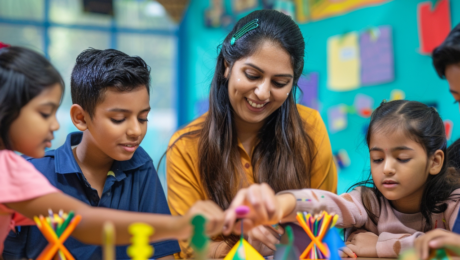
If you are a parent, you already know how quickly children grow. One moment, they are learning how to hold a crayon, and the next, they are trying to tell you long stories that only they understand. These years are full of tiny changes that shape who they become. That is why early childhood education feels so essential. It helps children build confidence, curiosity, and emotional strength long before the world asks big things from them.
At The Little Scholar, you see this from the moment you walk in. Children are exploring. They are asking questions. They are playing with intention. You sense that early childhood education is not treated like a checklist here. It feels like a journey that respects the way children learn. Slowly. Naturally. With joy.
Parents often forget that the early years set the tone for everything that follows. The way a child speaks. The way they share. The way they think. The way they react. These behaviours begin forming quietly during early childhood education, long before formal schooling starts.
Why Early Childhood Education Matters So Much
Children learn differently from adults. They learn through touch, sound, stories, and connection. Early childhood education works with this instinct. It helps a child feel understood. It helps them feel capable. It helps them feel safe enough to explore.
You see the impact in small ways. A child begins naming colours. Another starts recognising letters. A shy child slowly shares a toy. A curious one starts asking why. Early childhood education shapes these early skills gently. No rush. No pressure. Just real learning through everyday experiences.
The importance of early childhood care and education becomes clear when you imagine a child trying to learn without emotional support. They may know the alphabet, but they might not know how to express feelings. They may count numbers, but they may not know how to work with friends. That balance is what early childhood education brings.
1. The Heart of What Children Learn
Every strong early childhood education program focuses on the whole child. Not just academics. Not just language. Everything.
Children learn how to speak clearly. How to identify shapes. How to listen to a story without interrupting. How to follow routines. These moments may look small, but they build habits that last.
Outdoor time helps them understand their body. Art allows them to express emotions. Music helps them remember patterns. Group play helps them build friendships. Every part of early childhood education is connected to how a child experiences the world.
Parents often talk about how their child grows emotionally during this stage. They see children becoming more patient. More expressive. More independent. Early childhood education holds space for these changes.
2. The Role of Teachers in Early Learning
A curriculum is only as good as the people who bring it to life. And in early childhood education, teachers matter more than anything else. Children trust their teachers deeply. They look for comfort in their voice. They look for support in their smile. A good teacher can change how a child feels about learning.
Teachers at The Little Scholar create moments that stay. They kneel to talk to children. They ask simple questions. They help children through frustration. They notice when a child is nervous. They know when to guide and when to step back. They use the early childhood education curriculum to give every child their own pace and their own space.
This connection creates real growth. Children follow routines because they feel safe. They join activities because they feel encouraged. They explore because they feel understood. This is the real power of early childhood education.
3. Activities That Bring Early Learning to Life
Early childhood education is most effective when learning feels natural. Children build towers, paint shapes, listen to rhymes, and move their bodies. None of these activities looks like studying, yet they lay the foundations for language, numeracy, and emotional intelligence.
Storytelling teaches listening and imagination. Pretend play teaches social understanding. Art teaches creativity. Music teaches rhythm and focus. Outdoor play teaches balance and coordination. These experiences become stepping stones for future learning.
Parents often feel relieved when they see how activities are planned. There is structure, but not stiffness. There is guidance, but not pressure. Early childhood education works best when children feel the freedom to discover.
4. When Parents Notice the Change
If you speak to parents who have been through this stage, they will tell you the same thing. Early childhood education changes a child in quiet but powerful ways.
Their child begins talking more, asking more, and trying more. They start recognising letters and numbers. They become more comfortable with friends. They adjust better to routines. These little changes often make parents emotional because they realise their child is stepping into a bigger world with confidence.
Early childhood education is not about preparing children for exams. It is about preparing them for life. For friendships. For communication. For patience. For self-expression.
5. How a Strong Curriculum Guides Growth
A good early childhood education curriculum does more than teach concepts. It builds a learning environment where children understand how to think rather than what to think. It balances stories, language, art, music, outdoor time, and social learning.
Teachers use the early childhood education curriculum as a map, not a rulebook. They adapt activities based on children’s moods, interests, and comfort levels. They notice when something is too easy or too challenging and adjust the pace accordingly.
This flexibility creates a comfortable space for authentic learning. Children feel supported. Parents feel reassured. Everyone moves forward together.
6. Helping Children Build Confidence for School and Life
By the time children complete their early childhood education years, something shifts. They begin walking into classrooms with less fear and more curiosity. They express feelings more clearly. They make friends more easily. They show interest in books, numbers, and simple ideas.
These are not small victories. These are signs that early childhood education has done precisely what it was meant to do.
At The Little Scholar, the goal is simple. Let children grow at their own pace. Let them feel loved. Let them feel curious. Let them step into the future with emotional strength and confidence. When the early years feel safe and joyful, everything that comes later becomes easier.
Also Read: Fun and Educational Preschool Activities That Spark Curiosity in Every Child
- Published in Networking
Fun and Educational Preschool Activities That Spark Curiosity in Every Child
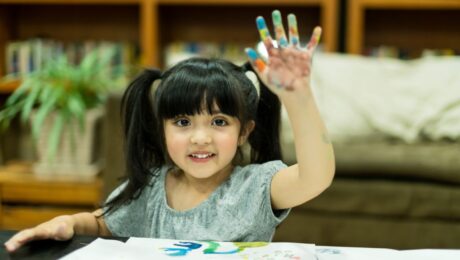
If you are a parent, you already know this feeling. You watch your child get ready for school, and you hope they walk in with excitement. You hope they find something to smile about. You hope they feel safe and prepared to explore. That little spark matters. And most of the time, it comes from the kind of preschool activities they do every day.
At The Little Scholar, mornings begin with familiar faces and gentle warmth. Children walk in carrying their tiny bags, holding on to routines that make them feel safe. Some run straight to their favourite corner. Some quietly look around first. Some take a moment to settle. Preschool activities help them open up in their own way, without pressure.
You can see it in the small things. A child who once stayed close to the wall now walks up to the art table. Another one who never spoke much suddenly sings a rhyme loudly. These little shifts often come from simple activities that make children feel comfortable, curious, and loved.
Why Preschool Activities Matter So Much
Children learn through the smallest experiences. A few colours. A set of blocks. A short story. A new friend. These moments look ordinary to adults, but to a child, they are the first steps into understanding the world.
That is why preschool activities matter. They create gentle opportunities for children to learn without realising they are learning. When a child sorts colours, they build logic. When they listen to a story, they build their imagination. When they play in a group, they learn sharing and patience. These moments shape their confidence in ways we often notice only later.
Parents often say they start seeing changes at home. Their child becomes calmer. More expressive. More independent. Less afraid to try things. These changes are quiet, steady, and real. That is what thoughtful preschool activities do. They help children grow in the background of their everyday lives.
1. Learning Through Play
Play is not a break from learning. It is learning. Teachers at The Little Scholar plan preschool activities that focus on discovery rather than instruction. Children build towers that fall and try again. They match shapes that do not fit at first. They sing rhymes that make them laugh. In all of this, they are learning without feeling pressure.
Play teaches children to solve problems. It teaches them to make decisions. It teaches them to try again simply because they want to. Group play teaches emotional skills. They learn that sometimes they have to wait. Sometimes they have to help. Sometimes they need to listen. These lessons quietly prepare them for the rest of their school years.
2. Exploring Creativity Through Art Activities for Preschoolers
There is something beautiful about watching a child paint freely. The way they dip the brush. The way they hold their breath when they choose a colour. The way their eyes widen when two colours mix. Art activities for preschoolers bring out expressions they do not yet have words for.
At The Little Scholar, children often paint. Sometimes neatly. Sometimes messily. Sometimes with brushes. Sometimes with their fingers. Art gives them the freedom to explore without fear. Even children who are usually quiet open up during art. They show things through colours that they cannot always explain through sentences.
Art also teaches calm. Focus. Pride. When a child finishes a drawing and looks at it with a small smile, you know something inside them has grown a little.
3. Craft Activities for Preschoolers That Build Confidence
Craft activities for preschoolers are more than cute projects. They are small exercises in patience and control. Children cut paper with tiny hands. They stick shapes that do not always go in the right place at first. They fold pieces slowly. They try again when something tears.
These tasks build fine motor skills and concentration. They also build resilience. When a child finishes a craft and runs to show it to a parent or teacher, that pride is real. You can see it in their face. They created something on their own. That feeling stays.
Teachers often connect crafts to themes children are learning. A story about animals becomes an animal craft. A discussion about whether it becomes a sun or a cloud collage: these activities strengthen understanding in a way that children enjoy.
4. Outdoor Play and Exploration
Children cannot spend their entire day indoors. They need open space and fresh air. Outdoor preschool activities give them that freedom. They run, climb, balance, jump, and learn how their bodies work.
The playground becomes a place where confidence grows. Children learn to take small risks. They cheer for friends. They learn to get back up after a fall. These moments help them understand movement and teamwork most naturally.
During breaks, The Little Scholar also plans summer camp activities for preschoolers. These camps keep children active and curious even when school is closed. They explore new hobbies, new games, and new friendships.
5. Making Every Day Feel New
One of the reasons children enjoy The Little Scholar is that no two days feel the same. Some days start with music. Some with storytelling. Some have a simple hands-on activity waiting at their tables. That sense of surprise keeps them excited.
Children move from one activity to another gently. Art. Blocks. Outdoor time. Rhyme time. Pretend play. These preschool activities keep them engaged without overwhelming them. They learn little things every day. A new word. A new action. A new way to solve a slight frustration.
Parents often talk about how their child comes home with stories. Small stories. Simple stories. But stories that mean something to them. That is what a good preschool day feels like.
6. The Teachers Who Make Everything Work
Every child remembers their early teachers. They remember the smile. They recognize the comforting voice. They remember the feeling of being understood. Teachers at The Little Scholar bring that warmth into everything they do.
They know some children jump right in while others hesitate. They design preschool activities that give each child the time and space they need. They watch. They listen. They guide. They help children calm down when they feel overwhelmed. They celebrate every little step forward.
When children feel safe with their teachers, they are ready to explore the world around them.
7. Balancing Learning and Play
The right balance is everything. Too much structure can make a child anxious. Too much freedom can make them feel lost. The Little Scholar blends learning and play in a way that feels natural. Classrooms are colourful and warm. There are corners for reading, corners for building, corners for pretending, corners for creating.
Preschool activities are gently guided, not forced. Children learn by doing, touching, talking, and observing. This balance helps them grow academically and emotionally without feeling burdened.
8. Preparing Children for the Future
Preschool is not just the beginning of school. It is the beginning of how children see learning. When preschool activities feel joyful, children carry that feeling forward. They walk into the next stage with curiosity instead of fear.
At The Little Scholar, the goal is simple. To help children grow into confident, kind, curious learners who enjoy discovering new things. When childhood begins with warmth, everything that follows grows from a strong foundation.
Also Read: Kindergarten Curriculum: Helping Little Minds Grow at Little Scholar Noida
- Published in Best Play School
The Importance of Education in Life: What Children Teach Us While We Think We’re Teaching Them

Most grown ups imagine learning as something loud, a classroom discussion, a worksheet, a project. But the importance of education in life often shows up in much quieter ways.
Take a seven year old standing in front of a shoe rack at school. They’re searching for their pair in a sea of identical black shoes. For a second, frustration flickers across the face. Then they pause, look again, notice the tiny scuff near the heel, and pick the right one.
It’s a tiny moment. But inside that moment is attention, memory, patience and problem solving, everything we claim to teach, unfolding naturally while no adult is performing a lesson. At places like Little Scholar’s play school, these everyday victories are just as meaningful as formal lessons. That’s the thing about the importance of education in life. It doesn’t wait for a timetable. It seeps into routine. It grows in silence. It hides itself in the smallest decisions children make long before we recognize them as real learning.
How Children Interpret the World Long Before We Explain It
The real beginning of education
We adults like categories: maths, language, values, discipline. Children don’t. They take the world as one continuous experience. A spilled bottle becomes a science experiment. A disagreement becomes a lesson in fairness. A new storybook becomes a doorway into someone else’s feelings.
And without noticing it, children begin to form their own understanding of the concept of education, not the one adults define, but the one they live.
To a child, the concept of education is simple:
- something that helps them understand what they couldn’t yesterday
- something that makes the world slightly less confusing
- something that brings a sense of “I can do this now”
This emotional clarity is often what adults overlook. We talk about curriculum; children talk about courage. We talk about skills; children talk about discovery. Yet both conversations orbit the same center, the importance of education in life, understood from two different heights.
A New Kind of Classroom for a New Kind of Childhood
Why learning today feels different from what parents remember
Most parents walk into a contemporary school and feel a flicker of surprise. Desks aren’t always in straight lines. Discussions spill beyond textbooks. Teachers sit beside students, not in front of them. All of this belongs to the modern education system, though the term itself feels too clinical for what’s actually happening.
The modern education system isn’t trying to make school “fun.” It’s trying to make it real.
- Real conversations.
- Real questions.
- Real mistakes.
- Real problem solving.
Life rarely hands you a perfectly packaged problem with one correct answer. The modern classroom imitates that reality, preparing children not just for exams but for uncertainty, which may be the most practical expression of the importance of education in life today.
Children raised in this environment learn to adapt. To collaborate. To speak up. To pause when overwhelmed. To keep going when stuck. And these traits matter wherever they go, whether they’re sitting for an interview or negotiating playground rules.
The Things Children Learn Without Being Taught
The hidden curriculum that shapes them more than any subject
Every child carries a private list of discoveries that adults rarely see:
- how long to wait before interrupting
- which friend will share their snack
- how to hide disappointment
- when to ask for help
- when to rely on themselves
None of these are part of any syllabus, yet they shape a child’s sense of competence. They define the importance of education in life in ways that no classroom lecture can.
- A child who fixes a fallen tower of blocks learns persistence.
- A child who comforts a classmate learns empathy.
- A child who tries again after failing learns resilience.
These moments layer themselves quietly, becoming a child’s internal compass, one that will guide them long after they’ve outgrown their school uniform.
Also Read: Early Childhood Education: Giving Young Minds the Start They Deserve
The Home as the Second Classroom
Even if parents don’t realize they’re teaching
Parents often underestimate the power of ordinary routines. But home is where children experiment with their first ideas about responsibility, honesty, effort, and independence.
A parent letting a child tie their own laces, even if it takes longer, reinforces the importance of education in more than a dozen motivational speeches.
A parent listening to a messy explanation teaches a child that their thoughts matter.
A parent handling a stressful situation calmly becomes a real life lesson in emotional regulation.
You don’t need to replicate school at home. Home already teaches its own curriculum, the curriculum of character.
How These Early Lessons Stretch Into Adulthood
A future shaped by moments too small to notice
Years later, you meet adults who are thoughtful, adaptable, good listeners, good leaders, patient colleagues, creative thinkers. Rarely do they attribute these traits to a single teacher or a single moment, yet the roots always go back to childhood learning.
- Someone who navigates conflict gracefully was once a child negotiating turns on the swing.
- Someone who thinks creatively was once a child encouraged to build crooked towers and wild stories.
- Someone who handles pressure without breaking was once a child allowed to fail without shame.
This is the lasting importance of education in life. It’s not just about opportunities or careers. It’s about shaping a person who can carry themselves with clarity, empathy, and confidence, qualities that matter in every room they ever walk into.
The Real Gift of Education
Not knowledge, but the ability to make meaning
If you strip away all the labels, subjects, methodology, curriculum, what remains is surprisingly simple:
Education gives a child the ability to understand their world and to understand themselves within it.
That’s the true importance of education in life. Not marks. Not medals. Not report cards. A child who understands becomes an adult who navigates, adapts, grows, questions, listens, leads, and keeps learning long after school ends.
Education is not a ladder they climb. It’s a direction they learn to face.
- Published in Networking
A Parent’s Honest Guide to Kindergarten in India
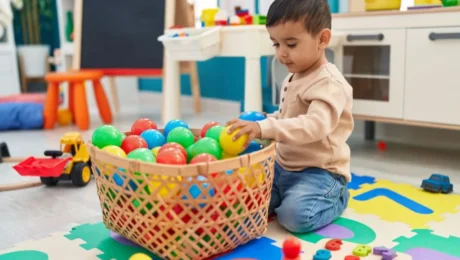
If you’re a parent, you already know this moment comes sooner than expected. One day your child is wobbling around the house with a toy in hand, and suddenly you’re looking for the right kindergarten in India where they’ll take their first real steps into the world.
Most parents we meet at Little Scholar share the same feelings. Excitement. Worry. Pride. A little fear. And a whole lot of hope. Choosing a school is not just about academics. It’s about handing your child to people you trust, in an environment that understands who they are.
This guide is written with that same emotion. No complicated jargon, no perfect sounding promises. Just a clear, honest look at what kindergarten really means today.
What Kindergarten in India Is Supposed to Feel Like
Over the years, the idea of kindergarten in India has shifted from being a formality to becoming one of the most important phases of childhood. It’s no longer a place where children sit in one spot and repeat alphabets. Instead, it’s a space where they explore, make friends, express themselves and slowly understand the world around them.
Most schools divide the early years into Pre KG or Nursery, followed by LKG and UKG. But the real purpose of this stage is simple. Children learn to adjust, follow a routine, listen, communicate and enjoy discovering new things. When done right, kindergarten becomes the heart of early development, not a race to finish worksheets.
And that’s why a good kindergarten in India focuses on experiences over pressure.
Also read: Early Childhood Education: Giving Young Minds the Start They Deserve
Pre KG: What It Really Means for Your Child
Parents often ask us what Pre KG is actually for. The pre kg full form is pre kindergarten, but what matters more is the feeling behind it. It’s the phase where children get used to being away from home while still feeling safe and cared for.
Schools usually follow the recommended pre kg age of around two and a half to four years. At this age, kids don’t need textbooks. They need patient adults, predictable routines and plenty of play.
At Little Scholar, Pre KG feels more like a gentle introduction to the world. Children start with simple routines, short activities and lots of hands-on fun. Daily pre kg activities include storytelling, messy play, music sessions, building blocks, painting and outdoor time. These are intentionally small experiences, but they make a big difference in communication, confidence and independence.
Why Kindergarten in India Shapes So Much of Who Kids Become
A well designed kindergarten in India doesn’t try to hurry learning. Instead, it helps children grow in all directions. The skills they build here stay with them long after they leave kindergarten.
Here’s what really develops during these years:
Social readiness
Children learn how to share, wait for their turn, speak up, listen to others and handle small disagreements without breaking down.
Early language and expression
Through stories, songs and conversations, children naturally pick up vocabulary and learn how to express their thoughts.
Thinking skills
Recognising patterns, counting objects, sorting things, connecting cause and effect. These small discoveries build early problem solving abilities.
Physical confidence
Running, climbing, threading beads, holding crayons. All these everyday actions help children strengthen their bodies and coordination.
Emotional maturity
Children learn how to calm themselves, feel proud of small achievements and handle new situations with more courage.
This is why kindergarten in India has moved beyond just academics. It’s about building the whole child.
Celebrations That Stay in a Child’s Memory Forever
Ask any child what they loved most, and they’ll talk about celebrations. There are so many special days to celebrate in kindergarten in India, and each one has a charm of its own.
At Little Scholar, celebrations feel alive. Not fancy, not complicated. Just simple, meaningful experiences that stay with children.
- Festivals become colorful stories
- National days become lessons in belonging
- Theme days make learning fun and visual
- Grandparents Day and Teachers Day teach children to appreciate the people who care for them
- Earth Day teaches them to look after nature with small actions
These celebrations add a heartbeat to kindergarten in India. They make school feel like a place of joy, not just learning.
Why Parents Feel Comfortable Choosing Little Scholar
Every school promises something. But parents choose Little Scholar because the environment feels real. Here, teachers greet children by name. Children walk in with excitement instead of fear. And learning unfolds naturally, not forcefully.
For families searching for a warm, dependable kindergarten in India, Little Scholar offers:
- Teachers who understand child behavior at a personal level
- A learning approach that mixes play, structure and creativity
- A safe environment where every child feels seen
- Activities that make children curious rather than anxious
- Celebrations that build memories
- A smooth journey from Pre KG to LKG and UKG
Most importantly, the school feels like a second home. Parents feel it. Children feel it. Teachers feel it.
What Children Actually Learn in Kindergarten
Throughout their time in kindergarten in India, children at Little Scholars slowly build skills that prepare them for primary school without losing their natural joy.
They learn:
- Letter sounds through stories and conversations
- Early writing skills through guided activities
- Number sense through hands on exploration
- Art, music and creative expression
- Teamwork through group tasks
- Confidence through simple presentations and show and tell
- Responsibility through small routines like packing bags or tidying up
By the end of UKG, children are ready for the next stage both emotionally and academically.
A Gentle Closing Thought
Choosing a school is an emotional decision. And it should be. You’re choosing the place that will hold your child for the first time outside home. If you’re looking for a kindergarten in India that values childhood as much as academics, Little Scholar Noida is a space where children feel loved, understood and free to grow at their own pace.
- Published in Top Play School
Kindergarten Curriculum: Helping Little Minds Grow at Little Scholar Noida
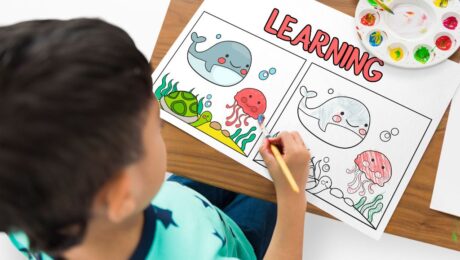
Kindergarten is that moment when kids step out of their comfort zone and into a bigger world. New faces. New rules. New adventures every single day. And the kindergarten curriculum determines whether they feel excited or overwhelmed.
At Little Scholar Noida, the idea is simple. Make children curious. Make them confident. Let them enjoy learning rather than fear it.
Parents who come to visit often notice something very quickly. Children are genuinely happy here. They laugh. They participate. They want to show what they are doing. That joy is the first sign of a strong kindergarten curriculum.
Why the Kindergarten Curriculum Matters
Kids at this age are like detectives. They notice everything. They ask the funniest questions. They want to try everything adults tell them not to touch.
So the kindergarten curriculum should encourage this. Don’t shut it down.
A good program gives kids room to figure things out. It teaches them to speak up. It makes them love learning so much that school feels like a place of discovery, not discipline.
That is what Little Scholar focuses on. Kids learn because they want to. Not because someone is forcing them.
What Children Learn Here
The kindergarten curriculum is built around one big idea. Help children grow in every direction. Not only academically.
Language and Communication
Kids learn phonics, new words, and storytelling. They get better at expressing what they think and feel. The best part is when they start reading tiny books and suddenly believe they can take on the world.
Numeracy and Logical Thinking
Counting games. Shapes hidden in puzzles. Small challenges that make numbers fun. Math stops feeling scary before it even gets the chance to become frightening.
Creative Expression
Art, music, dance, and pretend play open up new ways to communicate. Some kids talk. Some kids draw. Some perform a full drama before saying a single word. Every style is welcome.
Physical Development
Outdoor play and movement activities give children the confidence to run, climb, and laugh without fear. They learn what their body can do and how to care for it.
Social and Emotional Learning
Sharing toys, apologising without tears, and handling frustration when the block tower falls. These tiny battles build patience and kindness. Children learn how to be good friends and express their feelings without breaking down.
Environmental Awareness
Kids learn about trees, animals, weather, and people around them. They become curious about the world instead of confused by it.
How Little Scholar Brings This to Life
A curriculum only works when teachers care. And here, they do.
- Kids learn through play
- Activities are always hands-on
- Smart classes are correctly used, but never replace human connection
- Classrooms are clean, colourful, and safe
Children grow through small wins each day. A new word spoken. A new friend was made. A puzzle finally solved. The kindergarten curriculum creates these wins daily.
What Parents Notice First
Their child becomes more confident. They start talking more. They start asking a hundred questions. They try to dress themselves. They recognise letters and numbers. They begin to enjoy routines. Even shy children slowly bloom.
Basically, parents see their tiny human becoming independent right before their eyes. It feels emotional because you realise how quickly they are growing.
The Real Challenges Parents Worry About
Every child is different. Some run into the classroom from day one. Some hold your hand a little longer. The kindergarten curriculum here understands that.
Nobody compares children to each other. Teachers move at each child’s speed. And parents stay involved, not sidelined.
Many families today even explore ideas like the best kindergarten homeschool curriculum before choosing a school. When they visit Little Scholar Noida, they find a place that provides children with structure, warmth, and the chance to learn socially. All the things that are hard to recreate at home.
How Parents Stay Connected
- Regular updates
- One-on-one communication whenever needed
- Simple home activities to reinforce learning
- Support from teachers in challenging phases
You never feel like you are out of the loop. You always know how your child is doing.
How Little Scholar Stands Out
Some preschools focus only on the ABCs. Some only on playtime. Little Scholar finds the balance. Kids learn to read. They also learn to express feelings. They learn to ask why. They learn to care about others.
Skills like these matter much longer than marks ever will.
What You Should Look for as a Parent
If you are visiting schools, trust your instincts when you walk in. Also, check a few things:
- Are teachers kind and patient
- Is the environment clean and safe
- Is learning happening through play
- Do parents get regular communication
- Are routines healthy and comforting
If the answer is yes, you have probably found the right place.
Childhood is short. It should feel happy. A strong kindergarten curriculum lays the foundation for everything that follows. It helps children walk into first grade with curiosity instead of fear.
At Little Scholar Noida, every day is designed to make children feel capable, brave, and excited about learning. Parents get peace of mind. Kids get a world full of discovery. You see them grow into who they are meant to be. And you feel proud of how far they have come.
FAQs
1. What is included in the kindergarten curriculum at Little Scholar Noida?
It includes language development, early numeracy, creative arts, physical play, and social-emotional learning. Everything is taught through real experiences, so children enjoy learning and stay curious.
2. How does Little Scholar support parents during the kindergarten year?
Parents receive regular updates, personal feedback, and simple home activities. You always stay connected to your child’s growth.
3. How is this better than the best kindergarten homeschool curriculum?
Homeschooling has its place. But here, children learn to share, communicate, and solve problems with friends. This social learning is an integral part of a strong kindergarten curriculum and builds confidence for life.
- Published in Top Play School
The Significance of a Good Day Care Center to Early Childhood Development
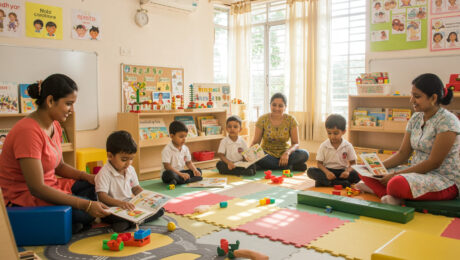
The issue of who will take care of the child during the day is among the most significant concerns of many parents who are just getting back to work or those who have a hectic schedule.
Convenience is not the only factor to consider when choosing a daycare center. It is all about making sure your child receives a safe, nurturing, and stimulating environment where they can grow, learn, and have lifelong confidence.
Day care centers are essential in a busy city such as Noida, where families are at work and do not have time to look after children. Little Scholar Noida is one of them, and its considerate attitude to early learning and childcare deserves a mention. The programs in this case are aimed at helping the children in their most key developmental stages. For many parents, finding a reliable day care center in Noida can be the first step toward a balanced family and work life.
What a Good Daycare Center Essentially Is
A day care center is the first step for a child out of the house. It is the initial stage that they play, socialize, and start to learn the surrounding world. It is a place where they are taught how to make friends, share, be understanding, and take their first steps to independence.
However, day care centers are not all alike. A good day care center is not just one that keeps kids busy. It serves to make them develop in all aspects.
- Emotional Development: Nurturant teachers make the children aware of their emotions and help them know how to cope with their feelings. They console them when they feel homesick and motivate them when they are gaining ground.
- Cognitive Development: Puzzles, interactive and storytelling, arouse curiosity, creativity, and problem-solving.
- Social Skills: Interaction with peers on a regular basis teaches children how to respect, cooperate, and communicate.
- Exercise: Open and safe playgrounds aid in developing coordination, strength, and confidence.
To working parents, it is comforting that their child is at a child day care center where both care and learning are not compromised.
The Actual Distinction between Daycare
The two main factors that parents tend to follow when they come to day care centers are safety, cleanliness, and amiable personnel. These are necessary, but outstanding day care centers go beyond these. They provide the feeling of belonging to all children.
In Little Scholar Noida, supervision is not the only concern, but there is also a focus on engagement. The teachers are also trained on how the children socialize, react, and learn in order to make the activities suit them. Such personal attention makes all the children feel noticed, known, and appreciated.
A good day care center provides a balance between structure and flexibility as well. Excess rigidity stifles creativity, and excessive leniency may result in confusion. The balance is right because it allows for a child with a sense of freedom to explore and express themself.
Learning Through Play
A good day care center is not just a supervision facility, as daycare usually seems to be. It is the initial learning place of a child. This is based on play-based learning since children explore and understand the world through play.
Children at this age take everything they watch, hear, and feel. Various skills are developed in a curriculum with stories, music, art, and outdoor play. In Little Scholar Noida, there is no pressure in early education. It is concerned with the invention of curiosity in daily experiences.
Reading a story or singing a rhyme assists in the construction of language and memory when done by a teacher. Teamwork and patience are learnt through group games. Even snack time is an opportunity to learn how to act independently and gain social skills.
The Social Connection
Friendship starts at a day care center for the majority of the kids. Premarital social interactions contribute substantially to emotional and communication development. Children are taught to cooperate, listen, and share in a caring and inclusive environment. In minor disagreements, they develop empathy by being assisted by the teachers to settle them. Such a premature social confidence is built to be the basis of later success in learning.
At Little Scholar Noida, small groups are merged with individual consideration. This assists the children in belonging to a group and enhances their different personalities.
Safety and Comfort
Peace of mind to parents will be to know that their child is safe, secure in mind and emotionally.
Safety is not simply enclosed doors or sanitary play areas. It entails emotional well-being.
In Little Scholar Noida, the caregivers are trained to cope with the separation anxiety and comfort the children to help them feel at home amid a loving and calm environment.
They realize that each child has a different way of expressing feelings and varies in the way they take care of the child. Both known faces and routine and pleasant communication make kids feel at home.
Noida Daycare: How to Select the Best Daycare
Noida has many alternatives, and it is easy to get confused when trying to select the best day care center. The following is just a basic checklist that can allow parents to make a reliable decision:
- Safety: Does it have access control and supervision?
- Qualified Staff: Do teachers undergo early childhood care and first aid training?
- Cleanliness: Does it have clean and hygienic play and eating spaces?
- Curriculum: Does the center have structured learning in the form of play?
- Parent Communication: Do you receive frequent updates concerning the child?
The parents are also encouraged to visit and be involved in a reliable day care center, such as Little Scholar Noida. The closer the parents are, the more confident they become.
The Long-term Effects of Quality Daycare
The advantages of a good day care center will extend way beyond the early years. Studies indicate that children who are enrolled in nurturing day care centers enter school with improved social skills, emotional balance, and concentration.
They adjust better to new surroundings, are routine-bound, and associate well with other people. These skills precondition their success in their studies and in life. In Little Scholar Noida, lifelong learning starts at a tender age in a caring, nurturing, and inspiring atmosphere.
FAQs
1. What is the significance of taking the right day care center for the development of my child?
Good day care centers promote emotional, mental, and social development in a secure and nurturing environment. It will assist in making children self-confident, independent, and curious learners.
2. Which type of daycare is most suitable for working parents?
Select a day care center that has malleable hours, qualified personnel, and a combination of learning and play. This will make sure that your child is being taken care of and kept busy during the day.
3. What are parents supposed to look at during the selection of a daycare in Noida?
The most important ones are safety, staff qualification, hygiene, curriculum, and open communication. A visit to the day care center in Noida would make parents know whether it is the right place to leave their child.
- Published in Top Play School