
Art and Craft for Kindergarten: Building Confidence and Essential Early Learning Skills
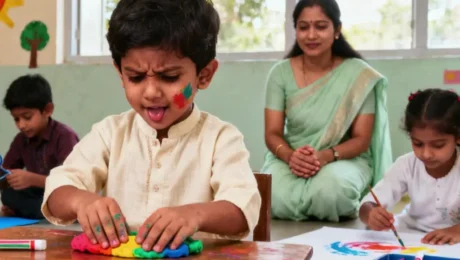
If you stand quietly outside a kindergarten classroom at Little Scholar Noida, the first thing you notice isn’t noise. It’s the focus. A child bending close to paper. Another pressing clay between small fingers with complete seriousness. There is no audience here. Just effort. At this stage, art and craft for kindergarten isn’t decorative. It’s personal.
Parents sometimes look for measurable outcomes when they visit schools. They ask about reading levels or number recognition. Those questions matter. But what often gets missed is how deeply early creativity influences those later milestones. The child who learns to persist through a tricky craft task is learning more than technique. They are learning how to stay with a challenge.
Beyond Decoration: The Real Purpose of Art
A wall filled with painted shapes can look cheerful, but the real work happened before the display. It happened when a child decided which colour to choose. When they realised glue spreads differently than paint. When they adjusted after tearing paper too quickly.
A thoughtful art and craft for kindergarten sessions gives children space to make those decisions themselves. Not every edge needs correction. Not every line needs to be straight. What matters is that the child experiences the process fully.
In some classrooms, finished pieces look identical. In others, they are wildly different. The second approach often signals that art and craft for kindergarten is being used as a thinking tool, not a copying exercise.
The Confidence That Comes from Making
Young children are acutely aware of what they can and cannot do. When they complete something with their own hands, the satisfaction is visible. It may not be loud, but it is steady.
Within art and craft for kindergarten, children confront small frustrations regularly. Scissors slip. Paint spills. Clay cracks. What happens next is important. Do they give up? Or do they try again?
Teachers who allow retrying without rushing in build resilience. Confidence at five does not come from applause. It comes from repetition.
Expression Without Pressure
Children often express ideas in fragments. Sometimes a drawing explains more than a sentence can. That is where art and craft activities for kindergarten serve an essential role.
A child drawing a crowded birthday scene might be processing excitement. Another drawing of careful rows of trees might be drawn in order. These details are not always dramatic, but they are revealing.
In classrooms where art and craft for kindergarten is valued, teachers observe without over-directing. They allow expression to unfold naturally. There is guidance, but not control.
Building Skills Through Texture and Tools
Fine motor control develops quietly. It strengthens through holding brushes, folding paper, threading beads, and pressing clay.
An effective art and craft for kindergarten programme uses materials deliberately. Not for spectacle, but for skill. Clay builds strength in fingers. Tearing paper develops grip variation. Painting across a wide surface encourages shoulder movement.
Parents often associate writing readiness with tracing letters. Yet the groundwork lies here, in these repeated hand movements.
Social Learning Through Shared Creation
Creative work rarely happens alone in kindergarten. Tables are shared. Materials are limited. Conversations happen mid-task.
During art and craft for kindergarten sessions, children practise negotiation without realising it. Who gets the blue crayon first? Can we share the glitter? These are not dramatic conflicts, but they teach patience.
Teachers who step back slightly allow children to navigate these moments. That balance between supervision and independence shapes social growth.
Also Read: Kindergarten Graduation Day: More Than Caps, Gowns, and Photos
Routine and Structure in Creative Work
Creativity flourishes inside predictable boundaries. In structured classrooms, children know the sequence: introduction, making, clean-up.
Routine helps children settle. When art and craft for kindergarten follows a steady rhythm, children relax into the process. They are not wondering what comes next. They are absorbed in what is happening now.
Clean-up is part of learning. Returning brushes. Stacking papers. These small acts build responsibility.
Observing Growth Over Time
If you compare a child’s drawing from the first week of school to one from mid-year, the difference can be subtle but telling. Lines become steadier. Shapes become intentional. Colour choices shift from random to deliberate.
Art and craft for kindergarten provides a visible timeline of development. Not competitive comparison, but individual progression.
Parents who pay attention to this gradual evolution understand that growth at this age is rarely dramatic. It accumulates.
Choosing the Right Environment
For families in Noida evaluating kindergartens, creative sessions offer insight into philosophy.
Are children allowed to experiment, or are they guided step-by-step toward uniform results?
Does the room feel calm during art time, or chaotic? Are teachers patient when something goes wrong?
A school that integrates art and craft for kindergarten meaningfully does not treat it as filler between “serious” lessons. It recognises that creativity strengthens concentration, patience, and problem-solving.
The Bigger Picture
Kindergarten should not feel like rehearsal for academic pressure. It should feel like preparation for participation.
When art and craft for kindergarten is given space and respect, children learn to approach tasks with curiosity rather than fear. They understand that mistakes can be corrected. That effort has value. That ideas can be expressed safely.
Those habits carry forward. Into reading. Into numbers. Into group work. The skills built at the art table rarely stay there.
For parents considering Little Scholar Noida, creative learning is not an extra. It is an indicator of how seriously the school takes early development.
- Published in Top Play School
Activity for Nursery Class: Building Foundations Through Play and Routine
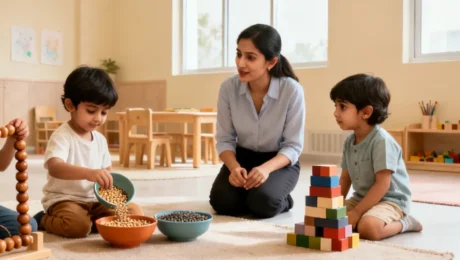
Walk into the nursery wing at Little Scholar Noida and you won’t find children bent over paper for long stretches. What you will see is motion, small hands stacking, sorting, pouring, arguing softly over who gets the red crayon. At this age, a well-planned activity for nursery class does far more than fill time. It sets the emotional tone of the school itself.
Parents often assume learning must look serious to be meaningful. Nursery classrooms quietly challenge that assumption. The real work happening here isn’t about early academics. It’s about orientation, helping children understand how to function in a shared space without feeling lost.
The Purpose Behind Every Activity
In early classrooms, intention hides inside simplicity. A tray of beads may look ordinary. But when a teacher places it carefully and allows children to thread at their own pace, that activity for nursery class is building finger strength, patience, and concentration in one sweep.
Not every moment needs to be explained aloud. Children this age learn by doing, not by listening to lengthy instructions. The best activity for nursery class invites participation without demanding perfection.
Parents evaluating nursery programmes sometimes ask for structured outlines. That’s reasonable. But what matters more is how activities unfold. Is there space for hesitation? Do teachers step in immediately, or allow a child to struggle briefly before helping? Those decisions shape resilience.
Simplicity Often Works Best
There is a quiet confidence in choosing an easy activity for nursery class and trusting it to work. Consider something as basic as transferring grains from one bowl to another. It appears repetitive. Yet repetition builds control. Control builds confidence.
Complexity, especially at this age, can overwhelm. Children thrive when they know what to expect. When a familiar activity for nursery class appears again, they approach it differently each time. A small improvement becomes a visible achievement.
Parents may not always recognise these incremental gains. Teachers do. That is where expertise lies, in seeing progress before it becomes obvious.
Language Development Through Play
Language doesn’t arrive fully formed. It grows through rhythm and repetition. An effective english activity for nursery class might involve acting out a short story rather than reading it straight through. Children absorb tone long before grammar.
In many nursery rooms, you’ll hear fragments of sentences, not perfect, but brave. The right activity for nursery class in language makes children comfortable enough to try.
Correcting too early can silence enthusiasm. Encouraging expression first, refinement later, that sequence matters. Parents observing a classroom should notice whether children speak freely or wait to be called upon.
Also Read: Affordable Pre School in Noida: How to Balance Cost, Care, and Quality Early Learning
Early Numeracy Without Anxiety
Numbers, when introduced carefully, feel natural. A practical maths activity for nursery class may not involve written numerals at all. Counting steps as children line up. Matching objects in pairs. Sorting by size without naming it as “math.”
Children understand patterns before they understand terminology. A thoughtfully designed activity for nursery class introduces quantity as part of daily life, not as a separate subject.
Anxiety around numbers usually begins when learning feels evaluative. In nursery, the goal is familiarity. When numbers appear casually and repeatedly, they become friendly rather than intimidating.
Movement and Coordination
Stillness is not the default state for four-year-olds. Nor should it be. Physical movement is not separate from learning; it anchors it.
An activity for nursery class that involves hopping between coloured circles or balancing along a taped line on the floor develops coordination, yes, but also attention. When children focus on controlling their bodies, they are practising self-regulation.
Music and movement sessions are often where you see the most authentic joy. Energy, when guided instead of suppressed, turns into focus later.
Social Learning Embedded in Activities
Some of the most important lessons in nursery are unplanned. Who waits. Who insists. Who negotiates. A shared activity for nursery class exposes children to difference, different temperaments, different speeds, different reactions.
Teachers do not eliminate every disagreement. They moderate it. Learning to recover from small conflicts prepares children for more complex environments later.
Parents sometimes underestimate how significant this stage is socially. The ability to function in a group begins here, quietly.
The Role of Routine
Routine, at nursery level, is less about discipline and more about reassurance. When children know what follows circle time, they relax. When transitions happen consistently, anxiety reduces.
Each activity for nursery class fits within this broader rhythm. Snack time. Play time. Story time. The order becomes predictable, even when the content shifts.
Predictability builds security. Security supports participation.
What Parents Should Look For
During school visits, it helps to observe not only the activity itself but the response around it.
Does the room feel tense or steady?
Are teachers speaking over children, or with them?
Do children appear absorbed, or distracted?
A meaningful activity for nursery class does not require constant adult correction. It holds attention naturally.
Parents should also notice how teachers respond to different personalities. Some children dive in immediately. Others stand back. Flexibility in approach reflects understanding.
The Bigger Picture
Nursery education is often misunderstood as preparation for formal schooling. It is better understood as preparation for participation, in conversation, in routine, in shared space.
When each activity for nursery class is chosen with intention rather than urgency, children begin associating school with curiosity rather than pressure.
For families in Noida, the most suitable nursery environment is one where activities feel balanced, neither chaotic nor rigid. Where engagement is encouraged, not forced. Where children leave not exhausted, but satisfied.
That steady beginning makes everything that follows easier.
- Published in Top Play School
Active Indoor Games for Preschoolers: What Actually Works When Kids Are Stuck Indoors
Anyone who has spent time with preschoolers knows one thing very clearly. They don’t stop moving just because they’re indoors. If anything, they move more. Chairs turn into obstacles, floor mats become jumping spots, and silence disappears very quickly. This is where active indoor games for preschoolers stop being a “nice idea” and start becoming necessary.
Indoor movement is not about tiring children out. It’s about giving their energy somewhere sensible to go. When that doesn’t happen, attention drops, frustration builds, and even simple tasks feel harder than they should. Thoughtfully planned active indoor games for preschoolers help prevent that spiral before it starts.
Why Preschoolers Need Movement Even Indoors
Preschool children are still learning how their bodies work. Balance, coordination, and control don’t develop by sitting quietly. They develop through repeated movement. This is why active indoor games for preschoolers support learning in ways worksheets never will.
Children who move regularly indoors tend to:
- Settle faster after play
- Listen longer during group time
- Handle transitions more calmly
These are not dramatic changes, but they add up over the day. This is one reason many early educators rely heavily on active indoor games for preschoolers during long indoor stretches.
Indoor Play Is Not Just Random Running
There is a big difference between chaos and purposeful movement. Active indoor games for preschoolers work best when they have just enough structure.
That structure might look like:
- A clear start and stop
- One simple rule
- A defined space
Children don’t need complicated instructions. They need predictability. This same approach carries into indoor games for kindergarten, where children are expected to manage slightly longer activities with similar boundaries.
What These Games Look Like in Real Classrooms
Most active indoor games for preschoolers are built from very ordinary things. Tape on the floor. Chairs pushed aside. A soft ball. Music that starts and stops.
You might see children:
- Walking along a taped path
- Crawling under tables
- Rolling a ball back and forth
- Freezing when music stops
None of this looks impressive on paper. But it works. These are the kinds of game ideas for kids that survive because children actually enjoy them.
Movement and Learning Are Connected
Children don’t separate movement from thinking. Adults do. During active indoor games for preschoolers, children are learning constantly, even when no one is “teaching”.
They practice:
- Listening to instructions
- Remembering sequences
- Waiting for turns
- Adjusting speed and space
This is why many teachers schedule active indoor games for preschoolers before quieter activities. Movement prepares the brain for focus.
Emotional Regulation Happens Through Motion
Preschool emotions rise quickly and fall slowly. A small disappointment can turn into tears in seconds. Active indoor games for preschoolers help children release emotional energy before it spills over.
After movement, children are often:
- Less reactive
- More cooperative
- More open to guidance
This effect is subtle but consistent. It’s one of the strongest reasons indoor movement matters.
The Adult’s Role During Indoor Games
During active indoor games for preschoolers, adults are not referees. They are anchors.
They:
- Demonstrate movements instead of explaining too much
- Watch for signs of overload
- Step in calmly when needed
- Let children try again without correction
This approach keeps games inclusive. Children who hesitate are not pushed. Children who rush are gently slowed.
Planning Without Overplanning
One mistake adults often make is adding too many activities. Active indoor games for preschoolers don’t need variety every five minutes.
A good indoor session usually includes:
- One energetic game
- One slower movement
- A calm transition
This rhythm prevents exhaustion and overstimulation. Many effective game ideas for kids fail simply because they are stacked too tightly.
Adapting for Different Children
Not all preschoolers move the same way. Some jump immediately. Some watch first. Some repeat the same movement over and over. Active indoor games for preschoolers need space for all of this.
Teachers often allow:
- Partial participation
- Shorter turns
- Observation before joining
This flexibility is also what makes the transition to indoor games for kindergarten smoother later on.
Social Skills Grow Quietly Here
During active indoor games for preschoolers, children learn how to exist in a group without being told.
They learn:
- How close is too close
- When to wait
- How to follow group cues
These lessons don’t come from explanation. They come from repetition.
Why These Games Stay With Children
Children may not remember rules, but they remember how something felt. Active indoor games for preschoolers often become part of the day that children talk about later.
They remember:
- Laughing
- Succeeding
- Being included
This is why simple, familiar game ideas for kids often matter more than new or creative ones.
Also Read: Craft Activities for Preschoolers: What We See Every Day at Little Scholar
Indoor Games Are Not a Backup Plan
Indoor movement is sometimes treated as second best to outdoor play. It shouldn’t be. Active indoor games for preschoolers develop control, awareness, and listening in ways outdoor play sometimes doesn’t.
Both are needed. One does not replace the other.
Final Thought
Good indoor movement doesn’t try to impress. It tries to support. Active indoor games for preschoolers work best when they feel natural, repeatable, and calm.
They don’t solve everything. But they make the day easier. And in early childhood education, that matters more than most people realise.
- Published in Top Play School
Craft Activities for Preschoolers: What We See Every Day at Little Scholar

If you ever sit inside a preschool classroom for even ten minutes, you will understand why craft activities for preschoolers matter so much. Not because of the result pinned on the wall, but because of what happens while children are making it.
A child pauses before choosing a colour. Another presses the glue too hard and looks surprised. Someone asks for help. Someone else insists they can do it alone. These moments are small, but they are full of learning.
At Little Scholar, this is exactly how we look at craft activities for preschoolers. Not as artwork, but as quiet growth happening in real time.
Why Craft Feels Right for This Age
Preschoolers are not meant to sit and listen for long. They are meant to move, touch, test, and try again. That is why craft activities for preschoolers feel so natural. There is no pressure to be right. There is only curiosity.
When children are allowed to experiment and play with paper, colours, and simple materials, something shifts. They slow down. They focus. They forget that adults are watching.
Teachers at Little Scholar often notice that children who speak very little during circle time express themselves freely during craft. For some children, this is where confidence quietly begins.
What Craft Looks Like at Little Scholar
One thing parents notice quickly is that craft activities for preschoolers at Little Scholar do not follow a fixed template. There is no “everyone’s sun must look the same” rule. Instead, teachers observe and support.
During craft time, you might see:
- One child working carefully for a long time
- Another finishing quickly and starting again
- Someone changing their mind halfway
- Someone asking questions instead of following steps
All of this is allowed. All of this is learning.
This approach makes craft activities for preschoolers feel safe rather than demanding.
Also Read: Early Childhood Education: Giving Young Minds the Start They Deserve
Learning That Happens Without Teaching
Parents often ask what children actually learn from craft activities for preschoolers. The answer is obvious, but it is powerful.
Children slowly develop:
- Control over their fingers and hands
- The ability to stay with one task
- Comfort in making choices
- The habit of trying again when something does not work
These skills support writing, reading, and classroom readiness later on, without being forced too early.
Simple Materials, Real Engagement
At Little Scholar, craft activities for preschoolers rarely depend on expensive supplies. Teachers use what is familiar and easy for children to relate to.
Common materials include:
- Scrap paper and old magazines
- Leaves, twigs, cotton, and seeds
- Cardboard boxes and paper rolls
- Crayons, paints, glue, and tape
Children learn that creativity does not come from buying things. It comes from using what is around them.
Keeping Craft Simple on Purpose
Preschoolers have short attention spans, and that is okay. That is why craft activities for preschoolers are kept short and flexible. A handprint, a paper collage, or tearing and pasting shapes is often enough. This kind of activity is an easy craft activity for preschoolers because it allows success without frustration.
At Little Scholar, craft often connects to what children are already talking about. A story read in class. A festival coming up. A colour being explored that week. This makes the activity feel meaningful instead of random.
Craft and Emotions
Sometimes children show their feelings through craft before they can explain them. Craft activities for preschoolers give space for that expression. A child might work quietly one day and talk endlessly the next. Another might use the same colour again and again. Teachers notice, but do not interrupt.
This gentle observation helps children feel accepted. Over time, they learn that their feelings are allowed.
Learning to Be Around Others
Craft time is social, even when children are focused. During craft activities for preschoolers, they naturally interact.
They learn to:
- Wait for glue or scissors
- Share space at the table
- Respect someone else’s work
At Little Scholar, teachers encourage small conversations without forcing them. These moments build comfort in group settings.
Craft as Part of the Day
Children feel safer when the day has rhythm. Craft activities for preschoolers are part of a predictable routine at Little Scholar. When children know that creative time comes after stories or before lunch, they settle more easily. They know what to expect. This sense of routine helps children focus and feel calm.
What Teachers Actually Do During Craft
During craft activities for preschoolers, teachers at Little Scholar are quietly present. They do not hover, but they do not disappear either.
They:
- Step in when frustration appears
- Step back when confidence grows
- Encourage effort, not neatness
This balance is important. It tells children that support is available, but independence is respected.
Bringing Craft Home Without Pressure
Parents often worry about doing crafts “correctly” at home. There is no correct way. Craft activities for preschoolers at home should feel relaxed.
A few helpful ideas:
- Keep materials simple
- Let children decide what they want to make
- Avoid fixing their work
- Ask them to talk about it instead
Trying an easy craft activity for preschoolers at home can be a quiet way to connect without screens or instructions.
Why Craft Matters Beyond Preschool
In the early years, learning should feel gentle. Craft activities for preschoolers support that idea perfectly. They teach patience, focus, expression, and self-trust without lectures or tests. At Little Scholar, craft is not treated as a filler activity. It is part of how children slowly learn who they are.
Final Thought
Children may not remember the exact craft they made, but they remember how it felt to be trusted. Through thoughtful craft activities for preschoolers, Little Scholar creates moments where children feel capable, calm, and proud. Those feelings stay long after the glue dries.
- Published in Top Play School
A Parent’s Honest Guide to Kindergarten in India
If you’re a parent, you already know this moment comes sooner than expected. One day your child is wobbling around the house with a toy in hand, and suddenly you’re looking for the right kindergarten in India where they’ll take their first real steps into the world.
Most parents we meet at Little Scholar share the same feelings. Excitement. Worry. Pride. A little fear. And a whole lot of hope. Choosing a school is not just about academics. It’s about handing your child to people you trust, in an environment that understands who they are.
This guide is written with that same emotion. No complicated jargon, no perfect sounding promises. Just a clear, honest look at what kindergarten really means today.
What Kindergarten in India Is Supposed to Feel Like
Over the years, the idea of kindergarten in India has shifted from being a formality to becoming one of the most important phases of childhood. It’s no longer a place where children sit in one spot and repeat alphabets. Instead, it’s a space where they explore, make friends, express themselves and slowly understand the world around them.
Most schools divide the early years into Pre KG or Nursery, followed by LKG and UKG. But the real purpose of this stage is simple. Children learn to adjust, follow a routine, listen, communicate and enjoy discovering new things. When done right, kindergarten becomes the heart of early development, not a race to finish worksheets.
And that’s why a good kindergarten in India focuses on experiences over pressure.
Also read: Early Childhood Education: Giving Young Minds the Start They Deserve
Pre KG: What It Really Means for Your Child
Parents often ask us what Pre KG is actually for. The pre kg full form is pre kindergarten, but what matters more is the feeling behind it. It’s the phase where children get used to being away from home while still feeling safe and cared for.
Schools usually follow the recommended pre kg age of around two and a half to four years. At this age, kids don’t need textbooks. They need patient adults, predictable routines and plenty of play.
At Little Scholar, Pre KG feels more like a gentle introduction to the world. Children start with simple routines, short activities and lots of hands-on fun. Daily pre kg activities include storytelling, messy play, music sessions, building blocks, painting and outdoor time. These are intentionally small experiences, but they make a big difference in communication, confidence and independence.
Why Kindergarten in India Shapes So Much of Who Kids Become
A well designed kindergarten in India doesn’t try to hurry learning. Instead, it helps children grow in all directions. The skills they build here stay with them long after they leave kindergarten.
Here’s what really develops during these years:
Social readiness
Children learn how to share, wait for their turn, speak up, listen to others and handle small disagreements without breaking down.
Early language and expression
Through stories, songs and conversations, children naturally pick up vocabulary and learn how to express their thoughts.
Thinking skills
Recognising patterns, counting objects, sorting things, connecting cause and effect. These small discoveries build early problem solving abilities.
Physical confidence
Running, climbing, threading beads, holding crayons. All these everyday actions help children strengthen their bodies and coordination.
Emotional maturity
Children learn how to calm themselves, feel proud of small achievements and handle new situations with more courage.
This is why kindergarten in India has moved beyond just academics. It’s about building the whole child.
Celebrations That Stay in a Child’s Memory Forever
Ask any child what they loved most, and they’ll talk about celebrations. There are so many special days to celebrate in kindergarten in India, and each one has a charm of its own.
At Little Scholar, celebrations feel alive. Not fancy, not complicated. Just simple, meaningful experiences that stay with children.
- Festivals become colorful stories
- National days become lessons in belonging
- Theme days make learning fun and visual
- Grandparents Day and Teachers Day teach children to appreciate the people who care for them
- Earth Day teaches them to look after nature with small actions
These celebrations add a heartbeat to kindergarten in India. They make school feel like a place of joy, not just learning.
Why Parents Feel Comfortable Choosing Little Scholar
Every school promises something. But parents choose Little Scholar because the environment feels real. Here, teachers greet children by name. Children walk in with excitement instead of fear. And learning unfolds naturally, not forcefully.
For families searching for a warm, dependable kindergarten in India, Little Scholar offers:
- Teachers who understand child behavior at a personal level
- A learning approach that mixes play, structure and creativity
- A safe environment where every child feels seen
- Activities that make children curious rather than anxious
- Celebrations that build memories
- A smooth journey from Pre KG to LKG and UKG
Most importantly, the school feels like a second home. Parents feel it. Children feel it. Teachers feel it.
What Children Actually Learn in Kindergarten
Throughout their time in kindergarten in India, children at Little Scholars slowly build skills that prepare them for primary school without losing their natural joy.
They learn:
- Letter sounds through stories and conversations
- Early writing skills through guided activities
- Number sense through hands on exploration
- Art, music and creative expression
- Teamwork through group tasks
- Confidence through simple presentations and show and tell
- Responsibility through small routines like packing bags or tidying up
By the end of UKG, children are ready for the next stage both emotionally and academically.
A Gentle Closing Thought
Choosing a school is an emotional decision. And it should be. You’re choosing the place that will hold your child for the first time outside home. If you’re looking for a kindergarten in India that values childhood as much as academics, Little Scholar Noida is a space where children feel loved, understood and free to grow at their own pace.
- Published in Top Play School
Kindergarten Curriculum: Helping Little Minds Grow at Little Scholar Noida
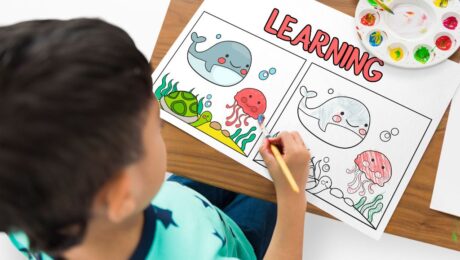
Kindergarten is that moment when kids step out of their comfort zone and into a bigger world. New faces. New rules. New adventures every single day. And the kindergarten curriculum determines whether they feel excited or overwhelmed.
At Little Scholar Noida, the idea is simple. Make children curious. Make them confident. Let them enjoy learning rather than fear it.
Parents who come to visit often notice something very quickly. Children are genuinely happy here. They laugh. They participate. They want to show what they are doing. That joy is the first sign of a strong kindergarten curriculum.
Why the Kindergarten Curriculum Matters
Kids at this age are like detectives. They notice everything. They ask the funniest questions. They want to try everything adults tell them not to touch.
So the kindergarten curriculum should encourage this. Don’t shut it down.
A good program gives kids room to figure things out. It teaches them to speak up. It makes them love learning so much that school feels like a place of discovery, not discipline.
That is what Little Scholar focuses on. Kids learn because they want to. Not because someone is forcing them.
What Children Learn Here
The kindergarten curriculum is built around one big idea. Help children grow in every direction. Not only academically.
Language and Communication
Kids learn phonics, new words, and storytelling. They get better at expressing what they think and feel. The best part is when they start reading tiny books and suddenly believe they can take on the world.
Numeracy and Logical Thinking
Counting games. Shapes hidden in puzzles. Small challenges that make numbers fun. Math stops feeling scary before it even gets the chance to become frightening.
Creative Expression
Art, music, dance, and pretend play open up new ways to communicate. Some kids talk. Some kids draw. Some perform a full drama before saying a single word. Every style is welcome.
Physical Development
Outdoor play and movement activities give children the confidence to run, climb, and laugh without fear. They learn what their body can do and how to care for it.
Social and Emotional Learning
Sharing toys, apologising without tears, and handling frustration when the block tower falls. These tiny battles build patience and kindness. Children learn how to be good friends and express their feelings without breaking down.
Environmental Awareness
Kids learn about trees, animals, weather, and people around them. They become curious about the world instead of confused by it.
How Little Scholar Brings This to Life
A curriculum only works when teachers care. And here, they do.
- Kids learn through play
- Activities are always hands-on
- Smart classes are correctly used, but never replace human connection
- Classrooms are clean, colourful, and safe
Children grow through small wins each day. A new word spoken. A new friend was made. A puzzle finally solved. The kindergarten curriculum creates these wins daily.
What Parents Notice First
Their child becomes more confident. They start talking more. They start asking a hundred questions. They try to dress themselves. They recognise letters and numbers. They begin to enjoy routines. Even shy children slowly bloom.
Basically, parents see their tiny human becoming independent right before their eyes. It feels emotional because you realise how quickly they are growing.
The Real Challenges Parents Worry About
Every child is different. Some run into the classroom from day one. Some hold your hand a little longer. The kindergarten curriculum here understands that.
Nobody compares children to each other. Teachers move at each child’s speed. And parents stay involved, not sidelined.
Many families today even explore ideas like the best kindergarten homeschool curriculum before choosing a school. When they visit Little Scholar Noida, they find a place that provides children with structure, warmth, and the chance to learn socially. All the things that are hard to recreate at home.
How Parents Stay Connected
- Regular updates
- One-on-one communication whenever needed
- Simple home activities to reinforce learning
- Support from teachers in challenging phases
You never feel like you are out of the loop. You always know how your child is doing.
How Little Scholar Stands Out
Some preschools focus only on the ABCs. Some only on playtime. Little Scholar finds the balance. Kids learn to read. They also learn to express feelings. They learn to ask why. They learn to care about others.
Skills like these matter much longer than marks ever will.
What You Should Look for as a Parent
If you are visiting schools, trust your instincts when you walk in. Also, check a few things:
- Are teachers kind and patient
- Is the environment clean and safe
- Is learning happening through play
- Do parents get regular communication
- Are routines healthy and comforting
If the answer is yes, you have probably found the right place.
Childhood is short. It should feel happy. A strong kindergarten curriculum lays the foundation for everything that follows. It helps children walk into first grade with curiosity instead of fear.
At Little Scholar Noida, every day is designed to make children feel capable, brave, and excited about learning. Parents get peace of mind. Kids get a world full of discovery. You see them grow into who they are meant to be. And you feel proud of how far they have come.
FAQs
1. What is included in the kindergarten curriculum at Little Scholar Noida?
It includes language development, early numeracy, creative arts, physical play, and social-emotional learning. Everything is taught through real experiences, so children enjoy learning and stay curious.
2. How does Little Scholar support parents during the kindergarten year?
Parents receive regular updates, personal feedback, and simple home activities. You always stay connected to your child’s growth.
3. How is this better than the best kindergarten homeschool curriculum?
Homeschooling has its place. But here, children learn to share, communicate, and solve problems with friends. This social learning is an integral part of a strong kindergarten curriculum and builds confidence for life.
- Published in Top Play School
The Significance of a Good Day Care Center to Early Childhood Development
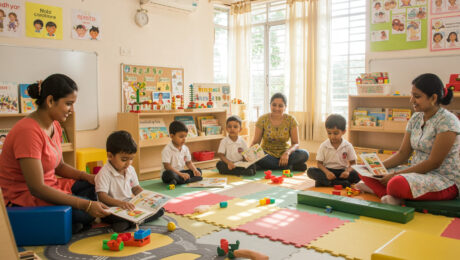
The issue of who will take care of the child during the day is among the most significant concerns of many parents who are just getting back to work or those who have a hectic schedule.
Convenience is not the only factor to consider when choosing a daycare center. It is all about making sure your child receives a safe, nurturing, and stimulating environment where they can grow, learn, and have lifelong confidence.
Day care centers are essential in a busy city such as Noida, where families are at work and do not have time to look after children. Little Scholar Noida is one of them, and its considerate attitude to early learning and childcare deserves a mention. The programs in this case are aimed at helping the children in their most key developmental stages. For many parents, finding a reliable day care center in Noida can be the first step toward a balanced family and work life.
What a Good Daycare Center Essentially Is
A day care center is the first step for a child out of the house. It is the initial stage that they play, socialize, and start to learn the surrounding world. It is a place where they are taught how to make friends, share, be understanding, and take their first steps to independence.
However, day care centers are not all alike. A good day care center is not just one that keeps kids busy. It serves to make them develop in all aspects.
- Emotional Development: Nurturant teachers make the children aware of their emotions and help them know how to cope with their feelings. They console them when they feel homesick and motivate them when they are gaining ground.
- Cognitive Development: Puzzles, interactive and storytelling, arouse curiosity, creativity, and problem-solving.
- Social Skills: Interaction with peers on a regular basis teaches children how to respect, cooperate, and communicate.
- Exercise: Open and safe playgrounds aid in developing coordination, strength, and confidence.
To working parents, it is comforting that their child is at a child day care center where both care and learning are not compromised.
The Actual Distinction between Daycare
The two main factors that parents tend to follow when they come to day care centers are safety, cleanliness, and amiable personnel. These are necessary, but outstanding day care centers go beyond these. They provide the feeling of belonging to all children.
In Little Scholar Noida, supervision is not the only concern, but there is also a focus on engagement. The teachers are also trained on how the children socialize, react, and learn in order to make the activities suit them. Such personal attention makes all the children feel noticed, known, and appreciated.
A good day care center provides a balance between structure and flexibility as well. Excess rigidity stifles creativity, and excessive leniency may result in confusion. The balance is right because it allows for a child with a sense of freedom to explore and express themself.
Learning Through Play
A good day care center is not just a supervision facility, as daycare usually seems to be. It is the initial learning place of a child. This is based on play-based learning since children explore and understand the world through play.
Children at this age take everything they watch, hear, and feel. Various skills are developed in a curriculum with stories, music, art, and outdoor play. In Little Scholar Noida, there is no pressure in early education. It is concerned with the invention of curiosity in daily experiences.
Reading a story or singing a rhyme assists in the construction of language and memory when done by a teacher. Teamwork and patience are learnt through group games. Even snack time is an opportunity to learn how to act independently and gain social skills.
The Social Connection
Friendship starts at a day care center for the majority of the kids. Premarital social interactions contribute substantially to emotional and communication development. Children are taught to cooperate, listen, and share in a caring and inclusive environment. In minor disagreements, they develop empathy by being assisted by the teachers to settle them. Such a premature social confidence is built to be the basis of later success in learning.
At Little Scholar Noida, small groups are merged with individual consideration. This assists the children in belonging to a group and enhances their different personalities.
Safety and Comfort
Peace of mind to parents will be to know that their child is safe, secure in mind and emotionally.
Safety is not simply enclosed doors or sanitary play areas. It entails emotional well-being.
In Little Scholar Noida, the caregivers are trained to cope with the separation anxiety and comfort the children to help them feel at home amid a loving and calm environment.
They realize that each child has a different way of expressing feelings and varies in the way they take care of the child. Both known faces and routine and pleasant communication make kids feel at home.
Noida Daycare: How to Select the Best Daycare
Noida has many alternatives, and it is easy to get confused when trying to select the best day care center. The following is just a basic checklist that can allow parents to make a reliable decision:
- Safety: Does it have access control and supervision?
- Qualified Staff: Do teachers undergo early childhood care and first aid training?
- Cleanliness: Does it have clean and hygienic play and eating spaces?
- Curriculum: Does the center have structured learning in the form of play?
- Parent Communication: Do you receive frequent updates concerning the child?
The parents are also encouraged to visit and be involved in a reliable day care center, such as Little Scholar Noida. The closer the parents are, the more confident they become.
The Long-term Effects of Quality Daycare
The advantages of a good day care center will extend way beyond the early years. Studies indicate that children who are enrolled in nurturing day care centers enter school with improved social skills, emotional balance, and concentration.
They adjust better to new surroundings, are routine-bound, and associate well with other people. These skills precondition their success in their studies and in life. In Little Scholar Noida, lifelong learning starts at a tender age in a caring, nurturing, and inspiring atmosphere.
FAQs
1. What is the significance of taking the right day care center for the development of my child?
Good day care centers promote emotional, mental, and social development in a secure and nurturing environment. It will assist in making children self-confident, independent, and curious learners.
2. Which type of daycare is most suitable for working parents?
Select a day care center that has malleable hours, qualified personnel, and a combination of learning and play. This will make sure that your child is being taken care of and kept busy during the day.
3. What are parents supposed to look at during the selection of a daycare in Noida?
The most important ones are safety, staff qualification, hygiene, curriculum, and open communication. A visit to the day care center in Noida would make parents know whether it is the right place to leave their child.
- Published in Top Play School
Play school in Noida: Developing Young Minds at Little Scholar
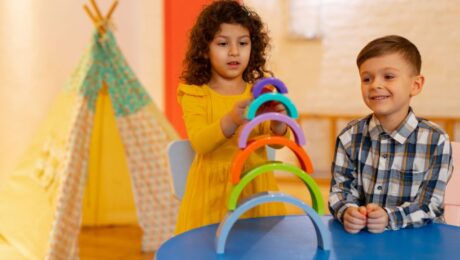
Choosing the right for your child’s first learning journey is an important decision. The cognitive, social and emotional aspects of development are predetermined by the early childhood years, making it essential to find the right environment. Noida, known for its strong educational environment, has a play school where children can explore, socialize, and build their confidence in a safe and fun setting.
Little Scholar school in Noida has become a well known name, offering programs for children from infancy through kindergarten. It centers on questioning, fantasies and general nurturing, and as no two children grow in similar ways, no two are taught in the same mode.
The significance of Early Childhood Education
Admission to a play school in Noida signifies the beginning of structured learning, while still allowing children the freedom to express themselves. Language, emotional intelligence, and motor skills are nurtured through art, music, and physical play activities.
In addition to that, group activities are used to establish empathy, collaboration and communication. Such basic skills are not only equipping the children to attend school, but also life, so as to make them confident, adaptive, and curious learners.
Available Programmes in Little Scholar Noida
In Little Scholar, programs are tailored to satisfy the needs of different age categories and make the process of learning fun.
Playgroup, Nursery and Kindergarten
The following programs are offered at a play school in Noida.Children are also introduced to structured activities in the playgroups in a gentle interactive approach, which is geared towards the development of motor skills, elementary language development, and socialization. Nursery programs build on the groundwork to the organized learning including identification of numbers, letters and shapes. Assessment Kindergarten lessons provide primary school based on a combination of problem-solving exercises, teamwork, and early literacy.
Creche and Daycare
Little Scholar offers creche and daycare services to infants and toddlers as a working parent, which will offer a safe and cozy experience to the child. The caregivers are worried about the comfort of the child and his or her health and early development. The children will be made to feel safe by individual care and encouraged to explore and develop cognitively, through thought provoking activities.
Activity Centers
Besides studies, the focus of the Little Scholar activity centers are on cognitive development, physical development, and social development. Children play, engage in music, dance and engage in creative arts which enable them to grow into being coordinated, expressive and confident. Such activities are an addition to the classroom learning, and this results into a holistic environment where children thrive.
Teacher Training
Good early education needs qualified teachers. Little Scholar is another company that also invests in teacher training programs, in which the staff members are trained on the current methods of child psychology, pedagogical methods, and managing the classroom. This will ensure that children receive good and interactive learning experience in a professional caring environment.
Attributes That Make Little Scholar the Best Play School in Noida
Noida has a range of play schools, and it might not be easy to pick the finest one. Numerous factors set Little Scholar apart:
- Skilled Personnel: qualified teachers will take each child through activities that are appropriate to their age and level of development.
- Planned Curriculum: A curriculum according to age pays attention to academics, social development, and physical development.
- Safe Environment: Locking down the premises, kid-friendly classroom facilities, and close monitoring are all that it takes to keep children safe.
- Whole Person Development: Whole Person Development: The activities take into account the whole person development, which involves cognitive, emotional, and physical development, as a result of which well-rounded people are formed.
- Parent Engagement: Openness and frequent communications assist parents to be aware and make their contributions towards the development of their child.
Play Based Learning; The Foundations of early learning
Play-based learning is one of the distinctions in a play school in Noida, like Little Scholar. Play is no longer recreation, but a significant learning activity, which is necessary in the acquisition of problem-solving skills, creativity, and social behaviour. In day-to-day responsibilities, with the introduction of games, puzzles, and hands-on activities, the teaching process of children would become easier and this would assist them in learning better and loving the learning aspect.
In the example case, the idea of spatial awareness and coordination is taught via a building block and language skills and emotional intelligence will be trained by using group storytelling. The experiences of art and music present the opportunities of self-expression, which turns out to be vital to confidence and self-differentiation.
Getting ready to attend Primary School
One of the significant objectives of early schooling is primary school readiness. Little Scholar Noida has programmes that help children become accustomed to classroom learning in a non-coercive manner. Numbers, letters, and simple reasoning are also introduced entertainingly and interactively, which will guarantee that the kids are prepared academically without losing their enthusiasm for learning.
The Social Interaction Role
Another important thing about early childhood education is socialization. A Noida play school also offers children a chance to share with others, learn to share, cooperate, and empathize. With the use of group activities and cooperative play, children learn how to communicate, resolve conflicts, and work as a team. The skills shape success in school and in life.
Parent-Teacher Collaboration
It is a good early learning environment that has parents as partners. Little Scholar promotes parent-teacher interaction by updating, conducting workshops, and interactive activities. Knowing the progress, difficulties, and achievements of a child enables the parents to facilitate learning at home, which enhances the gains that a child has acquired in school.
Amenities in Little Scholar Noida
The facilities are essential in improving learning. At Little Scholar, children are provided with:
- Healthy and challenging classrooms.
- Properly furnished music, art, and physical play areas.
- Physical fitness outdoor play areas.
- Educational toys and age-related learning materials.
Such facilities make sure that children have an enriching learning experience, and this makes Little Scholar one of the most well-known best play schools in Noida.
The role of the holistic development
The other aspect of holistic development is academics. The personality of the child is also developed through EI, social skills, athletic skill, and creativity. These are the dimensions that a play school in Noida like Little Scholar will cover, which will ensure that the children grow up becoming confident, understanding, and competent people.
The Ideal Play School was chosen
When deciding on a play school in Noida, the parents must inquire about the following:
- Quality of the curriculum: Age based, balanced, and stimulating programs.
- Educator Provenance: Proven and certified employees who are familiar with child development.
- Safety Precautions: Medical procedures, close monitoring and paranoid buildings.
- Facilities and Learning Materials: Accessibility of learning materials, play materials.
- Parental Interference: Co-ordination possibilities and frequent updates.
The right choice will be a good and enriching start of the educational journey of a child.
Conclusion
Early childhood education is a crucial component of life-long learning and personal growth. Little Scholar is a Noida based play school which provides caring and an exciting environment to children to play around, learn and gain the required skill in life. The schools offer a good balance between early education, which involves the play-based program, and formal learning programs and the close monitoring. Permanent differences in confidence, creativity, and interest in learning in a child can be achieved by the choice of the right institution.
FAQs
1. What is the age of attending a play school in Noida?
Play schools are common among children between the ages of 1.5 and 5 years. The playgroup, nursery, and kindergarten programs are designed based on the different developmental stages, and thus learning is age-specific.
2. How does Little Scholar ensure holistic development?
Little Scholar is founded on three aspects of cognitive, emotional, social, and physical development through organization activities, play-based teaching, creative arts, and outdoor games, as they provide an all-round experience in early education.
3. Why is early childhood education important?
The skills which are fostered by way of early childhood education include language, problem-solving, creativity, social interaction as well as emotional intelligence. These years are the ones upon which the foundation of lifelong learning and personal development is applied.
- Published in Top Play School
Day Boarding Schools in Noida: Things That Parents Should Know About Little Scholar Noida
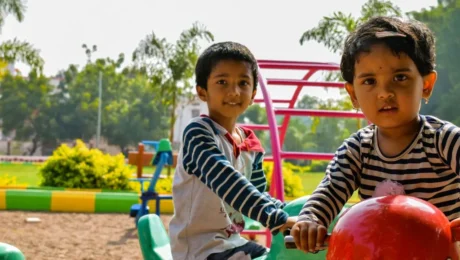
It is a morning in Noida on a working day. The sun is just up, traffic is groaning to life, and parents are all gearing up to go about the day. To most, it is not a matter of a school but a matter of balance when deciding on which school to enrol their child. Where will the child be safe, occupied, and taken care of outside of the classroom hours? Day boarding schools in Noida, such as Little Scholar Noida, are gaining attention from many, as they offer the care, structure, and enrichment they need.
The Reason Why Day Boarding Schools in Noida are on the Increase
The Noida parents are seeking alternative schooling options beyond the standard seven hours. The idea of a day boarding school is more flexible with work schedules, commute times and extracurricular requirements.
These schools usually offer long hours, supervised activities after classes, meals, and even transport. It aims to reduce the burden on parents and allow children to spend productive time after regular school hours. Although Little Scholar Noida has traditionally been a daycare and preschool, it has made some attempts to meet some of these changing needs.
Little Scholar Noida: Services and Capabilities That Count
Although Little Scholar Noida is primarily a playschool and daycare, it offers many of the same benefits that parents look for in day boarding schools in Noida. The following are some of the significant features and services:
- Age groups: children under 1 year (approximately 6 months), to early school-going age (nursery, kindergarten).
- Hours of operation: daycare operates from morning until evening (some mention 8:00 am to 8:00 pm), and preschool hours are during mid-morning.
- Facilities: conducive and nurturing setting, well-trained teachers, indoor and outdoor activities areas, meals, parental reports and careful hygiene and care.
- Experience: is a preschool/daycare centre that is older and more established in Noida (since 1989), which gives it a track record many would be reassured by.
These services provide what most people would anticipate from the best day boarding schools in Noida, particularly where the issue of extended care and enrichment is factored in.
Fees: What a Parent ought to know
Cost is always a factor. Little Scholar Noida offers some transparency, but it lacks comprehensive information about its full-day boarding program. What can be gathered:
- In other reports, the annual fees for Little Scholar are approximately ₹72,000, with transport fees extra.
- Daycare / full-day services are available, with monthly and hourly variations depending on the package option chosen.
- Additional services (meals, pick/drop, classes of activities) can be added to the fees. The parents must request comprehensive fee breakdowns.
When comparing day boarding schools in Noida by fees, the usual trend is basic tuition and extras. Little Scholar appears to consider a similar model for the extended services.
Comparing Little Scholar with the Top 10 Day Boarding Schools in Noida
A comparison between Little Scholar and the top 10 day boarding schools in Noida.
Full-day boarding schools in Noida may have the added features of classes in higher grades (after kindergarten), dormitory-style care (in boarding schools), sports academies, and demanding academic programs. In contrast, Little Scholar is strong in the area of early childhood education and care.
- Scope of grades: Most day boarding schools offer daycare up to secondary level. In contrast, Little Scholar specialises in preschool/kindergarten/daycare.
- Enrichment & facilities: Top day boarding schools usually have extensive sports facilities, specialised coaching, a library, labs, etc. Little Scholar offers a high-play, creative, and safe environment.
- Fees: Full-day boarding schools are likely to be costlier due to the additional facilities, whereas Little Scholar’s fees for preschool/daycare are relatively affordable and can be lower than those of complete boarding options.
For families with younger children or those requiring longer day boarding schools and early learning, Little Scholar may be one of the more viable top 10 day boarding schools in Noida, considering the balance of cost and care.
Practical Tips for Parents Choosing Day Boarding Schools in Noida
Helpful Advice for Parents Whose Children Attend Day Boarding Schools in Noida.
In case you are thinking of a day boarding school in Noida, be it Little Scholar or any other, here are the aspects to consider:
- Daily Schedule: What is the length of the hours? Do they fit with your work/ commute?
- Staff-to-Child Ratio: At an earlier age, children require more attention.
- Safety and Hygienic Facilities: safe playing areas, nutritious meals, medical first-aid, etc.
- Enrichment Programs: Does it offer art and music, outdoor plays, etc., during after-school hours?
- Transparency of the Fees: Base fee + transport + meals + activities.
It is also essential to verify that day boarding schools in Noida are currently open (admissions are open, or they are already offering full daycare or extended daycare services), as availability varies. Little Scholar appears to have full daycare facilities and extended hours already.
Is Little Scholar Noida A Day Boarding School?
Little Scholar is not, in the strict sense, marketed as a day boarding school, which typically refers to a program offering long daytime education, boarding, and advanced grades. The advantages Little Scholar has are:
- Preschool education (playschool, nursery, kindergarten)
- Preschool and day care services.
- Extended care and under supervision hours.
Therefore, if your vision of a day boarding includes after-school care, meals, and long-term supervised activities, Little Scholar offers many of these services. In case you are referring to more scholarly and boarding-like facilities, consider other institutions.
Conclusion
The concept of day boarding schools in Noida is increasing due to the growing demand from families seeking care and education services beyond regular classroom hours. Little Scholar Noida provides a variety of services that would respond to this demand, particularly among younger children: care, structured learning, enrichment, and extended hours. Although it may not meet all the criteria for full boarding or a better grade education, Little Scholar may be one of the best day boarding schools in Noida for the early years.
Referring to Little Scholar, it is better to visit it, ask some specific questions regarding costs, time, facilities and have a glimpse of it. That will be to make sure that the decision you take is in accordance with the needs of your child and the rhythm of your family.
FAQs
- Is Little Scholar Noida a full-day boarding?
Little Scholar is not a boarding school at this moment. Its services are more akin to extended day care/preschool/playschool, offering supervised activities and care outside regular school hours.
2. How much does Little Scholar Noida charge for extended day care or preschool services?
According to the available resources, the preschool fees are approximately 72,000 every year, and the daycare/extended hours fees have to be paid every month. The other expenses can either be in the form of meals, transportation or activity programs. The school itself is the most reliable source of the up-to-date fee structure.
3. What is the ranking of Little Scholar Noida compared to other day boarding schools in Noida that are currently open?
Little Scholar is a reputed day boarding school in Noida, offering extended care and early childhood education. It has maintained its good reputation since 1989, thanks to its secure atmosphere and all-inclusive preschool and daycare services. After that, however, in case of schools that span higher grades, or provide full boarding at the school, there are others you can compare depending on your priorities.
- Published in Top Play School
Why Kindergarten Matters for Child Development
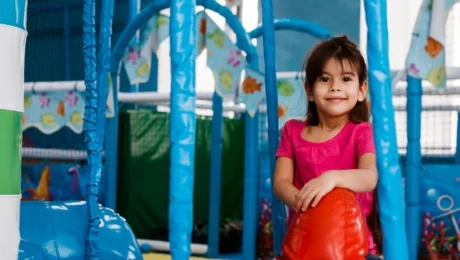
When the parents begin looking for a good kindergarten in Noida, the question always arises: Do children really need kindergarten? Education experts and professionals all around the globe believe that kindergarten is unavoidable to mould the future of a child. From enhanced social skills to establishing basic literacy and numeracy skills, kindergarten is not merely an initiation to school; it’s a stepping stone to lifelong learning.
Why Kindergarten Is So Important for a Child’s Development
1. Social and Emotional Development
Kindergarten is usually children’s first group setting outside the home. There, they learn to: Share toys and materials, Take turns, Know emotions healthily, and Be friends. These are the challenges to emotional intelligence, group work, and general self-confidence.
2. Language and Communication Skills
Kindergarten sessions are a daily dose of story time, songs, rhymes, and dialogue. They develop vocabulary, improve sentence building, and gain the courage to move ideas. Language skills at this age have a direct relationship with reading and writing at the primary school level.
3. Cognitive Development
Children of this age group are inquisitive in nature. Play therapy, such as puzzles, blocks, sorting, and simple problem-solving ability, is utilized in kindergarten to develop Critical thinking, Simple mathematical ideas like numbers, shapes, and patterns. It introduces them to the environment of formal education without pampering them.
4. Physical Development
Fine and gross motor skills are also attended to. Drawing, coloring, clay work, running, and playground play outdoors aid children in Muscle coordination and strength, building flexibility and balance, and Hand-eye coordination through writing.
5. Imagination and Creativity
Kindergarten gives children an opportunity to work on their idea words through Art and craft, Music and dance, Role play, and storytelling.
These also function on building imagination, not just a work of art necessity, but an innovation and problem-solving necessity of the next generation.
6. Habit and Discipline
The children get used to having a routine circle time during the mornings, play time, snack time, and class work. These easily get them used to the primary school routine.
Kindergarten in Noida: Guide for Parents
Noida is soon becoming an education hub with a large number of pre-schools and kindergartens. Parents are well aware of pre-learning today, and hence, the demand is exceptionally high.
What to Look for in Noida’s Kindergartens
- Hygienic and clean classrooms.
- Trained and caring teachers.
- Play-way, activity-based, or Montessori interactive learning patterns.
- Playgrounds, smart classes, and co-curricular activities.
- A daycare facility for working parents is available voluntarily.
Noida’s lowest kindergarten fees could be ₹3,000–₹6,000 per month in budget schools, ₹7,000–₹12,000 in middle-range schools, and ₹15,000–₹25,000+ in high-end schools. All of them charge a one-time admission or security registration fee as well, but fee payment usually includes tuition, activity, and meal or transport.
Selecting the Best Kindergarten in Noida
For kindergarten selection, parents must consider some parameters like the curriculum pattern, play-way, Montessori, CBSE, or International, since it influences early education. Low student-teacher ratios offer individual attention, proper safety and hygiene provisions, and parents feel comfortable with it. It should be child-friendly, interactive, and vibrant so curiosity can be triggered. School proximity is the requirement of the hour because the nearer the location, the less will be the degree of fatigability. Transparency in the cost plan and clear communication regarding the other parents also help in making a correct decision.
Little Scholar Noida – Early Learning Heritage
Little Scholar Noida is among the oldest city kindergarten in Noida schools and most revered, founded in 1989, and most renowned for offering safe and challenging environments that promote healthy development of the children. Having been in existence for over three decades, the school combines learning, imagination, and life experiences to catalyze overall development. Parents prefer Little Scholar due to its kid-oriented layout, high level of cleanliness, and providing the finest teacher-child ratio and care. The school provides early childhood education in the form of playgroups, nurseries, kindergartens, and daycare curriculum schools. Its state-of-the-art infrastructure, like well-furnished classrooms and activity rooms with interactive facilities, provides the finest place for developing young minds.
Why Little Scholar Helps in the Development of a Child
Child development is not only a Little Scholar Noida mission but is their philosophy translated into life. Each program is meticulously developed so that young minds gain well-roundedness, and children are emotionally, socially, physically, and mentally fit individuals.
Social and Emotional Development
Sharing, small group work, and discussion are developed in children through co-operation, self-concept, and empathy. The environments necessary for care are stated to reduce separation anxiety and maintain a high level of self-concept.
Language and Communication Development
Listening to books, two-way communication, and nursery rhymes enhance language and communication in children. Teachers address speaking and listening in attempts to provide the early literacy framework.
Cognitive Development
Puzzle, sorting tasks, discovery, testing, curiosity, and logic stimulation support problem-solving skills. Learning through play and basic math and science ideas are supported by problem-solving skills.
Physical Development
Arts and crafts, painting, all of which are intended to assist in developing gross and fine motor skills. Playing with clay, running, drawing, and balance contribute to muscle strength and coordination.
Creativity and Imaginative Play
Role-play, storytelling, music class, and dance allow children to shape their creative skills, and stories inspire creativity and imagination.
Daily Routine and Discipline
Routine practices like circle time, play, and snack break instill discipline and flexibility in the daily routine, and school-readiness in the first grade of primary school.
By balancing life skills with studies in moderation, Little Scholar makes every child a happy, curious, well-adjusted, and confident child, ready for the next learning experience.
Kindergarten is undoubtedly one of the best steps on the ladder of life for the child. It promotes social, emotional, intellectual, and physical development, getting children ready for school as well as life. If you’re looking for a reliable kindergarten in Noida that blends tradition, care, and innovation, Little Scholar Noida is an excellent choice. With decades of trust and a strong commitment to child development, it ensures your little one’s first steps into education are joyful, secure, and meaningful.
FAQs
1. What is the average kindergarten fee in Noida?
Kindergarten charges range from ₹3,000 per month in budget schools to ₹25,000+ in high-end schools. Mid-budget school is roughly ₹7,000 to ₹12,000 per month.
2. Is kindergarten mandatory in India?
No. Kindergarten is not so. Educationists and the NEP 2020 actually suggest it as the preparation stage for 3–8-year-olds.
3. Why choose Little Scholar Noida kindergarten?
Little Scholar Noida is a 35-year-plus institution, has a balanced curriculum, a child-centered atmosphere, and enhanced teacher-to-child ratios. It is Noida’s most experienced kindergarten.
- Published in Top Play School