
Fun Summer Camp Activities for 3-5 Year Olds, Keeping Little Ones Busy
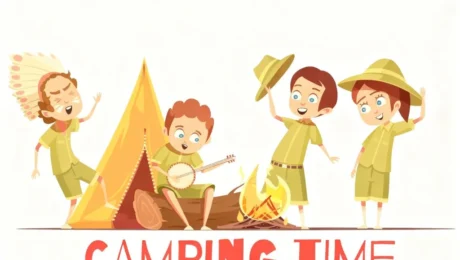
Summer is here, and parents of young children know what that means. Little ones wake up full of energy and need things to do. The days feel long, and screens start looking tempting by midday.
Good summer camps solve this problem. They keep children busy with activities that match their age. At places like Little Scholar, the play school in Noida mentioned earlier, summer days are filled with play that feels natural and right.
For parents keeping children at home, having some simple ideas helps. Whether at camp or at home, the right summer camp activities for 3-5 year olds can turn a long day into something fun.
What Works for This Age
Children between three and five are not like older kids. They cannot sit still for long. They want to touch everything. They ask questions constantly. They learn by doing, not by listening.
Good activities for them are simple. They use things you already have at home. They let children move around. They feel like play, not like lessons.
When looking for summer camp activities for 3-5 year olds, keep these things in mind. The best activities are ones children want to do again tomorrow.
Water Play for Hot Days
Summer heat calls for water. Children love water in a way that never gets old.
Sprinkler Running: A simple sprinkler in the backyard can keep children busy for a long time. They run through the water, they jump, they scream with joy. Nothing complicated, just water and running and laughing.
Water Table: A plastic tub filled with water works wonders. Add cups, spoons, and plastic toys. Children pour water from one cup to another. They make toys swim. They splash and explore. This is one of those activities for 3 year olds that works every time because water is naturally interesting.
Sponge Tossing: Wet some sponges and let children throw them at a wall or at each other. On a hot day, getting wet feels good. Sponges are soft, so no one gets hurt. Everyone gets wet and laughs about it.
Art and Craft Time
Little ones love making things. They love colors and glue and creating something themselves.
Finger Painting: Put washable paint on paper and let children go at it. The feel of paint between fingers, the colors spreading, the freedom to make anything. It gets messy, yes. But mess washes off, and the joy stays. Cover the table with newspaper, put old clothes on the children, and let them create.
Play Dough: Store-bought dough works. Homemade dough works too. Children roll it, squish it, cut it with cookie cutters. It keeps little hands busy and makes them stronger. Many nursery activities for 3-4 year olds use play dough because teachers know children love it.
Nature Art: Go outside and collect leaves, small sticks, flowers. Then glue them onto paper to make pictures. This gives children a walk outside and art time together.
Moving and Playing Outside
Young children need to move. Their bodies are growing, and running helps them grow strong.
Simple Obstacle Course: Use pillows, hula hoops, chairs, boxes. Make a course in the yard or living room. Children crawl under chairs, jump over pillows, hop through hoops. Change it each day to keep things fresh.
Bubble Chasing: Blow bubbles and let children chase them. They run, they jump, they try to catch bubbles. When bubbles pop, they laugh and want more. This simple activity belongs in every list of summer camp activities for 3-5 year olds. It costs almost nothing and brings so much happiness.
Parachute with a Sheet: If you have a big bedsheet, gather a few children. Everyone holds the edges, lifts it up, watches it float down. Children can run underneath while others hold it up. The giggles from this game are wonderful.
Quiet Time Ideas
After all that running, little ones need calm time.
Stories with Puppets: Reading stories is good. Reading with puppets is better. Use simple hand puppets or socks with faces drawn on them. Act out the story as you read. Children pay more attention when puppets are involved.
Sensory Bins: Fill a shallow bin with rice, beans, or sand. Add small toys, cups, spoons. Children run their hands through it, dig for treasures, pour from one cup to another. This calms them while keeping their minds busy. Many nursery activities for 3-4 year olds use sensory bins because teachers see how much children benefit.
Puzzles and Blocks: Simple puzzles with big pieces keep little hands busy. Blocks let children build towers and houses. These quiet activities give tired children a chance to rest without getting bored.
Also read: Craft Activities for Preschoolers: Building Patience, Problem-Solving, and School Readiness
Simple Science That Feels Like Magic
Three-year-olds ask “why” all day. Simple science gives them answers while feeling like fun.
Sink or Float: Fill a tub with water. Gather small objects. Let children guess if each will sink or float, then drop it in to see. The guessing, the splashing, the discovery. Simple science that feels like play.
Color Mixing: Put water in clear cups. Add food coloring to make red, blue, yellow. Give children empty cups and let them mix colors. When blue and yellow make green, their eyes go wide. This is one of those summer camp activities for 3-5 year olds that feels like magic but teaches something real.
Ice Treasure Hunt: Freeze small toys in ice cubes or a big block of ice. Give children warm water in spray bottles and let them work to free the treasures. On a hot day, playing with ice feels good. Watching ice melt and reveal toys keeps children focused for a long time.
Music and Moving
Children this age cannot help moving when music plays. It is natural and good.
Dance Parties: Put on fun music and dance together. Freeze when music stops. Jump when music is fast. Sway when it is slow. No rules, just moving and laughing.
Make Instruments: Fill a container with rice to make a shaker. Cover a box with rubber bands to make a guitar. Bang on pots with wooden spoons. Making them is fun. Playing them is even more fun.
Action Songs: Songs like “If You’re Happy and You Know It” get children moving and singing. They learn actions, they sing words, they feel part of something. These songs work well with young children. They are perfect activities for 3 year olds just learning to follow along.
What a Summer Day Looks Like
A good summer day might go like this.
Morning starts outside while it is cool. Children chase bubbles and run through sprinklers. Then everyone sits for a story with puppets, a chance to calm down.
After snack, it is art time. Finger painting today because children have been asking. The table gets covered, paint comes out, colorful hands get to work.
Lunch and rest come next. After resting, children are ready for more. A simple science activity today. Sink or float with the water table. Guessing and splashing and learning together.
Late afternoon brings music. A dance party with action songs. Shakers made from rice add to the fun. By pickup time, children are tired and happy, full of stories about their day.
What Children Really Gain
Summer activities are not just about passing time. Through all this playing and creating, children learn things.
- They learn their bodies can do amazing things.
- They learn making something with their own hands feels good.
- They learn asking questions leads to interesting answers.
- They learn playing with others is more fun than alone.
These are not lessons from worksheets. They come from simple summer camp activities for 3-5 year olds that feel like fun but add up to something more. The child who spent summer chasing bubbles and mixing colors and dancing starts the next school year with more confidence than before.
Simple Tips for Parents
For parents keeping children home, a few things help.
Let go of perfect: Messy is fine. Things not going as planned is fine. Happy children matter more than perfect activities.
Follow the child’s lead: If they love water, do more water. If they lose interest in something, move on. No activity is so important it must be finished.
Get outside every day if possible: Even fifteen minutes outside changes everything. Fresh air does wonders for children and for tired parents.
Let boredom exist sometimes: When children get bored, they start using imagination. They create their own games and ideas.Summer days are long, but childhood is short. The activities children do now, the memories they make, the simple joys of playing and creating, these things stay with them.
Years later, they will not remember expensive toys or fancy outings. They will remember chasing bubbles in the backyard. They will remember making a mess with finger paints.
They will remember summer days when someone played with them. And that makes every bit of effort worth it.
- Published in Uncategorized
Little Explorers: Engaging Toddler Activities for Your Children
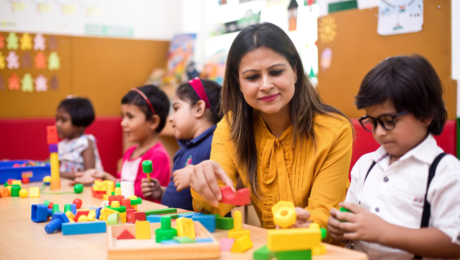
A famous quote goes, “children learn as they play. Most importantly, children in play learn how to learn”. Being parents or preschool teachers, we often encounter challenges when designing toddler activities. Toddlers are like pieces of clay that can be beautifully molded in different shapes.
It is our responsibility to come up with various activities that can target the overall development of children.
If you are running short of toddler activity ideas, then this article is tailor-made for you. Read till the end to find interesting and fun activity ideas for your toddlers, which can help them in their overall growth.
Productive Toddler Activities at Home
Toddlers spend the majority of their time at home. Hence, mothers can engage themselves in productive activities that contribute to their development. Here is a list of some of the productive activities for toddlers at home:
- Art and Craft: Make your child engaged with art and craft activities which will enhance their creative thinking power. You may buy coloring books, which will help them to get familiar with different colors. Let them work independently on different arts and crafts projects where they can come up with innovative ideas and ways to execute them.
- Learning Activities: Spend some time to sit with your child and participate in learning activities. You may buy some story books for them which contain a lot of pictures. Pictures will help them to relate to the things written in the book and develop a better understanding of different things. Pictures will also help in grabbing your child’s attention and keep him/her engaged throughout the reading activities. Introduce your child to numbers with some real-life examples. For example, while giving chocolates to your child, ask him/her to count the number of chocolates.
- Educational Games: You can involve your child in various educational games such as puzzles, building blocks, etc. These are brain development games designed especially for toddlers. These games improve a child’s critical thinking capacity and let them analyze different problematic situations and come up with solutions.
- Household Chores: Involve your child in your daily household chores and keep him/her engaged with simple tasks. This will help them to develop a collaborative attitude within themselves. While cooking, you can introduce different vegetables and fruits to your child. It is an amazing way to make him/her learn about various things by enhancing his/her cooperative skills.
Also Read: Day Care Centre Near Me with Fees: A Parent’s Guide to Budget-Friendly Childcare
Educational Toddler Activities at Preschool
Toddlers going to preschool are kept engaged in various activities. These activities are mostly play-based, and it’s made sure that they enjoy every bit of time they spend at the playschool. Here’s a list of learning activities for toddlers at Little Scholar:
- Language Development Activities: Language development activities include storytelling, reading, puppet shows, dancing, singing, etc. These engaging and interactive activities will help children to understand language in different forms, such as story form or in the form of a song, and resonate with it.
- Outdoor Activities: Outdoor activities include physical activities, such as going on field trips or observing nature. These activities will help a child to get familiar with various elements of nature like different trees, animals, birds, etc. Going on field trips can become little adventures for them, exploring different places and doing several activities. Physical activities will help toddlers in their physical development.
- Social Skill Development Activities: Social skill development activities include interacting with peers, participating in interactive activities, etc. These activities help children develop a collaborative attitude in themselves and learn to socialize with their peers.
- Play-based Educational Programs: Play-based educational programs include fun activities, interactive programs, and engaging activities that promote overall development in a toddler. Preschools conduct summer camps, too, which include several activities such as cooking, arts and crafts, pottery, storytelling, pool parties, field trips, etc.
That was all about toddler activities. Remember, the best activities are the ones that bring smiles to your little one’s face. Keep exploring, experimenting, and, most importantly, enjoying those precious toddler moments.
FAQs:
What are the indoor activities for toddlers?
The indoor activities for toddlers include:
- Art and craft.
- Storytelling.
- Pottery.
- Cooking.
- Dance and music.
- Puppet shows.
What are some learning activities for toddlers?
Some learning activities for toddlers include:
- Art and craft.
- Collage making.
- Storytelling.
- Group activities.
- Tree plantation.
- Non-gas cooking.
- Published in Uncategorized
Making Unforgettable Memories: Fun Blue Day Activity for Preschool
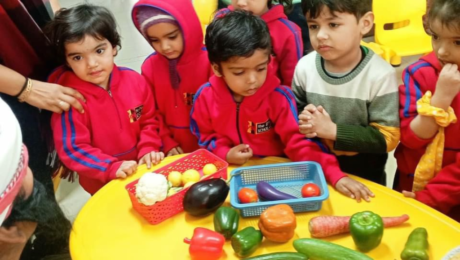
Blue Day is all about celebrating this color in every possible way. Imagine a blue-themed classroom where every child is dressed in blue clothes, and the classroom is decorated likewise. Doesn’t it appear to be a fun-filled, vibrant day already? In Little Scholar, the Blue Day celebration is another form of educational activity where we give children exposure to identifying various colors and their significance.
In this article, we will explore the world of blue day activity for preschool and how they are celebrated at Little Scholar.
Blue Day Activity for Preschool and its Significance
Blue Day is a fun-filled celebration at pre-schools where children are introduced to the color. Teachers arrange various theme-based activities to keep the children engaged. In Little Scholar, we encourage children to come dressed in blue outfits and participate in fun activities at school.
Here’s why the Blue Day celebration at preschool is important:
- Color Recognition: Our blue day celebration at our playschool helps children improve their color recognition skills. They learn to focus on the color blue and identify different shades of blue.
- Sensory Exploration: In Little Scholar, children engage with various textures, materials, and objects, which enhances their sensory development.
- Enhance Creativity: Art and craft activities done during the Little Scholar Blue Day celebration help children improve their creativity and imagination power.
- Social Interaction: Blue day activities for playschool hosted during our Blue Day celebration help children improve their social skills while they learn to interact with their peers.
- Theme-Based Education: The Blue Day celebration at Little Scholar is an excellent example of theme-based education, where children learn various concepts centered around a specific theme—in this case, the color blue.
How is Blue Day Celebrated in Little Scholar?
At Little Scholar, we plan various activities for the celebration of Blue Day. Here’s a list of all the blue color day activities for preschool:
- Dress up in Blue: At Little Scholar, we encourage children to come dressed in their favorite blue outfits to complement the theme of the Blue Day celebration.
- Blue-Themed Classroom Decoration: We also decorate the classroom with blue decorations, including blue balloons, streamers, and posters.
- Art and Craft Activities: We allow children to do various blue-themed art and craft activities, such as painting a blue flower or a blue fish. We also involve them in craft projects like making a blue collage. We also host 3D Blue Day activities for preschool, during which we encourage them to work on 3D art and crafts.
- Learning Activities: At Little Scholar, we design several learning activities. For example, we keep various objects on a table and ask children to pick only the blue objects from there. This helps children better identify colors and their shades.
- Outdoor Activities: Outdoor activities such as pool parties are organized for children in summer. Discover more engaging activities for preschoolers to enjoy at home in our article on 10 Engaging Preschool Activities to Keep Your Little Ones Busy.
- Blue-themed Snacks and Refreshments: Blue-themed snacks and refreshments such as blueberries and blueberry smoothies are provided to children at Little Scholar to go with the theme.
This list of blue day activity for preschool is mostly followed in Little Scholar as it keeps children engaged in fun activities while enhancing their skills.
FAQ:
What to do for the Blue Day celebration at preschool?
On the Blue Day celebration, wear a blue outfit and decorate the classroom with blue decors such as blue balloons and streamers. Line up a few theme-based activities for children throughout the day.
Why is Blue Day celebrated in pre-schools?
Blue Day is an educational activity and is celebrated in pre-schools to develop a better sense of identifying colors in children.
When is Blue Day celebrated in pre-schools?
You can celebrate Blue Day on any day during the summer months, as long as the weather is bright and sunny.
- Published in Uncategorized
Playful Learning: Fun Preschool Activities
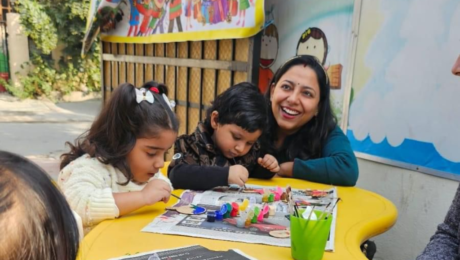
A preschool is an institution where children are given early childhood education and prepared for primary school. These schools primarily focus on offering preliminary training to children which is beyond the traditional learning practices.
Pre-schools focus on the development of some social skills in a child, for example, communication skills, critical thinking skills, problem solving skills, etc., while maintaining a warm and nurturing environment.
Nowadays, pre-schools put extra effort into coming up with exciting preschool activities for children. They always make sure that a pre-school remains a fun-filled learning experience for kids.
You may expect the following things from your child by sending him/her to a pre-school:
- Development of a strong foundation for better academic results in the future.
- Improved social skills and ability in public speaking.
- Identify his/her true potential and extracurricular skills.
- Increased vocabulary and improved communication skills.
Types of Preschool Activities
Play-schools design various activities and learning programs that are fun and engaging at the same time. They make sure that a child is always learning something while having fun.
Here are some of the different types of play school activities:
- Play based learning programs: Play based learning programs include dramatic play, building blocks development, arts and crafts, singing and dancing, non-gas cooking, etc.
- Learning activities: Learning activities include storytelling, fun science experiments, basic math skills, etc.
- Outdoor activities: Outdoor activities include field trips, museum visits, summer camps, etc.
Play-Based Learning Programs:
Some common play-based learning programs are:
- Dramatic plays: Children are given imaginary situations where they play different roles. For example, a pretend grocery shop is set up, where kids can come to buy groceries. This helps them to learn about different grocery items and enhance their communication and decision making skills.
- Building blocks: Building block games let children work on their creativity skills, decision making skills, and problem solving skills.
- Art and craft- Children are given art and craft projects like painting, DIYs, origami, etc, to improve their creativity and allow them to express themselves in a better way.
- Singing and dancing: Children learn cooperation and coordination through activities like singing and dancing.
- Non-gas cooking: Children are kept engaged in non-gas cooking activities such as making a salad or sandwiches. It allows them to work as a team and learn to cooperate with each other.
Learning Activities:
Some common learning activities at preschool are:
- Storytelling- Storytelling activities in school allows children to learn about new words and improve their vocabulary.
- Science experiments- Teachers in pre-school guide children to execute some fun science experiments. It keeps children engaged and develops scientific thinking in their brains.
- Basic math skills- Basic math skills are taught to children in an engaging way. They learn basic shapes, counting, and sorting in pre-schools.
Outdoor Activities:
- Field trips: Children are taken to nearby museums, zoos, and other educational spots while being supervised by their teachers. It gives them an ‘outside classroom’ learning experience, and they learn different things while having fun.
- Summer camps: Summer camps are designed in pre-schools to offer a memorable experience to children. From arts and crafts, dancing, singing, science experiments, and cooking to pool parties, everything is covered. It is completely a fun learning experience for kids, making them learn new things and explore new areas of interest. For more on early childhood education, check out Small Steps, Big Impacts: Here’s All You Need to Know About Baby Daycare.
How to choose the best play-school
Finding the right play school for your child can be a bit challenging. However, we have some suggestions. Before you begin searching for a play school for your little one, make sure to make a list of requirements. After determining the things that you require, it’s time for you to look for a preschool near your residence. Follow these three simple steps:
- Open Google on your browser, then either search ‘best preschools near me’ or search ‘best play schools near me’. Note down all the names.
- Now initiate research on all the preschools near your residence. Look for the facilities they provide and if they match your requirements. Shortlist your top choices among all the play schools near your house.
- Pay a physical visit to all the shortlisted play schools and verify the information that you’ve got online. Also, do not forget to talk to them about fees. After verifying all the information, choose the best one that is best suited for your child.
FAQ:
How to teach 0-3 year old kids?
Children aged between 0 and 3 are too young for traditional education practices. Hence, the perfect way to begin their learning process is by play-based education programs.
At what age should I enroll my child in a pre-school?
The correct age to get your child enrolled at a pre-school is 2-5.
- Published in Uncategorized
A Guide to Little Scholar’s Best Nursery Teaching Courses
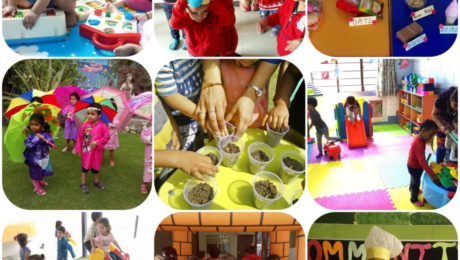
Starting a career in early childhood teaching is a thrilling experience. Frequently, choosing the appropriate nursery teaching course is the first step. To help you choose the ideal nursery teaching and training programme for your professional goals, Little Scholar brings you the best nursery training course to build your career. Let’s explore the different aspects of nursery teaching courses offered by Little Scholar.
Why Choose a Little Scholar’s Nursery Teaching Course?
Nursery teaching courses offered by Little Scholar are specialised training programmes created to give future teachers the ability to care for and instruct young children, usually between the ages of one and five. A wide range of subjects are covered in these courses, such as educational psychology, early learning tactics, and child development.
Deciding to participate in a nursery training course has the potential to change lives. Along with giving participants the credentials they need to start a nursery teaching profession, it also deepens their understanding of child care and education. Having this basic understanding is essential to creating an atmosphere that supports young children’s development.
What Covers in Nursery Teaching Courses at Little Scholar?
Courses in nursery teaching usually include both theory and hands-on training. Typically, the curriculum covers:
- Regular Classroom Oriented Course: It’s a one-year classroom-oriented course. It takes place 5 days a week for 3 hours a day.
- Workshops, Seminars, and Guest Lectures: The programme also includes guest lectures by notable individuals. Several workshops and orientations are held during training, which are led by qualified teachers.
- Theoretical as well as practical training: The curriculum includes every element that is essential for early education. During the programme, there is also a one-month training period at a regular school.
- Placements: There are job placements available with reputable and high-quality preschools.
Nursery Training Courses Types
Several kinds of nursery training courses are offered, and they all have varying lengths and requirements for careers:
- Certificate Programs: These are brief programmes that offer foundational instruction in the fundamentals of nursery teaching. For those who want to launch a career rapidly, these ideal courses.
- Diploma Programmes: Usually lasting longer than certificate courses, these programmes offer a more extensive curriculum and a deeper grasp of early childhood education.
- Online Courses: Online courses for nursery training are a great choice for individuals who require flexibility about time and place. They enable students to manage other obligations and study at their own pace.
- Specialized Training: Some programmes include specialisation in subjects such as Montessori teaching methods or special education, which adds competencies that improve the efficacy of instruction.
How Do You Choose the Right Nursery Teaching Course?
When choosing the appropriate path, one must take into account various aspects:
- Accreditation: Verify the course’s accreditation by contacting the appropriate educational authorities.
- Curriculum: Verify that the course material includes everything you need to know.
- Practical Training: Seek classes that provide possibilities for practical training.
- Career Opportunities: Think about how this course will help you reach your long-term professional objectives.
- Reviews and Comments: Gaining insight from previous students’ experiences can be quite beneficial.
Career Scope After Completing Nursery Teaching Course
Many employment options become available upon completion of a nursery teaching or training course. Graduates can work at early childhood education centres, public and commercial nurseries, or even start their own childcare businesses. Additionally, nursery teachers can advance into more senior roles like educational coordinators or supervisors with experience.
Developing a profession in early childhood education demands dedication and enthusiasm. You can lay the groundwork for a rewarding and significant career by selecting the appropriate nursery teaching programme. Keep in mind that the correct nursery training programme opens doors to fulfilling job prospects in addition to providing you with the knowledge and abilities you need.
The three main areas of emphasis for NTT are management of life skills, personality development, and spoken English. Little Scholar makes certain that the child’s education is being handled by the most committed and capable educators.
FAQs
Which course is best for a nursery teacher?
The goal of the NTT course is to provide candidates with the knowledge and abilities needed to successfully instruct children in a contemporary classroom setting, ages three to five. Upon successful completion of the programme, prospective educators can pursue a career in early childhood education.
What are the qualifications for an NTT teacher?
Applicants must receive at least 50% on their 10+2 or equivalent exam. Students who are SC/ST receive an extra 5% discount. To admit students, several institutes use entrance examinations, interviews, and 12th-grade percentages.
What can I expect from the nursery teaching course offered by Little Scholar?
Courses in nursery teaching usually include both theory and hands-on training. Typically, the curriculum covers regular Classroom Oriented courses, workshops, seminars, guest lectures, theoretical as well as practical training and placements.
- Published in Top Play School, Uncategorized
First Step to a Bright Future: Exploring the Importance of Preschool Education
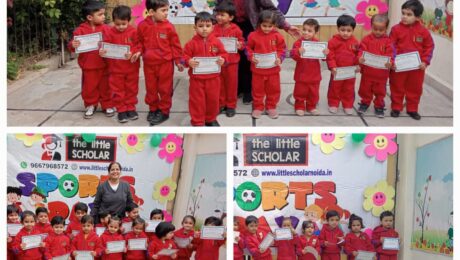
As guardians and parents, our greatest hope is for our kids to flourish in all facets of their lives. Preschool education marks a crucial milestone in the process towards realizing this desire, which happens far sooner than most people think. This early learning environment is more than just a place for play and naps; it’s a crucial moment for the formation of lifetime learning.
Together, we will investigate the importance of preschool education and how it lays the groundwork for a child’s future academic endeavors.
Importance of Preschool Education
Below mentioned points shows the importance of preschool education:
- Intellectual Growth: Preschool education has a key role in stimulating a child’s cognitive abilities. Through structured activities and play-based learning, children develop the foundational skills necessary for reading, writing, and numeracy, which sets them up for future academic success.
- Social Skills: Preschool develop important social skills including sharing, cooperation, and empathy through their interactions with classmates and people outside of their immediate family. Strong interpersonal skills require these kinds of encounters.
- Emotional Development: Early educational environments give children a safe place to explore their emotions and discover the importance of expressing themselves. It prepares children for the social settings they will encounter by making them more emotionally robust and self-assured.
- Freedom and being independent: preschools provide the perfect environment for children to grow in these areas. By doing tasks, coming to decisions, and taking responsibility for their actions, they acquire decision-making and self-reliance skills.
- Establishing Scholastic Foundations: Preschools set the stage for future academic success by including kids in activities that support fundamental reading and numeracy skills.
- Fostering Creativity and Imagination: Preschools teach children to think creatively and beyond the box by emphasizing creative arts, music, and imaginative play.
- Nurturing Physical Well-Being: A vital component of the preschool curriculum, physical activities aid in the development of motor skills and encourage a healthy lifestyle.
The Purpose of Preschool Education
Preschool education is like planting a seed in rich soil. It becomes a sturdy tree that can withstand challenges in the future with the right care, attention, and environment. It’s about igniting the spark of lifelong learning, encouraging curiosity, and enhancing self-esteem. The importance of early childhood education in shaping the next generation of individuals cannot be overstated as the twenty-first century progresses. It is a critical stage that prepares children for life after school.
The Role of Pre-primary Schools
The first barrier to the realm of structured learning is preschool learning. These organizations are vital to:
- Providing structured Learning: Pre-primary schools help children move to more formal schooling settings by introducing them to the idea of organized learning while preserving the integrity of play.
- Early Learning Requirements Identification: They offer a platform for the early identification and management of particular learning requirements, guaranteeing that every child gets the care and assistance they need to flourish.
- Promotes Holistic Development: In addition to academics, these schools place a strong emphasis on the arts, social studies, and physical education to help students develop holistically.
From Preschool to Lifelong Learning
When a child enters a preschool, their educational career officially begins. During this stage, a lifetime love of learning is fostered in addition to academic preparation for the demands of primary school. Children who possess these qualities throughout this crucial stage are more likely to succeed in their future academic and personal endeavors. These qualities include curiosity, resilience, social engagement, and a sense of wonder.
Teaching children in preschool is like sowing a seed in rich soil. With the correct upkeep, attention, and supportive surroundings, it develops into a robust tree that can survive future difficulties. It’s about boosting self-esteem, promoting curiosity, and kindling the flame of lifelong learning. Early childhood education’s role in forming the next generation of people cannot be understated as we move further into the twenty-first century. It is a fundamental stage that gets kids ready for life, not simply for school. This is a good time to read our article on Top 12 Reasons Why Your Child Should Attend Pre-nursery School
In recognizing the vital importance of preschool education and pre-primary schools, we understand the enormous impact these early experiences have on a child’s development. We are investing in a better, more resilient future when we fund high-quality early childhood education. As tomorrow’s prospects are in the hands of our youngest students, let us advocate for preschool education. Preschool is more than just an educational experience; it’s the nurturing of the stars of tomorrow, prepared to shine brightly in the great beyond.
FAQs
Why is preschool education important?
Children will learn how to support their social and emotional development in preschool. Kids pick up problem-solving, compromise, and manners. Children can explore, develop a sense of self, interact with others, and boost their confidence in a preschool setting.
What skills do children learn in preschool?
The following are the skills which your children should learn in preschool
- Psychological Growth
- Social Skills
- Development of Early Literacy
- Skills in Listening
- Proficiency in Communication
- Fine Motor Abilities
- Focus Duration
- Early Math Proficiency
How does preschool education support working parents?
Provides a Reliable and Safe Environment for Children During Working Hours: This assists women juggling work and family responsibilities.
What should parents look for in a preschool program?
Since your child will be there for two to three hours a day, it will be easier for them to adjust to the surroundings if the classrooms and hallways are well-lit, have wide stairways, anti-slip mats, clean restrooms, and are staffed by child-friendly staff members with eye-catching décor and colors.
- Published in Top Play School, Uncategorized