
Starting Early: Knowing The Right Preschool Age in India

When we think of preschools, the only thing that comes to our mind is those tiny backpacks and those tiny steps toward learning. Getting enrolled in a preschool is essential as it lays the foundation of a child’s academic and social development. What is more important is to know what is the right preschool age in India for getting your child enrolled.
In the words of Albert Einstein, “Education is not just about learning facts, but the training of the mind to think”. In a country as diverse as ours, where every state, religion, and culture offers something unique, the preschool journey is simply not about mugging up facts. It’s a fun, play-based learning experience for children where they are exposed to different cultures and circumstances. In this article, we will explore the preschool scenario in India and learn about the right age for preschool. So let’s get started!
What Does Preschool Education Look Like in India?
Preschool education in India has come a long way in the last few decades, evolving from informal daycare services to structured, activity-based learning environments. As parents increasingly recognize the importance of early childhood education, the landscape of preschools in India has diversified to cater to different learning needs, cultural contexts, and educational philosophies. Here’s a look at what preschool education typically looks like in India today:
Types of Preschool Institutions in India
- Nursery Schools / Play Schools.
- Montessori Schools.
- Kindergarten (KG).
- Play-Based and Activity-Based Preschools.
Key Features of Preschool Education in India
Play Based Learning: In India, a significant portion of preschool education is based on play-based learning. Research has shown that children learn best through play, as it stimulates their imagination, cognitive skills, and social development.
Focus on Socialization: Preschools in India put a strong emphasis on social skills. These early years are critical for children to learn how to interact with peers, share, and cooperate. Teachers guide children in developing positive relationships, learning about emotions, and expressing themselves appropriately.
Basic Academic Skills: While play-based learning dominates, preschools in India also focus on preparing children for formal schooling. Some of the early learning concepts include language development, numeracy skills, and general knowledge.
Motor and Cognitive Development: Preschools incorporate activities designed to build fine motor skills like drawing, cutting, and playing with clay and gross motor skills like running, jumping, and climbing. These activities are essential for physical development and coordination.
Emotional Growth: Preschools in India also emphasize emotional development. Teachers help children recognize and express their emotions, build self-confidence, and deal with challenges in a constructive way.
Also Read: First Step to a Bright Future: Exploring the Importance of Preschool Education
What is the Right Age for Preschool in India?
Identifying the best age to start preschool can be a challenging task for parents. In India, the ideal age for preschool typically falls between 3 to 6 years, but it depends on various factors like your child’s development, family needs, and the type of preschool program you choose. Here’s a closer look at the ideal preschool age and what to consider before making the decision.
The Typical Playschool Age Range in India
Preschool (Nursery or Kindergarten) in India is generally meant for children aged 3 to 6 years, and the age breakdown is typically as follows:
Playgroup (Age 2-3 years): Some preschools start at this age for children who are ready to begin socializing and learning basic routines. Playgroup is often the first introduction to formal education.
Nursery (Age 3-4 years): The most common starting point for many children, where they begin learning foundational skills like colors, shapes, and basic socialization.
Lower Kindergarten (LKG) (Age 4-5 years): This level introduces more structured learning, including basic reading, writing, and math concepts.
Upper Kindergarten (UKG) (Age 5-6 years): UKG prepares children for primary school by focusing on more formal academic skills, social development, and school readiness.
Preschool education in India is an exciting, diverse, and evolving field. It plays a critical role in the early development of children, laying the foundation for lifelong learning.
FAQs:
What age is best for playschool and kindergarten?
Usually, the best age for playschool and kindergarten is 2.5 to 3.5 years for play school and 3 to 4 years for kindergarten. However, it also depends on the child’s development and readiness for preschool.
What age is best to start play school?
The best age to start play school is between 3 to 5, but it also depends on the child’s development and overall readiness to go to playschool.
- Published in Top Play School
Eco-Fun for Little Ones: Best Green Day Activities for Kindergarten

Someone rightly said that children are like sponges. They soak up everything around them. So why not let me soak some environmental awareness through the Green Day celebration at preschools? Green Day activities for kindergarten are not just about wearing green outfits, but the bigger objective is to teach them the joy of nature, the importance of sustainability, and the magic of small, everyday actions that can make a difference.
So, if you are ready to spark some love for the environment within children through some fun and engaging activities, this article is for you. Read this article till the end to find out some interesting activities for Green Day and why these activities are important.
Why Do Green Day Activities Matter for Kindergarten?
Here’s why Green Day activities are important for kindergarten:
Fosters Early Environmental Awareness: Introducing young children to environmental concepts early helps them develop a sense of connection to the planet and an understanding of the importance of protecting it.
Teaches Responsibility and Stewardship: Through activities like planting or recycling, kids learn to take responsibility for their actions and how they impact the world around them, laying the foundation for lifelong eco-conscious habits.
Encourages Creativity and Problem-Solving: Green Day activities, such as creating art from recycled materials or designing eco-friendly projects, stimulate creativity while teaching kids to think critically about sustainability.
Promotes Physical Activity and Outdoor Exploration: Activities like nature walks get children outside, encouraging physical activity and helping them develop a deeper appreciation for nature.
Supports Cognitive and Social Skills Development: Hands-on, nature-based activities allow children to practice teamwork, problem-solving, and communication while learning about the environment interactively.
Builds a Foundation for Eco-Friendly Habits: Early exposure to sustainable practices, such as recycling, conserving resources, and reducing waste, helps kids form habits that will stay with them throughout their lives.
Strengthens Emotional Connections to Nature: When kids engage with nature, they often develop an emotional bond with it, fostering empathy for animals, plants, and ecosystems, which can motivate them to care for the Earth.
Encourages a Global Perspective: Teaching young children about environmental issues on a global scale, like climate change or deforestation, in an age-appropriate way helps them understand the broader implications of their actions.
Also Read: Making Unforgettable Memories: Fun Blue Day Activity for Preschool
Best Green Colour Day Activity for Kindergarten
Here is a list of some of the best Green Day activities for kindergarten at Little Scholar:
Green-themed Arts and Crafts: Children create green-themed artwork using green paint, crayons, or colored paper. For example, drawing trees, leaves, or frogs. It reinforces color recognition and encourages creativity.
Green Sensory Bin: They fill a sensory bin with green items like leaves, plastic plants, green rice, or green toys. It drives sensory development in children.
Green Food Tasting: Children have a green snack day with cucumbers, grapes, kiwi, or spinach. It introduces healthy eating habits while exploring the color green.
Green Nature Walk: They also walk outside to observe and collect green items from nature, such as leaves, grass, or moss. It encourages outdoor exploration and connection to nature.
Green-themed Storytime: Children read books featuring green objects or characters, like “Green Eggs and Ham” by Dr. Seuss. It promotes literacy and reinforces the color green in a fun context.
Green Color Sorting: Sort various objects into a “green” category for example, green blocks, paper, or toys. It enhances color identification and sorting skills.
Greenday Plantation Drive: Children plant seeds in green pots and watch them grow. It teaches the basics of plant life cycles and responsibility.
Green Dress-Up Day: Encourage kids to wear green clothing or costumes like frogs, trees, or leaves. It is a fun and interactive way to celebrate green while encouraging creativity.
Green Recycling Project: Children use green recyclable materials like plastic bottles or paper to create eco-friendly crafts. It teaches them sustainability and creativity while emphasizing the importance of recycling.
These Preschool Green colour day activities for kindergarten engage them in a fun, hands-on way to learn about the color green while incorporating nature, creativity, and eco-consciousness.
- Published in Top Play School
Making Learning Fun: Daycare Activities That Boost Kids’ Skills
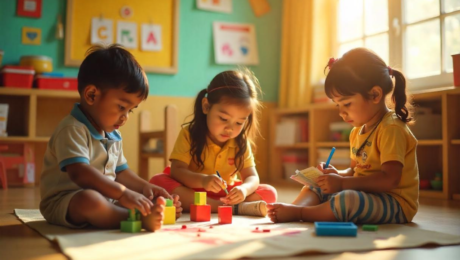
In Maria Montessori’s wise words, “Play is the work of the child.” And what better place for work to unfold than in a daycare setting that fosters exploration, imagination, and curiosity? Whether it’s a finger-paint masterpiece or a game of musical chairs, daycare activities are not just about passing the time; they are more about laying the groundwork for essential life skills.
What are some daycare activities that keep toddlers engaged and set them up for success later on? This article will explore these activities. So, let’s dive in and have a look at some of the fun and engaging daycare activities for kids.
Play-Based Indoor Daycare Activities
Here’s a list of engaging play-based indoor daycare activities ideas that foster creativity, learning, and development:
Pretend Play Stations: Set up play areas like a kitchen, grocery store, or doctor’s office where children can role-play. This activity develops social skills, imagination, empathy, and problem-solving skills in children.
Art and Craft Time: Provide paper, crayons, markers, glue, and other materials for children to create artwork and crafts. This activity enhances children’s creativity, hand-eye coordination, and color recognition skills.
Puzzle Play: Give children age-appropriate puzzles to complete, focusing on shapes, colors, and matching. This activity develops problem-solving, critical thinking, and concentration skills in children.
Storytime and Puppet Shows: Read stories aloud or use puppets to engage children in imaginative play and storytelling. It helps with language development, listening skills, and imagination in children.
Cooking and Baking Play: In India, children use pretend food items or safe cooking tools to prepare meals or bake treats in a pretend kitchen. This activity develops creativity, social skills, and fine motor skills.
Clay or Playdough Sculpting: Give children playdough or clay to mold into shapes, animals, or abstract designs. It develops fine motor skills, creativity, and sensory development in children.
Simple Science Experiments: Introduce fun and simple experiments, like mixing colors, floating objects, or making bubbles. It makes children curious, enhancing critical thinking in children.
These play-based daycare activities are designed to keep children engaged while encouraging them to develop essential skills in a fun and interactive way. The best part? They promote social interaction, creativity, and physical activity, all of which are key to a child’s growth.
Also Read: What is a Daycare Center- Types and Benefits
Daycare Outdoor Activities
Here’s a list of fun and engaging outdoor daycare activities that encourage physical activity, creativity, and social development in children:
Ball Games: Play games like soccer, catch, or kickball with soft balls or beach balls. These activities develop gross motor skills, hand-eye coordination, and team spirit in children.
Obstacle Course: Set up an outdoor obstacle course using cones, ropes, tires, and other materials for crawling, jumping, and balancing. It develops balance, coordination, and physical fitness in children.
Gardening: Let children plant flowers, herbs, or vegetables in pots or small garden beds and help care for them. This makes them environmentally aware and teach them to be responsible towards nature.
Nature Art: Collect natural items like leaves, flowers, and sticks and use them to create art projects outside. This activity helps children to enhance creativity, and motor skills.
Hide and Seek: A classic game where one child counts while the others hide, promoting physical activity and social interaction.
Benefits of Activities in Daycare
Daycare activities play a vital role in a child’s growth, offering more than just fun. Here’s how they help:
Cognitive Development: Daycare activities stimulate problem-solving, critical thinking, and creativity through games, puzzles, and storytime. They also boost language and communication skills with group interactions and reading.
Physical Development: Activities in daycare promote gross motor skills through active play like running and climbing and enhance fine motor skills with activities like drawing, building, or manipulating small objects.
Social Development: These activities teach teamwork, sharing, and conflict resolution through group activities and play. They also encourage empathy and respect as children learn to interact with peers.
Emotional Development: These activities build self-esteem and confidence with accomplishment-based activities. They also help with emotional regulation by teaching children to manage frustration and express feelings.
School Readiness: Activities in a daycare lay the foundation for academic skills such as counting, letter recognition, and early literacy. They encourage curiosity in children and develop a love for learning through exploration and discovery.
Behavioral Skills: These activities also help children learn boundaries, patience, and how to handle setbacks through structured activities.
Overall, daycare activities nurture children’s cognitive, physical, social, and emotional growth, preparing them for school and life ahead.
- Published in Best Play School
Why Creche Centres Are the Secret to Your Child’s Happy Start in Life
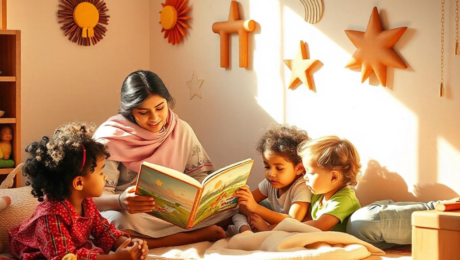
Why Creche Centres Are the Secret to Your Child’s Happy Start in Life
As a working parent, the real challenge lies in juggling work, personal life and everything in between. Finding the right childcare option in such a situation may feel like an overwhelming task. But guess what, you are not all. Thus, we have created an article on creche centers.
A creche center is not just a place where you can drop your little one off while you head to work. It is a safe haven for your child, a nurturing space where children can start to explore their world, make new friends, and engage in fun learning activities. If you still have doubts about creche centers, read this article till the end. You will come across every detail about a creche center, its benefits, cost, and how it differs from a daycare center. So let’s get started!
What is a Creche Centre and How Does it Help Parents?
A creche center is a childcare facility that temporarily cares for young children, typically infants to preschoolers, while their parents are at work or otherwise unavailable. These centers are designed to offer a safe, nurturing environment where children can play, learn, and develop social skills under the supervision of trained caregivers.
Creche centers help parents by offering:
Convenience and Flexibility: They provide parents with flexible hours of care, often offering part-time or full-time options, making it easier for working parents to balance their careers and family life.
Childcare and Early Learning: In addition to basic care, creche centers often incorporate early education programs that stimulate cognitive, social, and emotional development through play-based activities.
Peace of Mind: Knowing that their child is in a secure, supervised environment with experienced staff allows parents to focus on their work, confident that their child is being well cared for.
Overall, a creche center supports parents by providing reliable childcare while fostering early childhood development in a safe, enriching environment.
Cost of Creche Centre in India
The cost of a creche center in India can vary widely based on several factors, such as:
Location: Costs are generally higher in metropolitan cities like Delhi, Mumbai, Bangalore, and Chennai due to the higher cost of living and demand for childcare services.
Type of Facility: Premium or international creches offering advanced educational programs, better facilities, and a higher caregiver-to-child ratio tend to be more expensive than basic daycare centers.
Age of the Child: Fees may vary based on the child’s age. Younger children often require more personalized care, which can increase the cost.
Timings: Full-day care is typically more expensive than part-time or half-day services.
Creche center fees in India typically range from Rs. 2,000 to Rs. 20,000 per month. The cost of a creche center in Noida will typically range from Rs. 8,000 to Rs. 20,000 per month.
Also Read: Parenting Made Easier: The Joys of Creche Daycare!
Creche Centre vs. Daycare Centres: Basic Differences
While both creche centers and daycare centers provide childcare services, they differ in certain aspects, like age range, services offered, and structure. Here are the basic differences between creche center and daycare:
Target Age Group:
Creche Centres: Primarily cater to younger children, typically infants to preschoolers aged 0-5 years.
Daycare Centres: Generally serve a wider age range, from infants to school-age children aged 0-6+ years.
The Focus of Services:
Creche Centres: These are primarily focused on basic childcare like feeding, napping, and ensuring safety for infants and toddlers.
Daycare Centres: Daycares may offer a mix of care and early learning programs.
Duration of Care:
Creche Centres: Creches typically operate for shorter hours, often catering to working parents who need care for just a few hours during the day.
Daycare Centres: Most daycare centers offer full-day care, with flexible options for part-time, full-time, or extended hours, depending on the parent’s needs.
Curriculum and Activities:
Creche Centres: The focus is usually on basic routines such as feeding, diapering, and sleeping, especially for younger children.
Daycare Centres: Daycares often have more structured programs with a curriculum designed to help children develop language skills, motor skills, and basic academic concepts through activities like arts, crafts, games, and songs.
Costs:
Creche Centres: Typically less expensive than daycare centers due to fewer services and a focus on care rather than structured learning.
Daycare Centres: These are often more expensive because they offer extended hours, structured learning programs, and additional facilities.
Both creche centers and daycare centers offer valuable services, but the choice between them depends on your child’s age, your needs, and the level of structured education or care you’re seeking.
- Published in Best Play School
From Crayons to Curiosity: What is Early Childhood Education All About?

Ever wondered why some kids seem to learn so much faster at a young age? All the credit goes to early childhood education. Childhood is a magical time that feels like sowing seeds in a fertile garden. With proper care and nurturing, a child will be able to flourish in the future. Don’t you know what early childhood education is? In this article, we will discuss early childhood education, its importance, and ways to support it. So let’s get started.
What is Early Childhood Education? The Concept & its Importance
Early childhood education is a formal approach that focuses on holistic child development. It includes various educational programs, such as preschools, childcare centers, and home-based programs. The importance of early childhood care and education in India is enlisted below:
- Cognitive Development: Children’s early years are crucial for brain development. Research shows that 90% of brain development takes place by the age of five. ECE provides a stimulating environment that promotes language acquisition, literacy skills, and number skills.
- Social and Emotional Development: ECE helps children develop social skills such as cooperation, empathy, and communication. Through communication with their peers, they learn to express their emotions, resolve conflicts, and build relationships.
- Long-Term Benefits: Studies have consistently shown that children who participate in quality ECE programs are more likely to perform better in school, have higher graduation rates, and enjoy better career opportunities. Furthermore, they are less likely to engage in risky behaviors or experience behavioral problems. The investment in early education has long-lasting effects that extend well into adulthood.
- Preparation for Formal Education: ECE programs prepare children for the transition to primary school by developing foundational skills such as self-regulation, discipline, and a love for learning. Children who engage in ECE are often more confident and better equipped to handle the academic challenges they will face in later years.
How Can Early Childhood Education in Kids Be Supported?
Here are the following ways by which one can support early childhood education in kids:
- Encourage Play-Based Learning: Play is a fundamental component of early childhood development. It allows children to explore, experiment, and make sense of the world around them. Parents can support ECE at home by encouraging imaginative and structured play, such as building with blocks, role-playing, or engaging in creative arts like drawing and crafting. These activities stimulate cognitive development and problem-solving skills.
- Introduce Educational Materials: Providing access to age-appropriate educational materials, such as books, puzzles, and games, can enhance a child’s learning experience. Reading to children regularly, for instance, helps them develop language skills, improves vocabulary, and fosters a love for reading. Parents can also introduce early math concepts through counting games, sorting objects by color or size, and simple board games.
- Establish Routine and Structure: A well-structured daily routine helps children feel secure and understand the importance of time management. Parents can incorporate activities like storytime, creative play, and outdoor exploration into their child’s daily schedule.
- Encourage Social Interaction: Children learn critical social skills through interaction with peers and adults. Encouraging socialization in settings like playgroups, parks, or early learning centers fosters cooperation, sharing, and communication. These interactions are key to building a child’s emotional intelligence and self-regulation abilities.
- Extracurricular Activities: Programs such as music classes, art workshops, or sports camps can complement a child’s early education by fostering creativity, teamwork, and physical development. These activities not only help children discover their interests but also teach discipline, time management, and perseverance.
With that, we have come to the end of this article. We hope that we could address your queries of “what is early childhood education and its importance.” By fostering a stimulating learning environment, encouraging social and emotional development, and engaging with quality educational programs, we can give children the best start to their educational journey.
- Published in Top Play School
Must-Try Preschool Activities for Curious Minds

When it comes to children’s holistic development, there is no better way than preschool activities. From painting with tiny fingers to building with colorful blocks, every activity in preschool is an opportunity for the little ones to learn while having fun. In this article, we will learn about some interesting preschool activities that support children’s overall development and well-being. So, let’s get started!
Benefits of Preschool Activities
Preschool activities are designed in a very systematic way that targets holistic development in children. Here’s a list of benefits of preschool activities:
- Cognitive Development: Preschool activities help children build essential cognitive skills, such as problem-solving, critical thinking, and memory. Activities like puzzle games and building blocks drive cognitive development in children.
- Enhance Social Skills: Interacting with peers during group activities in preschool helps children enhance their social skills. These activities promote teamwork and help children accomplish tasks collaboratively.
- Motor Skill Development: Preschoolers are in a critical phase of physical development. Outdoor play activities, such as running, jumping, and exercising, help develop motor skills in children.
- Enhancing Creativity: Preschool activities are also designed to enhance children’s creativity. Art activities are an example of one such activity that drives creativity in children.
- Emotional Development: Preschool activities allow children to express themselves and bring out their true potential, which helps with emotional development.
- Boost Self-Confidence: Preschool activities also include rewards and recognition, which boost self-confidence in children.
- Enhance Language and Communication Skills: Children learn new words through various verbal activities like singing, storytelling, and group discussions, which helps them enhance their language and communication skills.
Types of Indoor & Outdoor Activities in Preschools
Engaging children in various indoor and outdoor activities is essential for balanced development in preschool. Look for ‘best preschool near me’ to find out preschools near your location so that children need less time for travelling and they can enjoy these activities to the fullest.
Indoor Activities
- Art & Crafts: Art and craft activities for preschoolers encourage creativity, fine motor skills, hand-eye coordination, and the ability to express emotions visually.
- Storytelling and Puppet Shows: Storytelling and puppet shows help develop language and listening skills and stimulate imagination. They also introduce children to the structure of stories, characters, and emotions.
- Dance & Music: Dance and music activities for preschoolers help children learn to follow instructions and enhance their ability to express themselves through movement.
- Building Blocks & Puzzles: Building blocks & puzzle solving activities Improves problem-solving skills, spatial awareness, and fine motor control. These activities also promote logical thinking and patience in children.
- Alphabet & Number Games: Alphabet and number games at preschool supports early literacy and numeracy by reinforcing letter recognition, phonics, and counting. These games are foundational for reading and math skills.
Outdoor Activities
- Playground Games: Playground games like hide-and-seek and hopscotch enhance gross motor skills such as running, jumping, and coordination. These games also foster teamwork, turn-taking, and problem-solving.
- Gardening: Simple gardening tasks such as planting seeds, watering plants, or observing growth. Teaches responsibility, patience, and an understanding of natural cycles.
- Nature Walks: Nature walking activities for preschoolers Develop observational skills, curiosity about the environment, and an understanding of nature. It also improves physical stamina.
- Obstacle Courses: Setting up a course with various challenges, like crawling under a table, jumping over objects, or balancing on a beam, improves coordination, balance, and motor planning. It also encourages children to take on challenges and work through them independently.
Preschool activities are essential for promoting balanced growth and development. Indoor activities enhance creativity, cognitive skills, and fine motor coordination, while outdoor activities focus on physical fitness, gross motor skills, and exploration of the environment.
FAQs:
Is preschool a commercial activity?
Yes, running a preschool is considered a commercial activity that must follow legal and licensing requirements.
How many activities a preschooler can do per day?
Ideally, preschoolers can spend about 180 minutes or 3 hours in a preschool, during which time teachers can keep them engaged in various activities.
How do we keep preschool activities fun and engaging?
Introduce different activities to children each day to keep them motivated. Incorporate one hour of physical activity every day. Also, allow children to participate in group activities.
- Published in Top Play School
Kids Daycare Centres: Where Little Minds Blossom
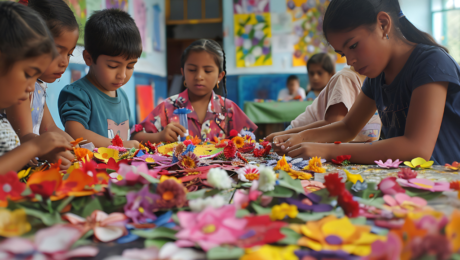
Getting enrolled in a kids’ daycare is a big step for both parents and children. While this big step involves a lot of fun and learning for children, it also becomes a reason for anxiety for parents, for they are not aware of what goes on in a kid’s daycare when they are away. A daycare for kids is a safe haven for children where they are let to be themselves, express themselves freely, and imbibe several skills through play-based learning. In this article, we will learn how daycare centers help children to achieve success in the future. So let’s get started!
How Kids Daycare Prepare Children for Future Academic Success
A good kids daycare center in Noida plays a crucial role in a child’s early development, which sets the foundation for achieving success in the future. Here’s how a daycare does it:
- Social and Emotional Development: At a daycare center, children learn to share, cooperate, and communicate effectively with others. The center also helps children understand their emotions, which drives emotional development.
- Cognitive Development: Through play-based activities, children are encouraged to think critically and solve problems. They are also introduced to a variety of languages, which helps them develop vocabulary and communication skills.
- Routine and Structure: A consistent daily routine helps children to lead a healthy lifestyle. They also learn to follow schedules and manage their time effectively.
- Curiosity and Exploration: Daycare provides opportunities for children to explore, experiment, and ask questions. This helps them develop a natural curiosity and a positive attitude towards education.
- Foundation for Future Learning: A daycare center prepares children for the transition to kindergarten by building essential skills. The experiences and skills gained in daycare can foster a love of learning that lasts a lifetime.
Key Factors to Consider When Selecting a Kids Daycare
Choosing the right daycare for your child is a crucial step. Consider these factors before enrolling your children to a daycare center:
- Quality of Care: Ensure caregivers have appropriate training and certifications. A lower ratio generally indicates better care. Additionally, check for safety features like fire alarms, security cameras, and emergency procedures.
- Curriculum and Activities: Look for a daycare that offers age-appropriate activities to stimulate learning and development. Ensure there’s ample time for unstructured play to foster creativity and social skills. Outdoor play is essential for the development of both physical and mental health.
- Environment: The daycare should be clean and well-maintained. The environment should be welcoming and safe for children. Facilities should be designed to accommodate children of different ages.
- Communication and Parent Involvement: The daycare should have open lines of communication with parents. Regular meetings can help you stay informed about your child’s progress. Look for daycares that encourage parent participation.
- Licensing and Accreditation: Ensure the appropriate government agency licenses the daycare. Accreditation (if available) indicates adherence to high standards.
- Location and Convenience: Consider the distance from your home or workplace for convenience. Type ‘kids daycare centers near me’ on google to find nearby options. If necessary, inquire about transportation options provided by the daycare.
- Cost: Compare costs with other daycares in your area. Understand the daycare’s fee structure, including any additional charges or policies.
- Reference and Reviews: Ask friends, family, or other parents for recommendations. Read reviews from other parents to know about their experiences. You can also search ‘kids daycare near me’ on google and read online reviews.
By carefully considering these factors, you can select a kids daycare that provides a safe, nurturing, and stimulating environment for your child.
FAQs:
Is daycare good for kids?
Daycare is one of the best options for kids for their early childhood education.
Can I send my kid to daycare with pneumonia?
It is advised not to send your child to a daycare center with pneumonia. It is better to be home and rest during that period.
- Published in Best Play School
Parenting Made Easier: The Joys of Creche Daycare!

If you’ve ever found yourself juggling work commitments, social obligations, and raising your little one, you’re not alone. Let’s face it: the whole ‘work-life balance’ can become overwhelming at times. Thus, we have creche daycare for your rescue. Still don’t know what creche daycare is? Read this article till the end to learn about creche daycares and learn how they can provide a nurturing environment for your child. So let’s get started!
How Creche Daycare Provides a Nurturing Environment?
Here’s how a creche daycare provides a nurturing environment for children:
- Qualified Staff: A creche and daycare have trained caregivers and educators who create a safe and supportive environment for kids. They understand the developmental needs of every child and treat them accordingly.
- Structured Activities: Enrolling in a creche daycare center allows children to follow a daily routine that includes a mix of structured activities, free play, and learning opportunities.
- Emotional Support: Caregivers in a creche foster emotional well-being by providing comfort, encouragement, and positive reinforcement. They help children navigate their feelings and build resilience.
- Safe and Welcoming Environment: Creches are designed to be safe and inviting, with age-appropriate toys, learning materials, and areas for both active play and quiet time.
- Social Interaction: In the creche, children learn to interact with peers, developing social skills like sharing, cooperation, and conflict resolution, all within a guided environment.
- Focus on Individual Needs: Staff often observe and adapt to each child’s unique interests and needs, ensuring that every child feels valued and understood.
Are Creche and Daycare Only Applicable for Working Parents?
Creche daycare isn’t exclusively for working parents, though it is often designed with their needs in mind. Many parents, whether working or not, may choose creches for the following reasons:
- Socialization: Children benefit from interacting with peers, helping them develop social skills.
- Structured Learning: Creches often provide a structured environment that promotes early learning and development.
- Parent Support: Some parents may need time for personal tasks, studies, or self-care, and creches can provide that support.
- Routine Lifestyle: A creche can help a child to establish a routine lifestyle, which can be beneficial for their development.
Ultimately, while creches are popular among working parents, they can also serve a broader range of family needs.
Things to Keep in Mind Before Sending Your Children to a Creche
Before sending your children to a creche, consider the following factors to ensure it’s the right fit for your child:
- Licensing and Accreditation: Check if the creche is licensed and meets local regulations. Accreditation from reputable organizations can also indicate quality.
- Staff Qualifications: Check the caregivers’ qualifications and experience. Professionally trained staff are required for providing a safe and nurturing environment inside the creche.
- Curriculum and Activities: Review the curriculum to ensure it aligns with your child’s developmental needs and includes a balance of play, learning, and socialization.
- Safety Measures: Search for ‘creche daycare near me’ and assess the safety protocols in place, including childproofing, emergency procedures, and staff-to-child ratios.
- Environment: Search for ‘creche and daycare near me’, and visit the facility to observe the space. It should be clean, welcoming, and equipped with age-appropriate toys and materials.
- Parent Communication: Inquire about how the creche communicates with parents. Regular updates and open lines of communication are important for building trust.
- Reviews and Recommendations: Seek feedback from other parents. Personal recommendations and online reviews can provide valuable insights about the reality of the creche.
- Flexibility: Consider the creche’s hours and policies regarding absences, holidays, and emergencies to ensure they fit your family’s schedule.
Taking the time to assess these aspects can help you choose a creche daycare that supports your child’s growth and provides peace of mind for you as a parent.
- Published in Best Play School
From Playtime to Naptime: Finding the Best Baby Daycare Centers Near Me

No wonder why we see so many people asking, “How to find a good baby daycare near me?”. Searching for the best daycare center for your little one is as challenging as finding a needle in a haystack. In this article, we will dive deep into the factors necessary to consider while looking for a baby daycare center. Read this article till the end, as it can rescue you from the struggles of finding the best-suited daycare center for your little one.
Key Factors to Consider While Selecting a Baby Daycare Centre Near Me
Selecting a good daycare centre for your baby is quite challenging, and that is quite evident from the number of queries we receive asking, “How can I find the best daycare for babies near me”. In this segment, let us look at some factors that you must consider when selecting a daycare centre for your baby.
- Licensing and Accreditation: Make sure that the daycare centre is licensed by local or state authorities and it meets regulatory standards. In addition, if a recognized organization accredits the daycare, it gets a brownie point.
- Safety and Cleanliness: Make sure that the daycare center is clean, well-maintained, and secured. Look for childproof measures, safe toys, and a clean environment for your baby. Also, make a note if there are proper health, safety, and emergency protocols within the premises.
- Staff Qualifications: This is another important factor to check. Make sure to verify the qualifications and experience of the staff. They must have relevant experience and qualifications in early childhood education.
- Curriculum and Activities: Review the educational programs and daily activities offered. A good daycare must provide a balanced and structured curriculum, including dedicated time for sleep and play.
- Location and Convenience: Consider the proximity of the daycare to your home or workplace. A conveniently located daycare can make it easy for you to pick up and drop off your baby, reducing traveling time and physical strain.
- Cost and Payment Policies: There are various queries on the internet asking “baby daycare near me prices.” It’s important to understand the fees and payment structure when looking for a daycare for your baby. Compare the cost of all daycares in your area and choose accordingly.
- Health and Nutrition: Make sure to check the food quality and nutritional standards at the daycare if meals or snacks are provided. Make sure to inform them in advance if your baby is allergic to any food item.
Activities For Babies in Daycare Centres
The curriculum and activities for babies at daycare centres are designed in a way to support early childhood education. Here’s a list of activities that are designed at Little Scholar for the little ones:
- Sensory play using textured toys.
- Motor skill development is achieved through activities like tummy time, crawling races, and safe climbing.
- Storytime through reading story books.
- Music and dance are achieved through listening to and singing songs, along with performing simple dance moves.
- Art and craft activities like finger painting or creating collages.
- Social interaction is achieved by interacting with peers and being involved in group activities.
- Outdoor activities like field trips.
- Physical stimulation through simple physical exercises.
- Imaginative play, like pretend kitchen games, helps children in their cognitive development.
- Language activities such as talking to babies and engaging them in conversations can help them enhance their language skills.
As we come to the end of this article, we hope that your queries related to “how to find the best baby daycare centre near me” were addressed. We believe that the pointers mentioned above will make it easier for you to look for a daycare centre for your little one.
- Published in Best Play School
Discover the Top Benefits of Enrolling Your Child in a Day Boarding School in Noida

Are you looking for the perfect institution where academics are blended with extracurricular activities to bring out the true potential of your child? Well, the day boarding school in Noida is here to meet your demands.
A day boarding school is a hybrid model where your child can enjoy the extensive facilities and engaging programs of a full-time boarding school without an overnight stay. In addition to that, day boarding schools also offer various perks. Read this article till the end to know them all.
Benefits of Enrolling Your Child at Day Boarding School in Noida
Enrolling your child in the best day boarding school in Noida has several benefits. Let’s check them out!
- Disciplined Lifestyle: A well-structured educational approach in day boarding school allows students to learn discipline and maintain a balanced routine in life. They also learn to manage their time effectively through this practice.
- Comprehensive Education: Day boarding schools in Noida offer an all-rounder education with proper emphasis on both academics and extracurricular activities. It allows students to discover their potential and identify their true passion. Students also have access to a world-class infrastructure at day boarding schools.
- Extended Learning Time: Extending learning hours at day boarding schools allows them to focus completely on their education and skill enhancement. The best part is students can spend the entire day on academics as well as on extracurricular activities and go home on the same day.
- Social Development: Students coming from various cultural backgrounds in day boarding schools allow students to get exposure to various cultures. Students also participate in group activities and collaborative projects to develop team spirit.
- Parental Involvement: When compared with boarding schools, parents can become more involved in their child’s education when they admit them to a day boarding school.
- Safety and Supervision: The top day boarding school in Noida provides a safe and supervised environment during school hours, which can be reassuring for parents. The extended school hours ensure that children are in a controlled environment rather than spending time alone at home.
- Convenience: For people living in or near Noida, day boarding schools offer the convenience of not having to commute a long distance. Students can benefit from the facilities and programs of a boarding school yet come back home at night.
- Holistic Development: Day boarding schools often focus on the overall development of a child, including physical fitness, creative expression, and emotional well-being. They provide a platform for children to explore their interests and talents in a structured setting.
- Community Building: Attending a day boarding school allows students to build relationships with a diverse group of peers, which can be beneficial for building a community and long-lasting friendships.
Extracurricular Activities in a Day Boarding School in Noida
Apart from academics, day boarding schools in Noida also focus on various extracurricular activities to promote holistic development in children. Here’s a list of all the extracurricular activities done in Little Scholar:
- Sports and physical activities like games and swimming.
- Art and crafts.
- Field trips and excursions.
- Culinary arts.
- Community service and social responsibility.
- Health and wellness like aerobics and martial arts.
With that, we have arrived at the end of this article. In conclusion, it’s safe to say that enrolling your child in a day boarding school in Noida will offer a unique blend of academic rigor, comprehensive extracurricular opportunities, and a balanced lifestyle.
- Published in Best Play School